The window is short and the seat is empty.
The season does not wait for a hiring cycle. Seeding, silage and harvest pack a year's work into weeks. The machines run into the night, and an empty seat costs a crop, not a shift. Steady Eddie fills that seat on the tractor you already own, and lifts out when the window closes.
Today Steady Eddie works in Manual and Remote: one operator to one seat, from wherever that person is. Assist, Approach and Autonomous open one machine and one site at a time, when the validation for them exists. Delivery dates come in writing with the quote.
Fitting it to your farm.
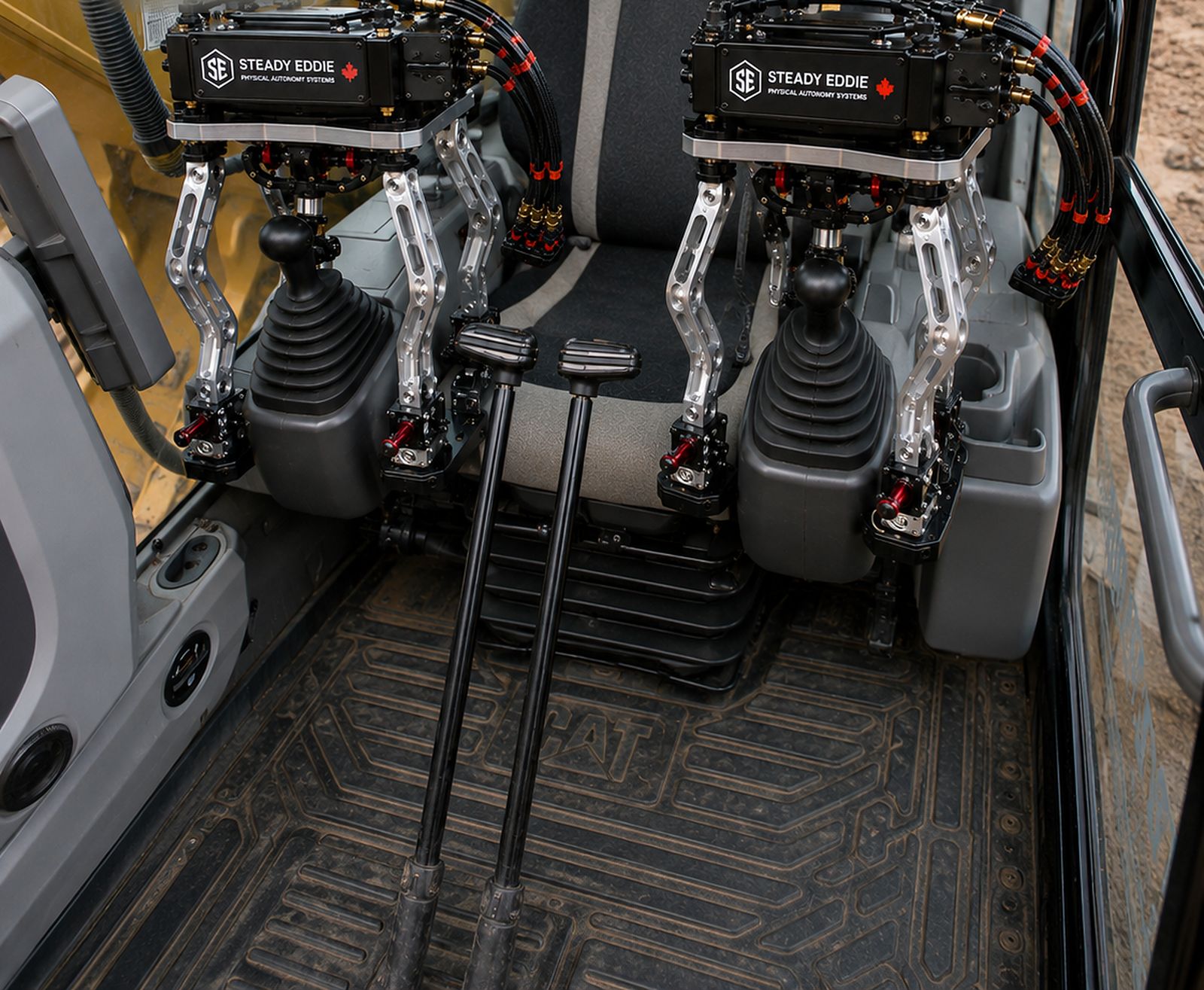
The operator
Three Steady Eddie systems, one idea. STE Integrate is the one we lead with; STE Precision and STE Air suit cabs that call for one kind of drive throughout.
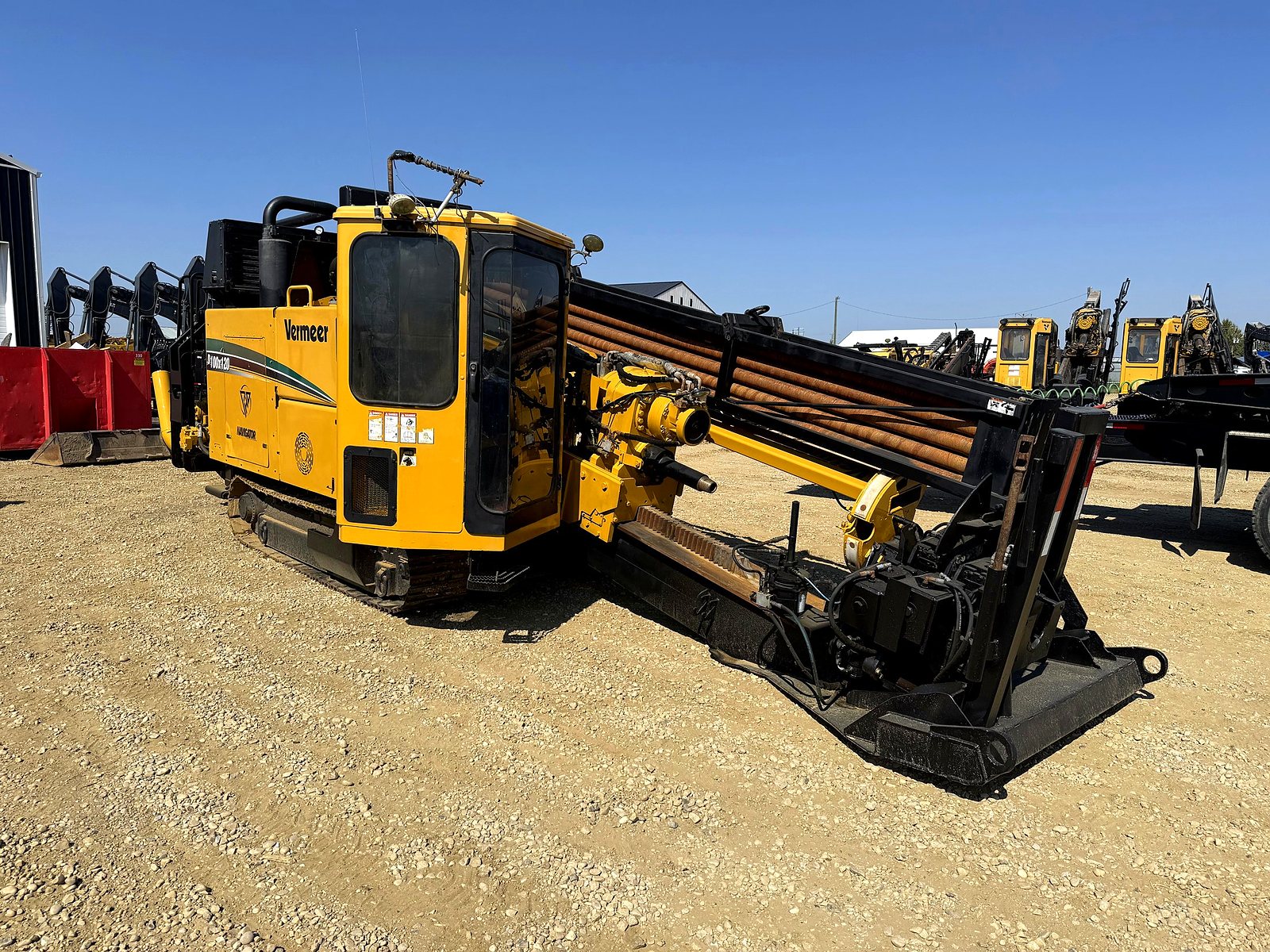
Machines
Find your machine family, see what Steady Eddie works in that cab, and learn what it takes to add yours. Fourteen of the group's own machines are on the list.
Programs
Loans, write-offs, training grants and cost-share programs for automating a machine you already own, in Canada and the US, with the date we read each.
Costs
One operator seat, added up from published Alberta figures: the wage, the machine standing still, the hours nobody could fill. Then a calculator for your numbers.
A field is the closest thing farming has to a controlled site.
A field on private land, worked pass after pass for days with nobody inside the fence but your own crew, gives Eddie the conditions it needs. The field's edge bounds the task, the pass repeats, and the public is not there.
The road between fields does not, so Eddie does not go there. Road transport, and anything a member of the public could walk into, is work we turn down before the first visit.
Eddie is a helping hand: it works the tools, and it does not decide. It drives and works the machine on the ground the job needs. A person starts every machine, every session, and can take Eddie's control away with one hand. Who is in charge, and the three ways to stop it, are on the safety page.
The crop sets the clock.
A day without an operator is a day of the seeding window gone.
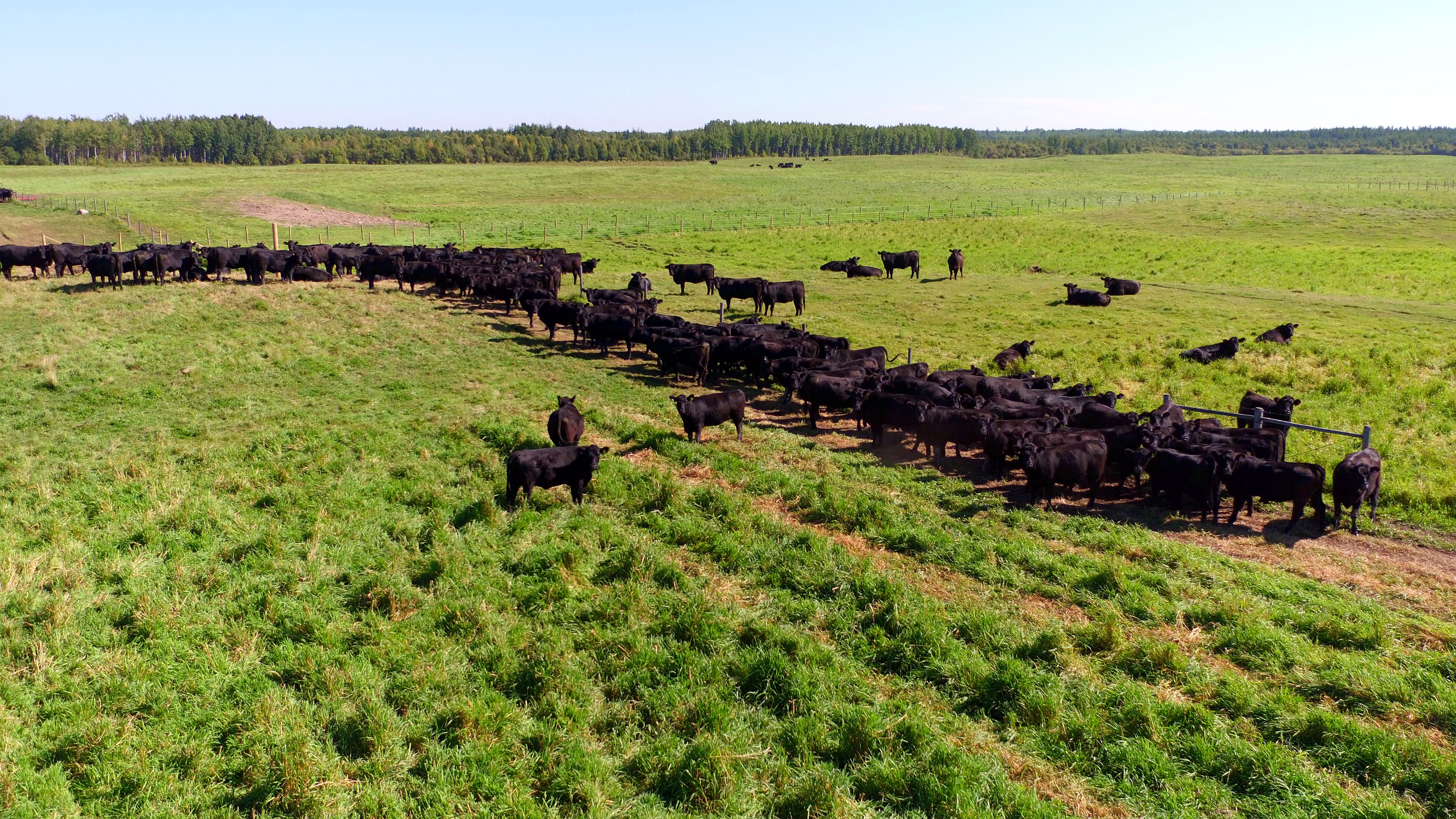
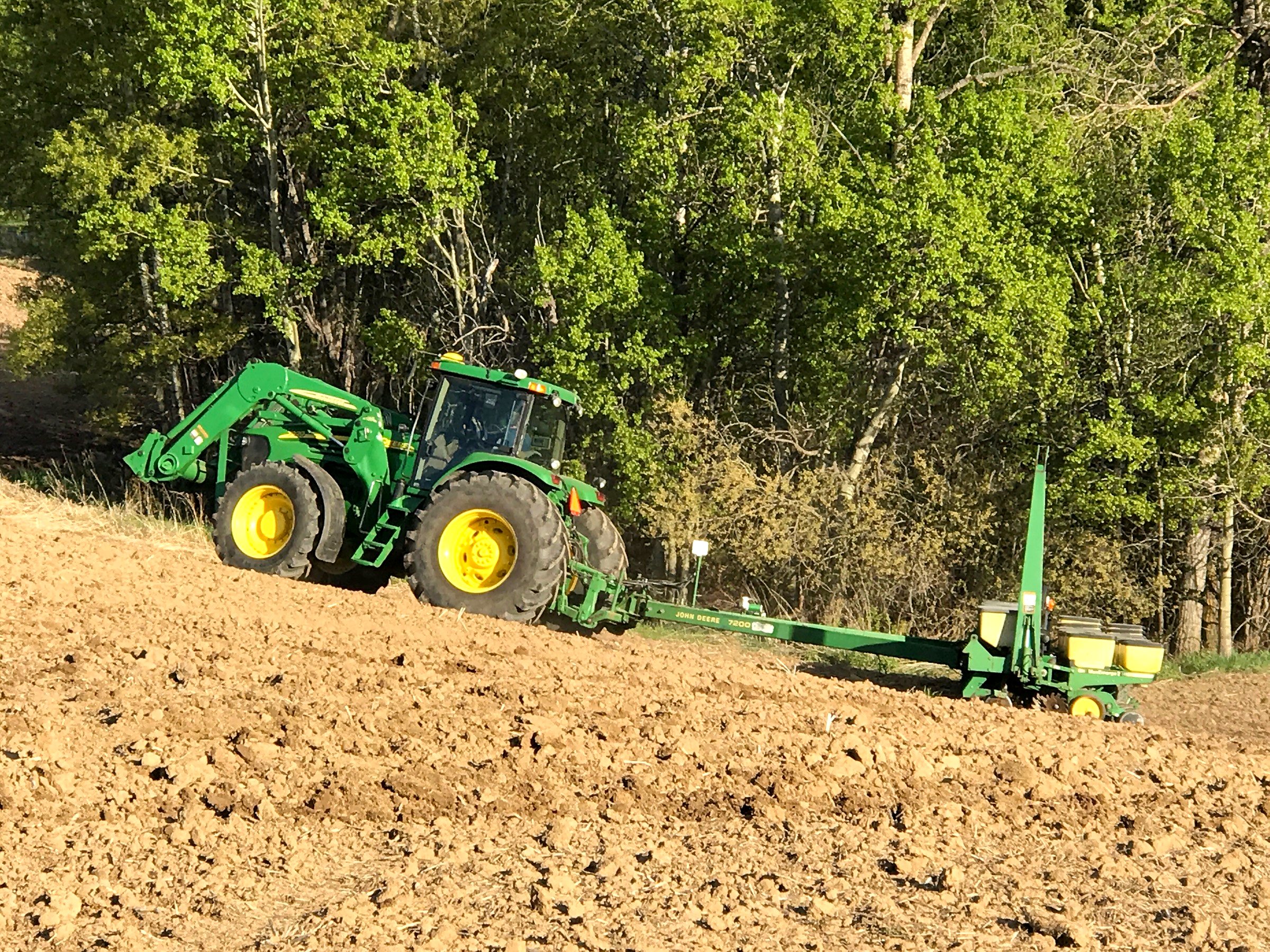
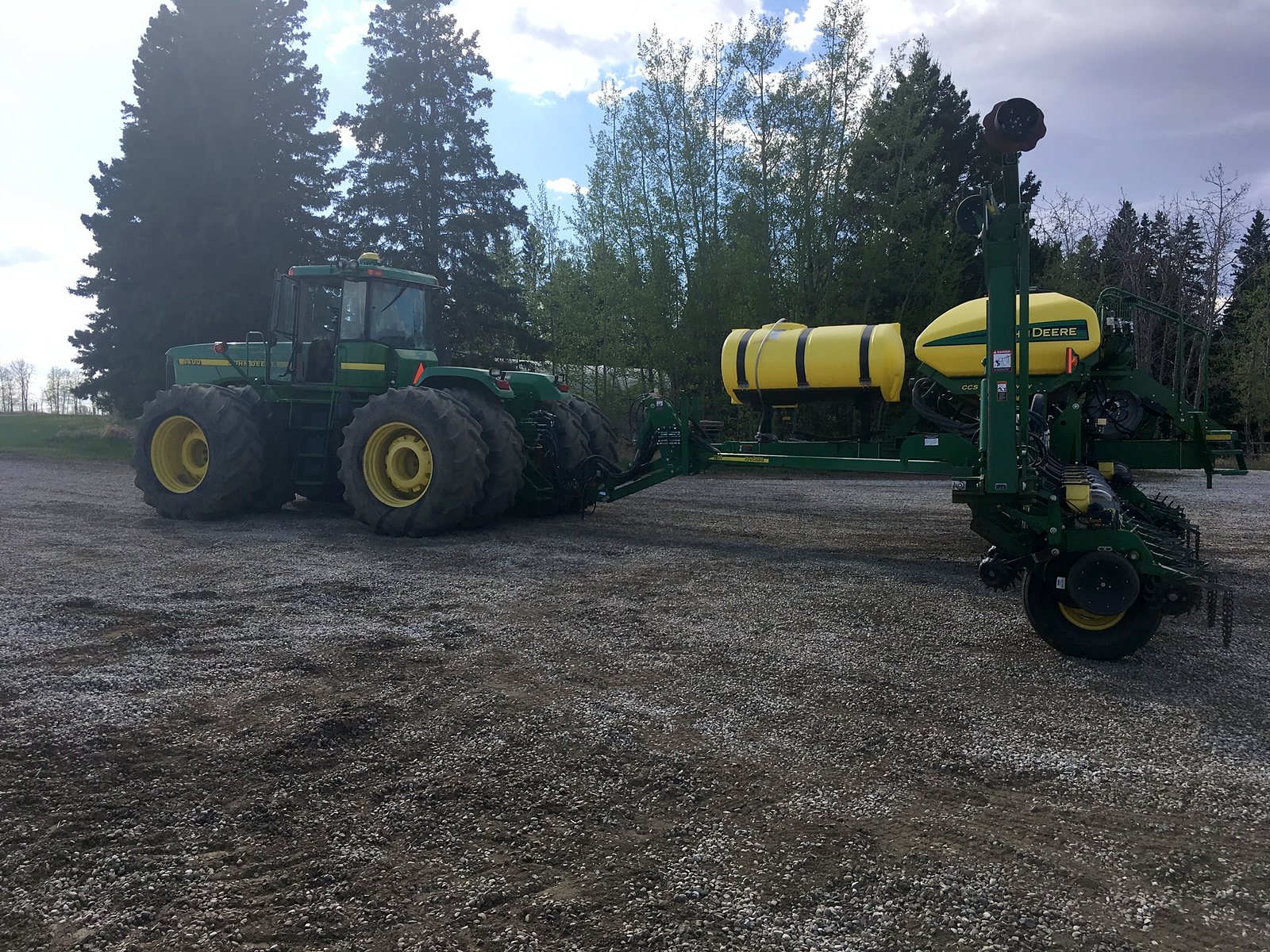
On our own land the window opens when the ground firms up and closes when the rain comes. The tractor and the air seeder run from first light until the dew comes down.
It is the same pass, field after field, on ground nobody else is on. The person who started the tractor stays on the field and Eddie works the controls.
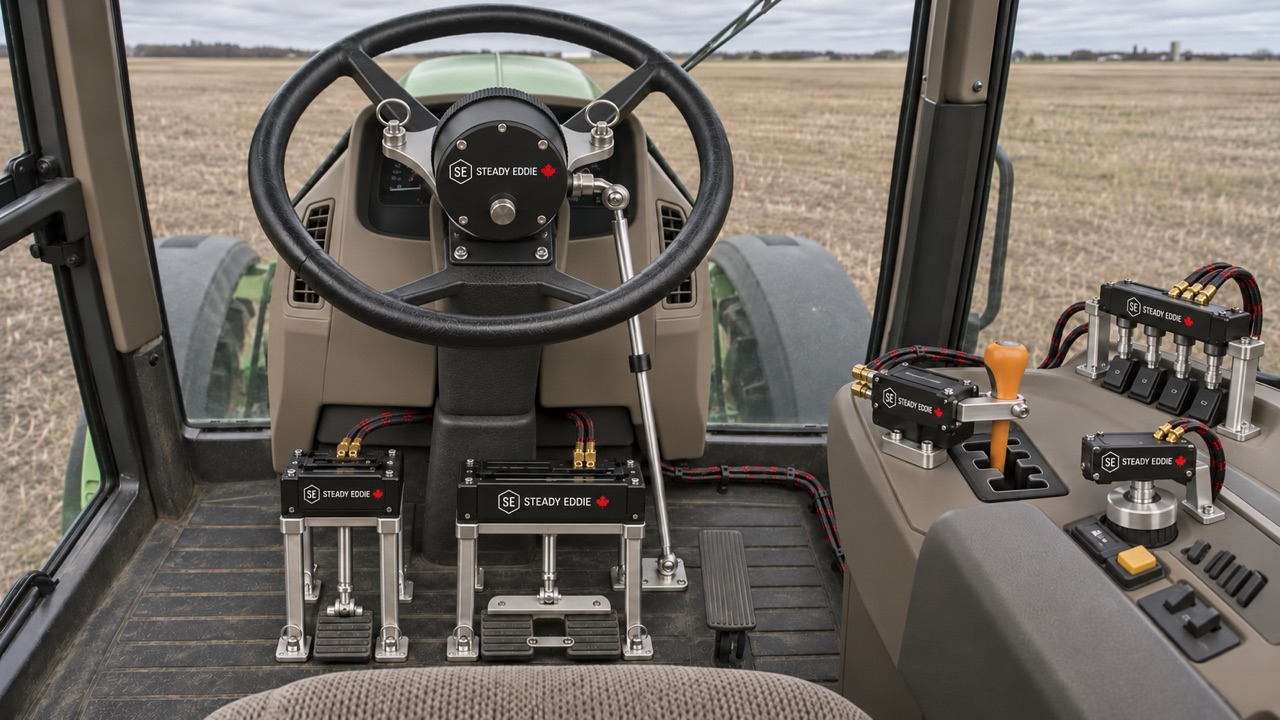
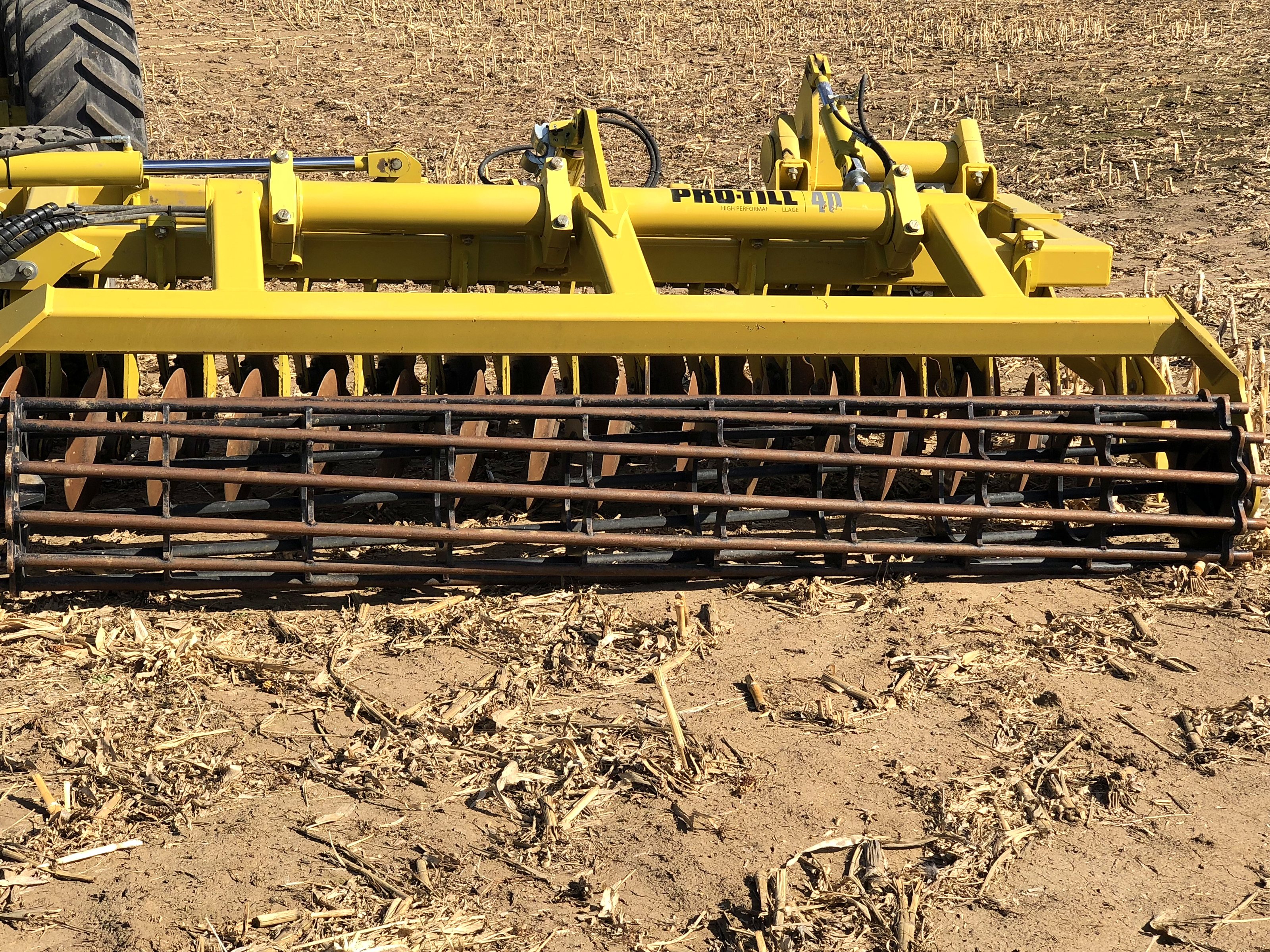
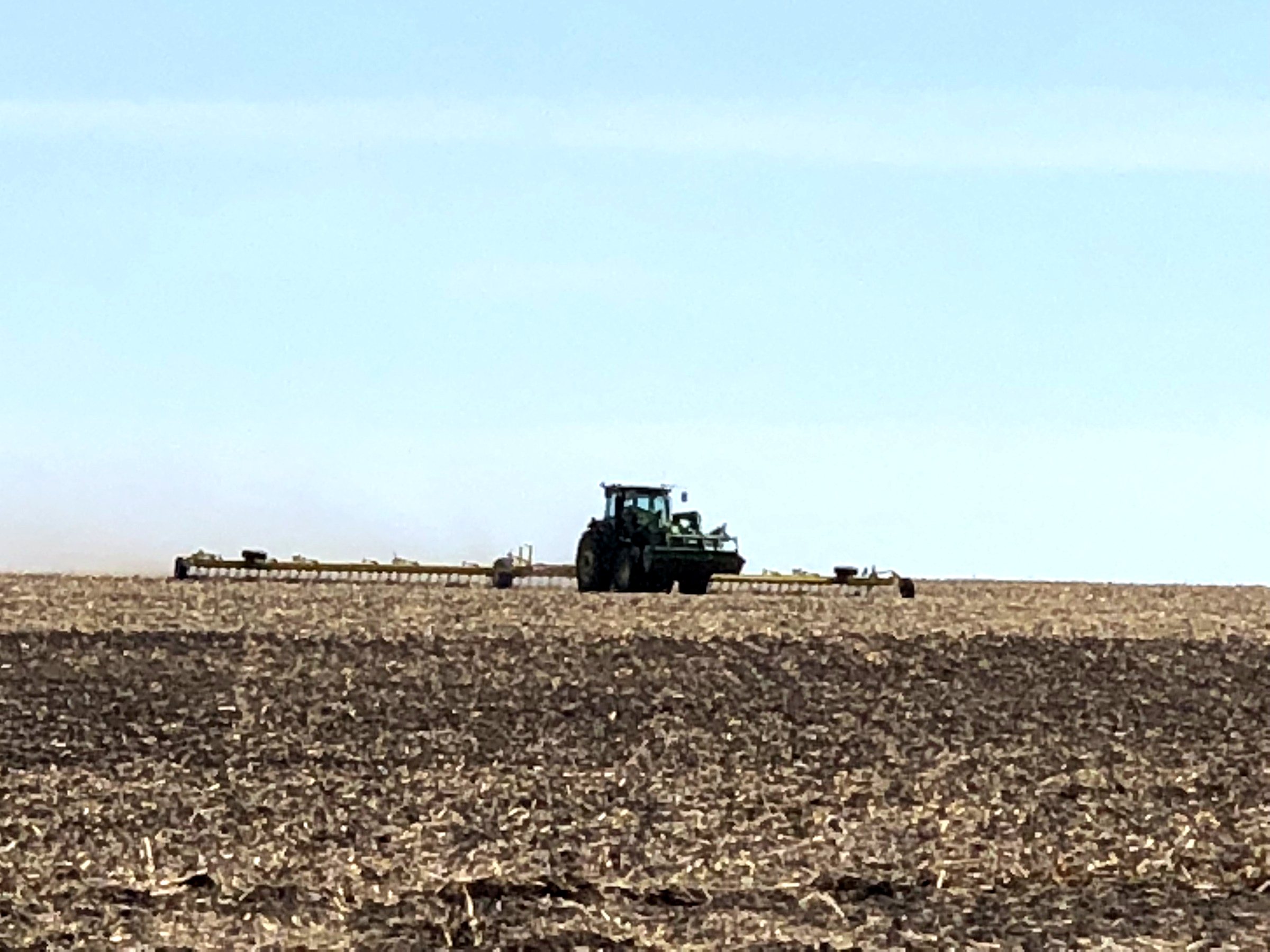
Two tractors and a combine are among our fourteen machines.
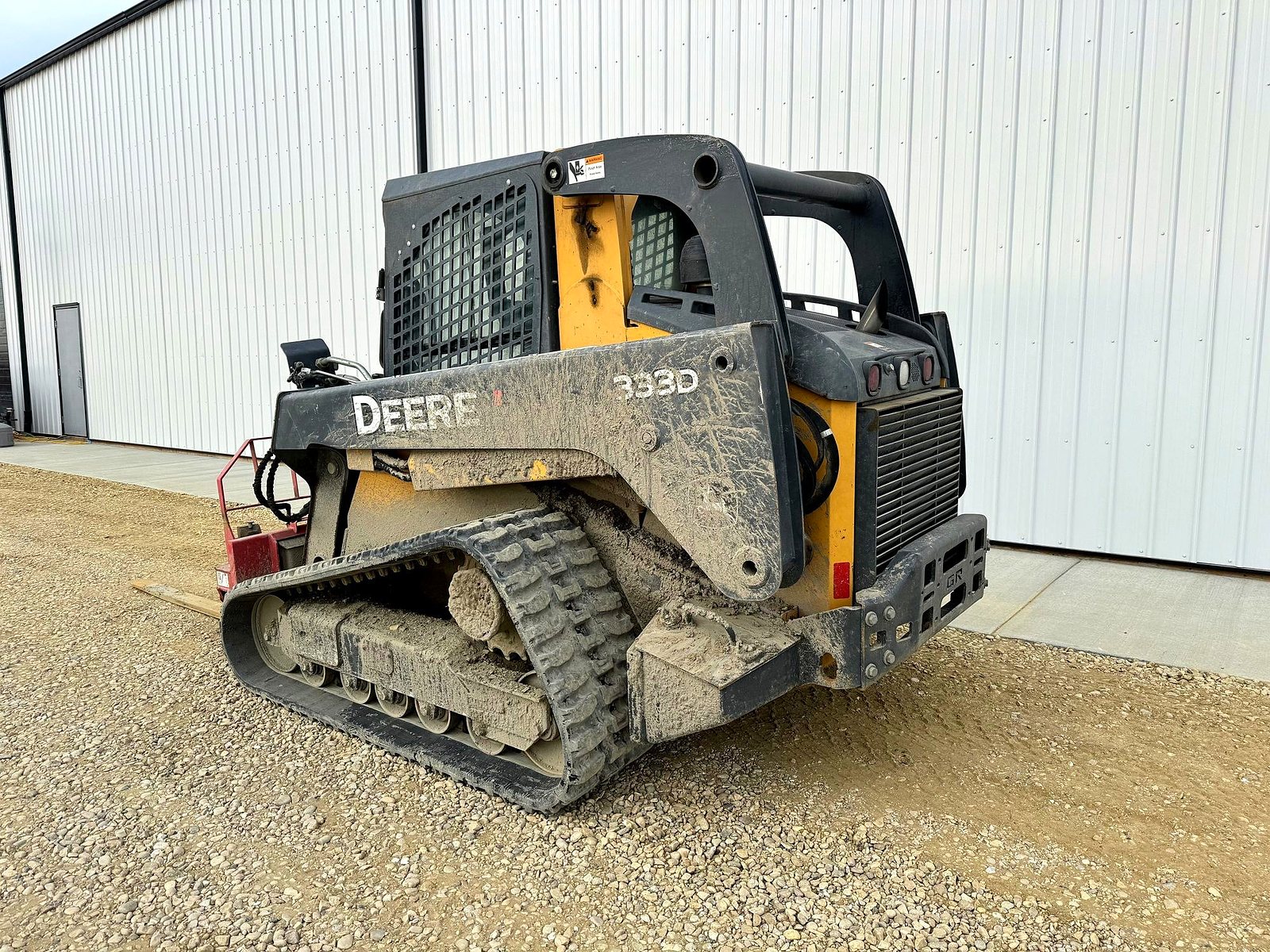
Two tractors and a combine run at our own Test Facility in Alberta, alongside two excavators, a dozer, a skid steer, a backhoe, a telehandler, a compactor, a rock truck, a wheel loader and two directional drills. A tractor cab carries controls a construction cab does not: implement controls, hydraulic valves and a power take-off. Farm work is not an add-on to this system. The tractors and the combine are among the machines it is built on.
What Eddie works on a farm.
- Tractors. Steering, pedals, implement controls, hydraulic valves and the power take-off. On our own two tractors.
- Combines. Propulsion, steering, header height and the harvest controls. On our own combine.
- Applicators and carriers. Self-propelled applicators and carriers share the tractor's layout, so we assess them on their controls, not their badge.
Silage moves as one line.
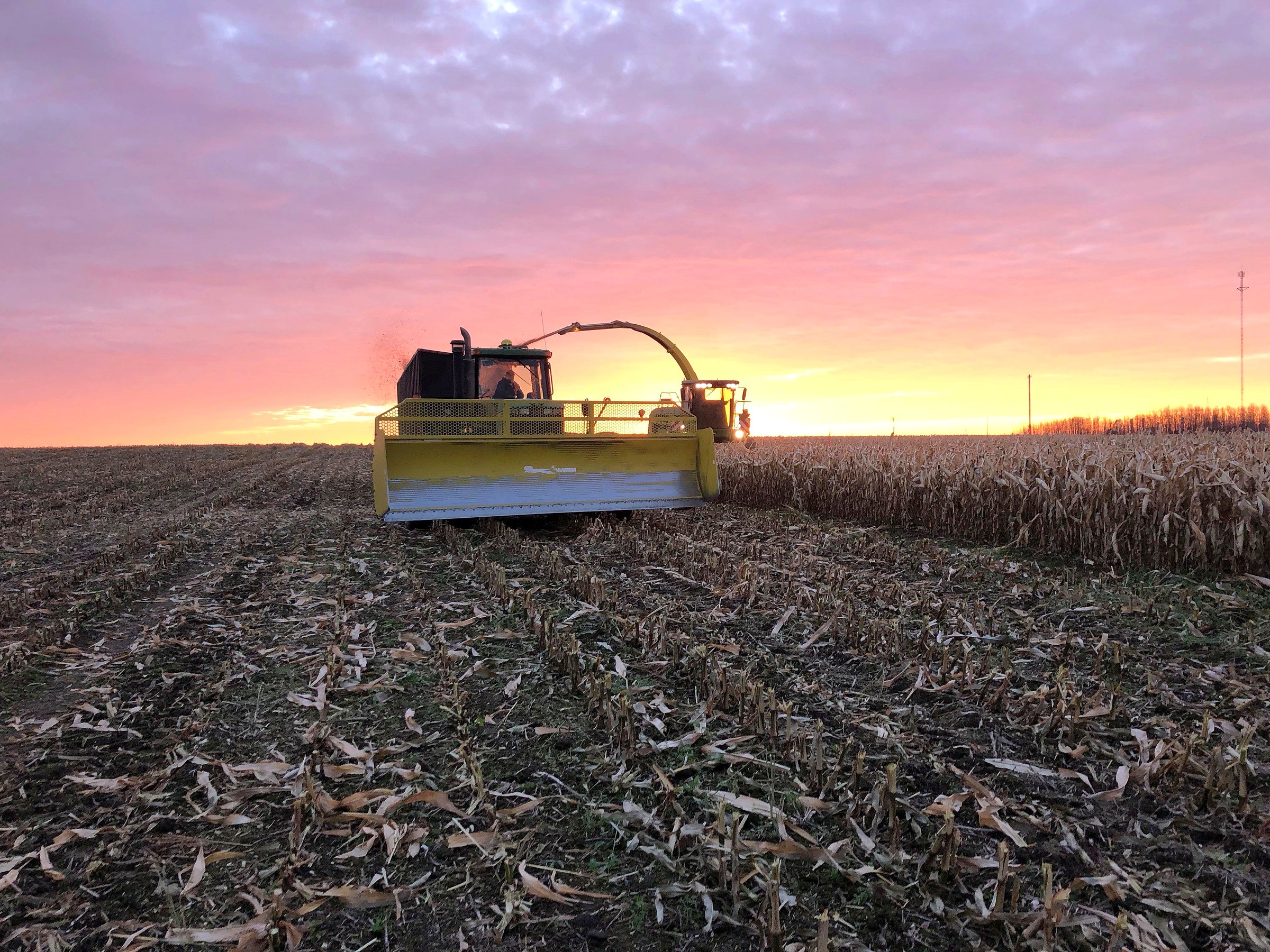
The harvester, the trailers and the packing tractor depend on each other, and when one seat is empty they all wait. Eddie fills that seat for the weeks it matters, and lifts out when the corn is in.
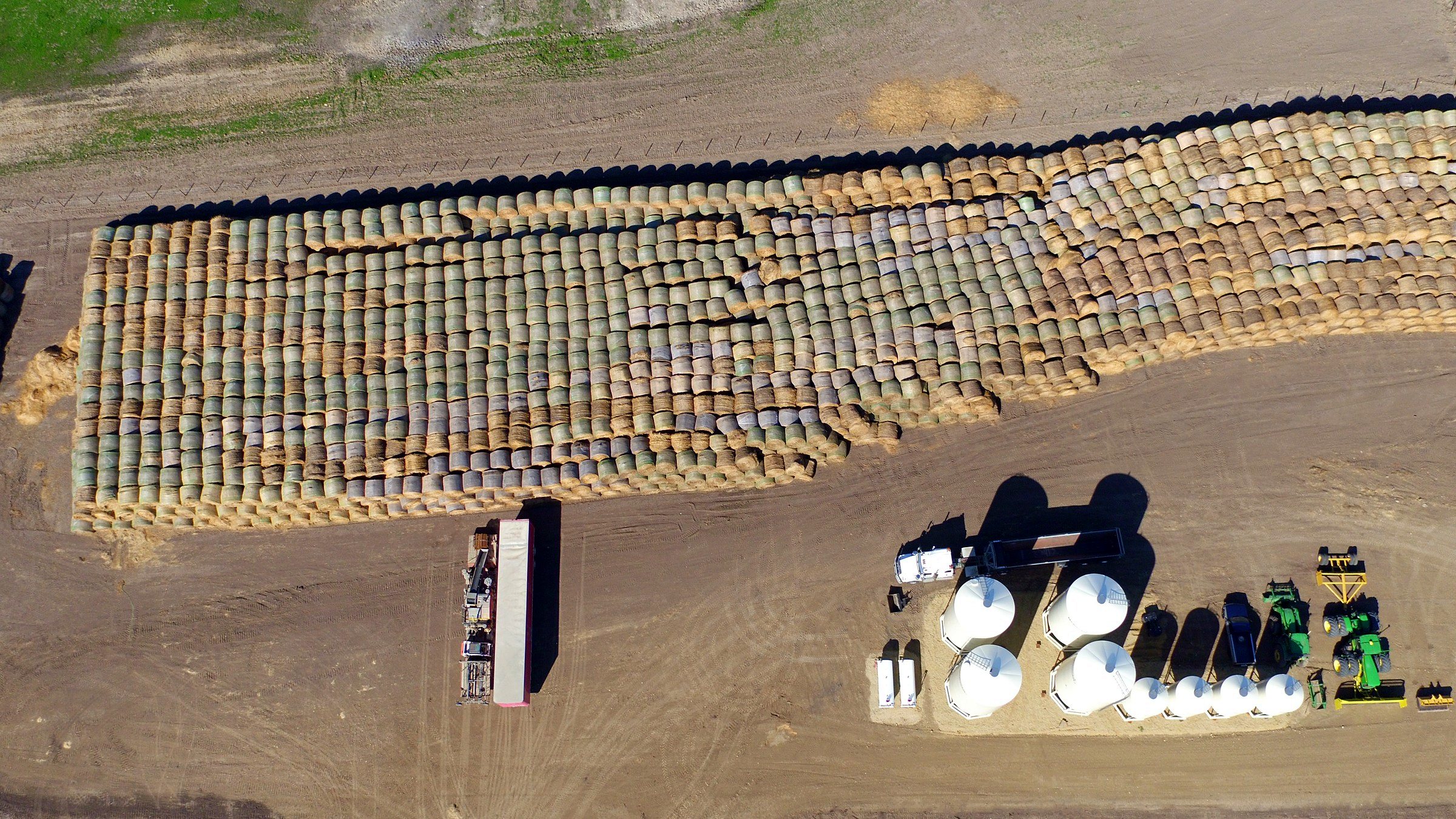
The feedlot runs on loaders, and it never stops.
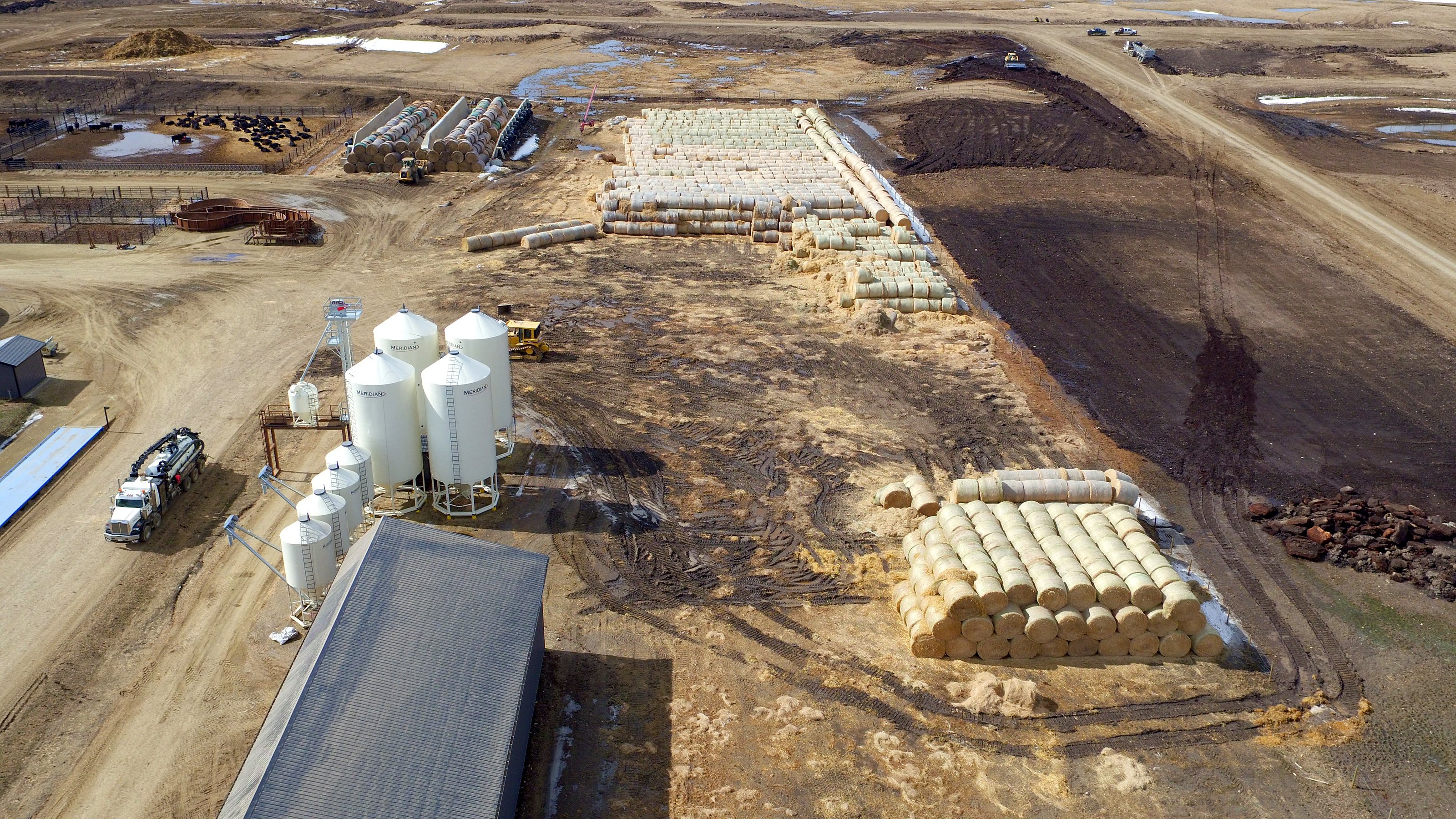
Silage comes out of the pit and goes down the bunk line every morning of the year, in any weather. The loader, the feed carrier and the skid steer run the same yard on the same cycle, on private ground with a fence around it.
It is the steadiest work on the farm and the hardest seat to keep filled, and it is where our own skid steer works.
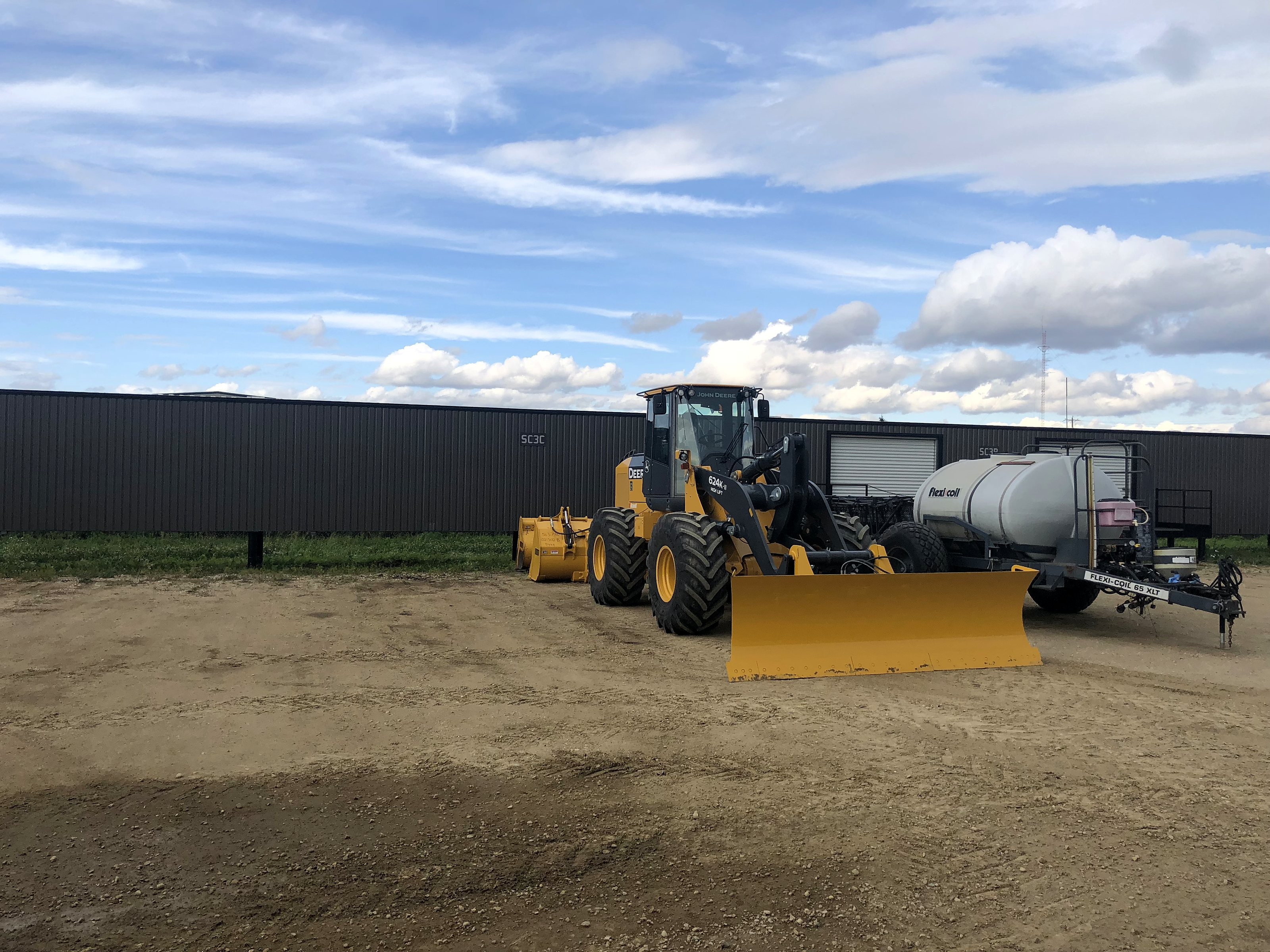
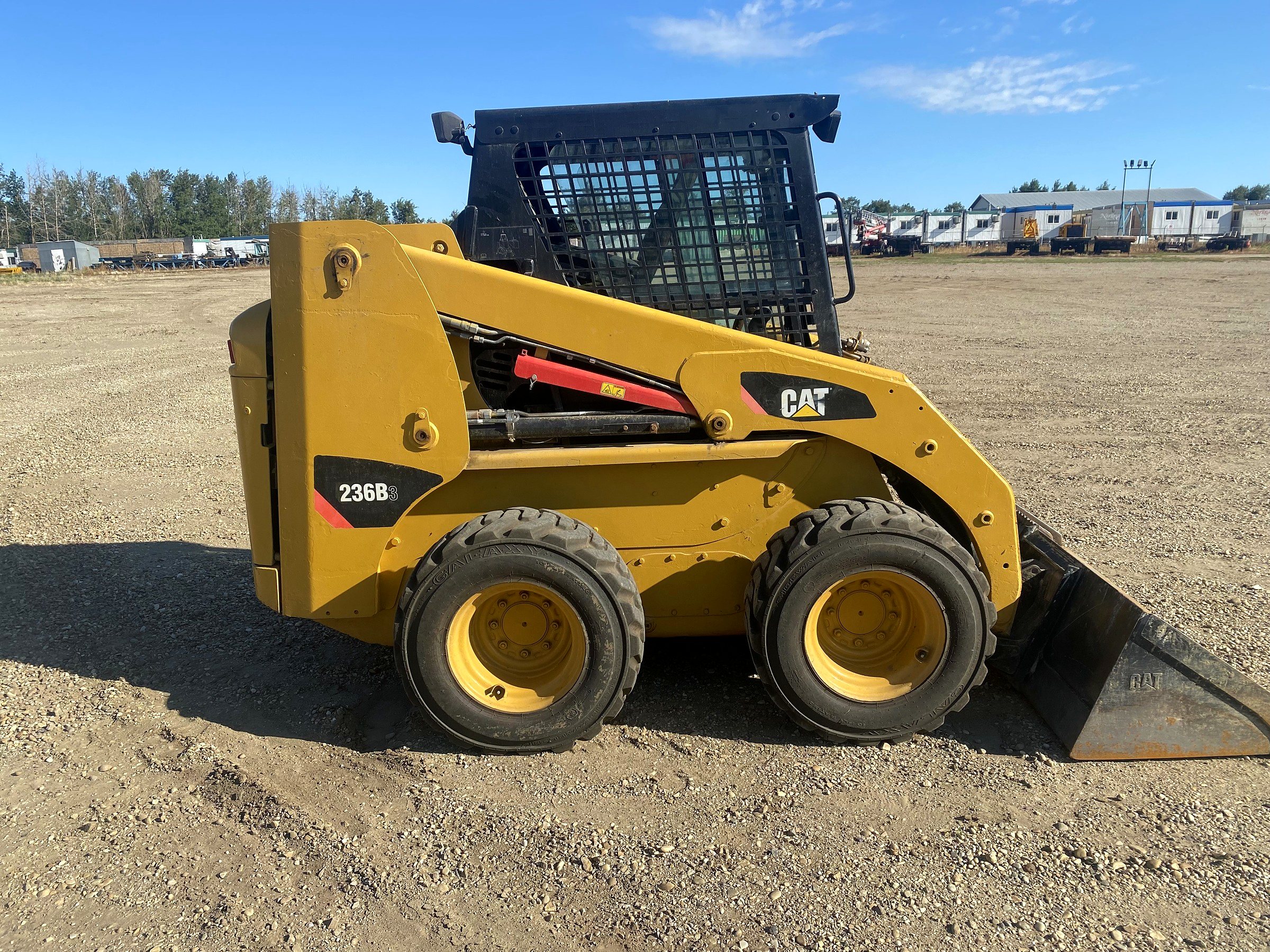
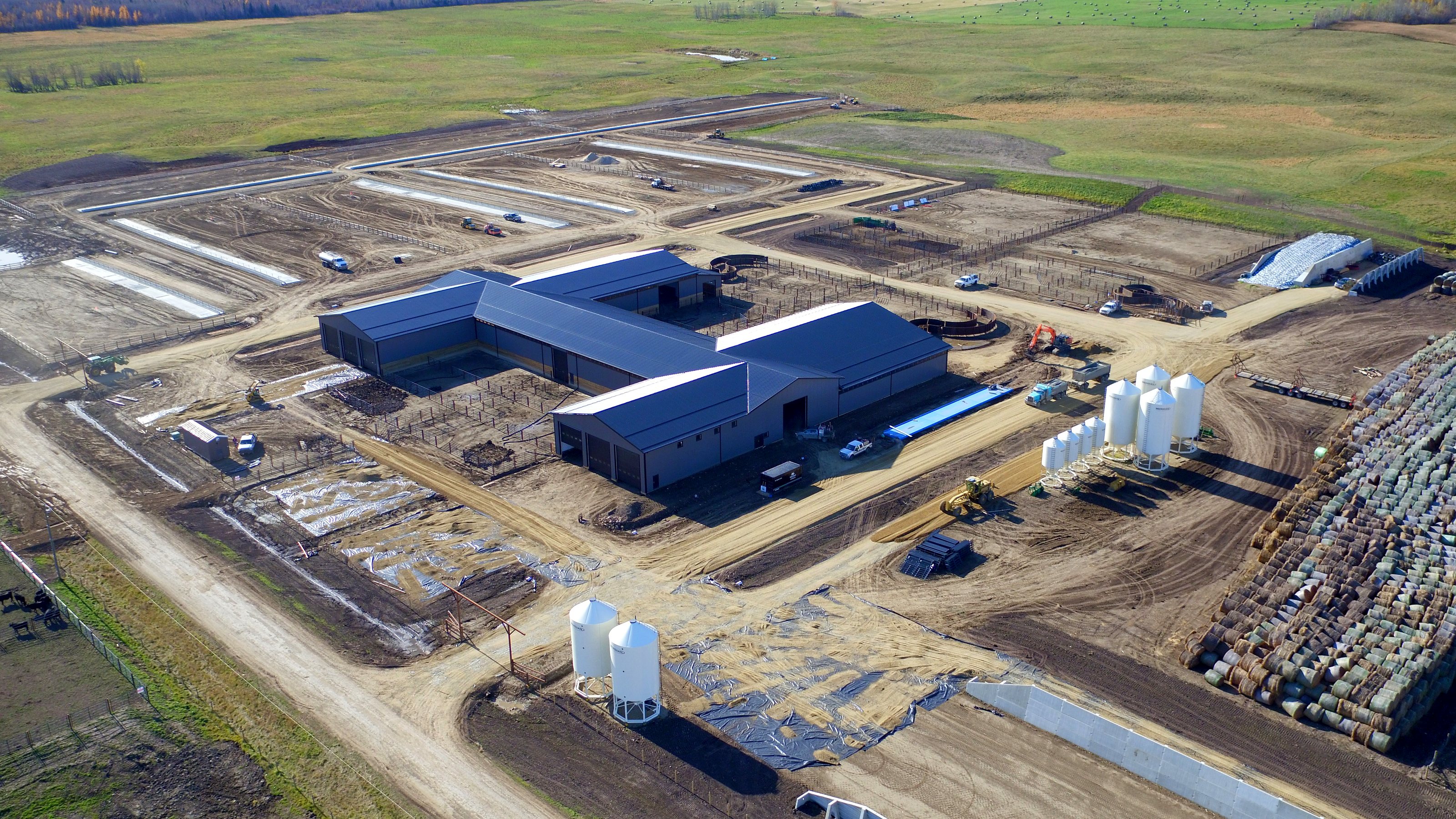
Private land, a closed yard, the same work every day.
How agricultural work scores.
| Agricultural task | Constraint | Fixed task | Private land | No public traffic | Utilization | Verdict |
|---|---|---|---|---|---|---|
| A repeated field pass on private land | In season | Yes | Yes | Yes | High in season | Where we start |
| Grain cart and haul cycles in a closed yard | Often | Yes | Yes | Yes | High in season | Strong |
| Feedlot, bunker and yard work | Often | Yes | Yes | Yes | High, all year | Strong |
| Road transport between fields | No | No | No | No | Low | Refused |
A machine that is the constraint in season and idle the rest of the year is a good case for a unit that lifts out and moves to the next machine.
Where a unit earns its place on a farm.
- A night run on a bounded field, with the person who started the machine on site.
- A dusty, hot or chemical-load station, where the value is getting a person out of the seat.
- Older tractors and carriers. They carry the simplest controls anywhere we work, and we handle them the same as a new cab.
- The day shift, unchanged. Nothing is cut or tapped, and the machine is standard again when Eddie lifts out.
Who we can help, and who we cannot.
- An operation with a hazardous or unpleasant station: dust, heat, a slope or a chemical load.
- An operation with a window it cannot staff.
- A mixed, older fleet on private land outside any OEM autonomy program.
- An operation with one machine repeating one cycle, such as a grain cart, a yard loader or a feed carrier.
- An operation that wants the first agricultural job run on its own machine, on its own land.
- Anything on a public road, including transport between fields.
- Anyone who needs a promised productivity or yield figure. We do not promise one.
- Fleets already inside an OEM autonomy program.
- Leaving Eddie fitted to a machine between jobs, or starting the machine.
If you can host that first job off-season, on private land, you are the operation we most want to hear from.
Our own land, our own machines.