Fill the seats you cannot staff, and empty the ones nobody should sit in.
Construction and earthmoving sites carry two problems at once. There are stations nobody should be sitting in, and there are excavators, dozers, loaders and rollers parked because there is no operator for them. Eddie takes both.
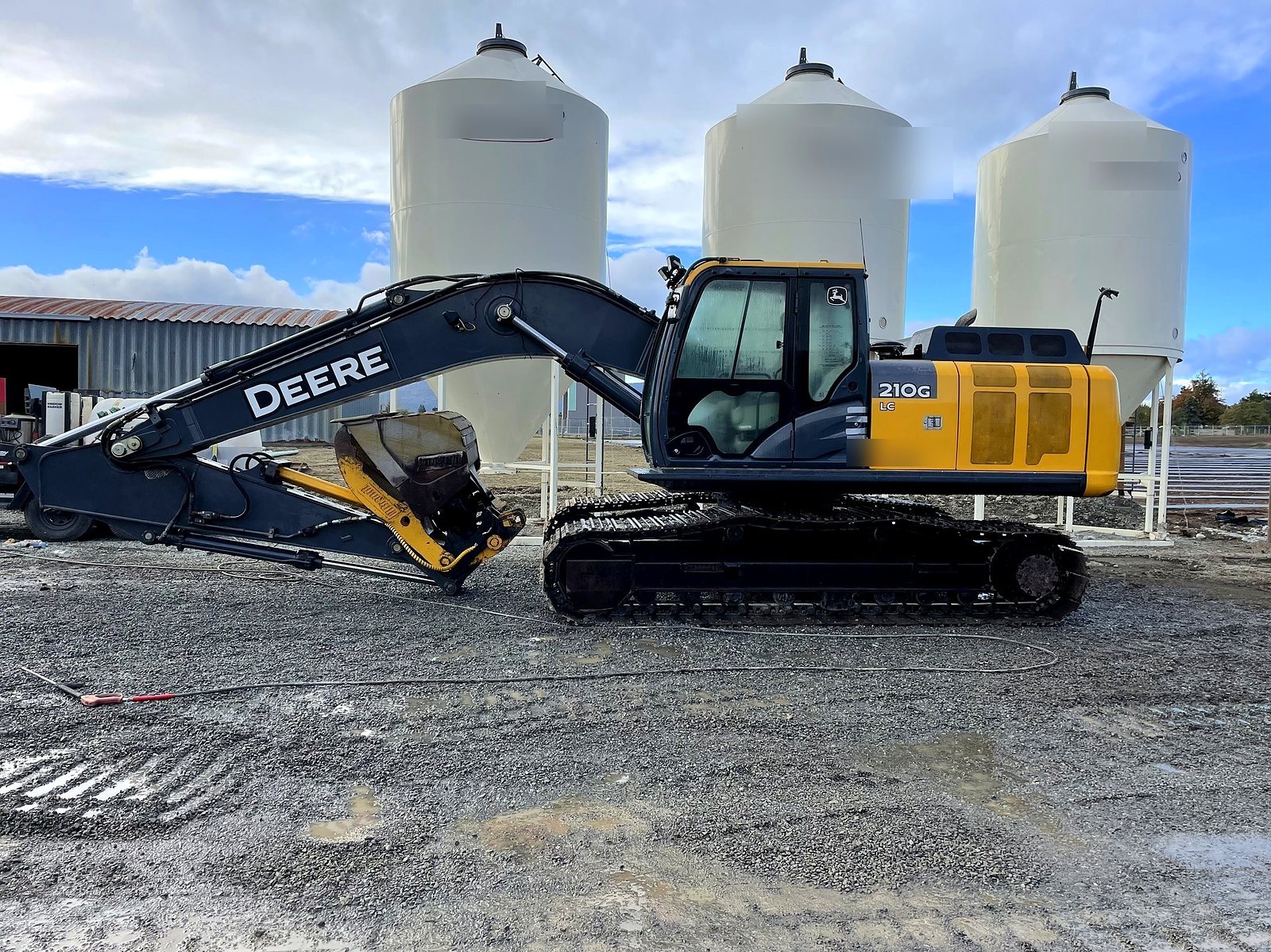
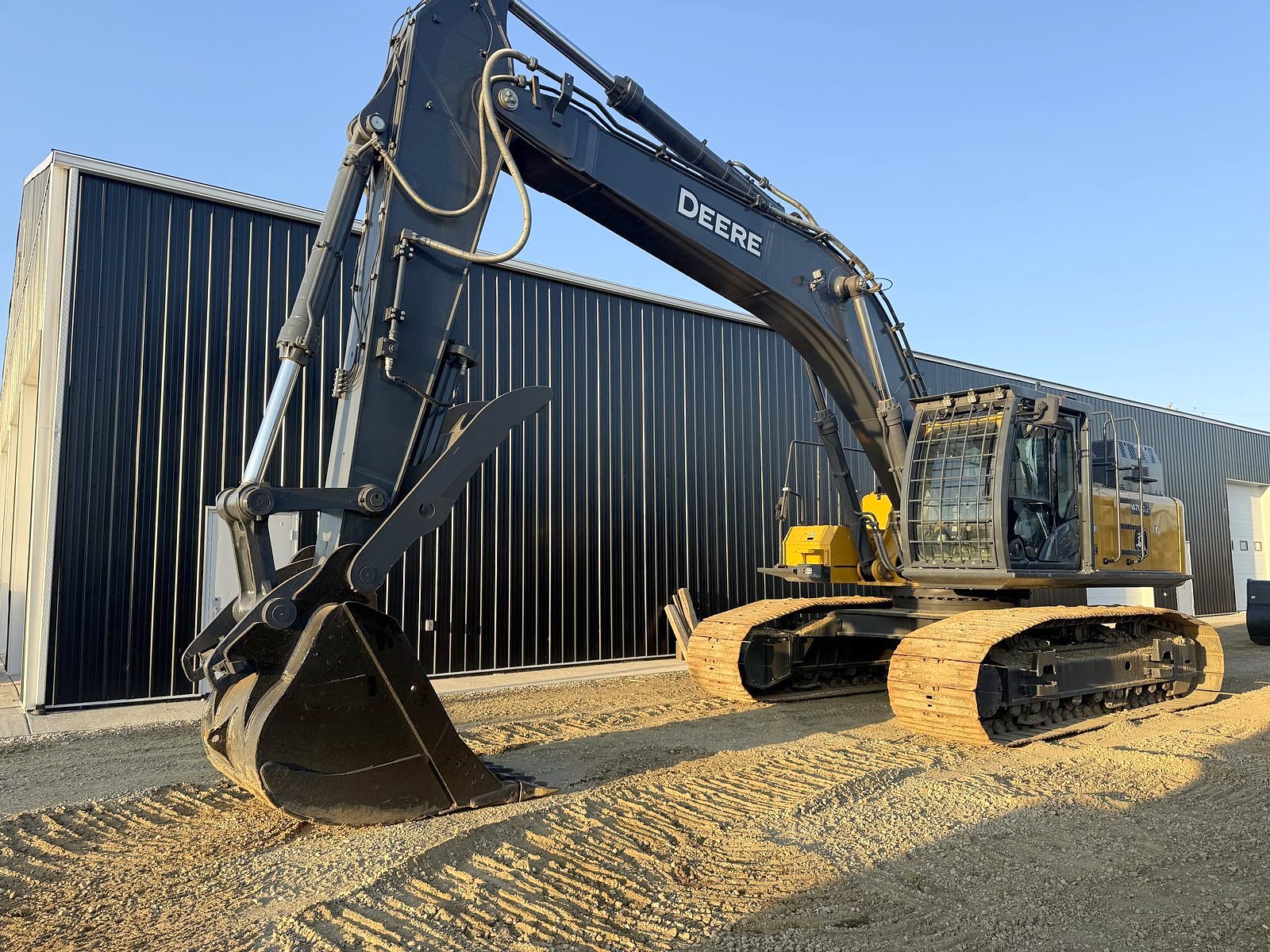
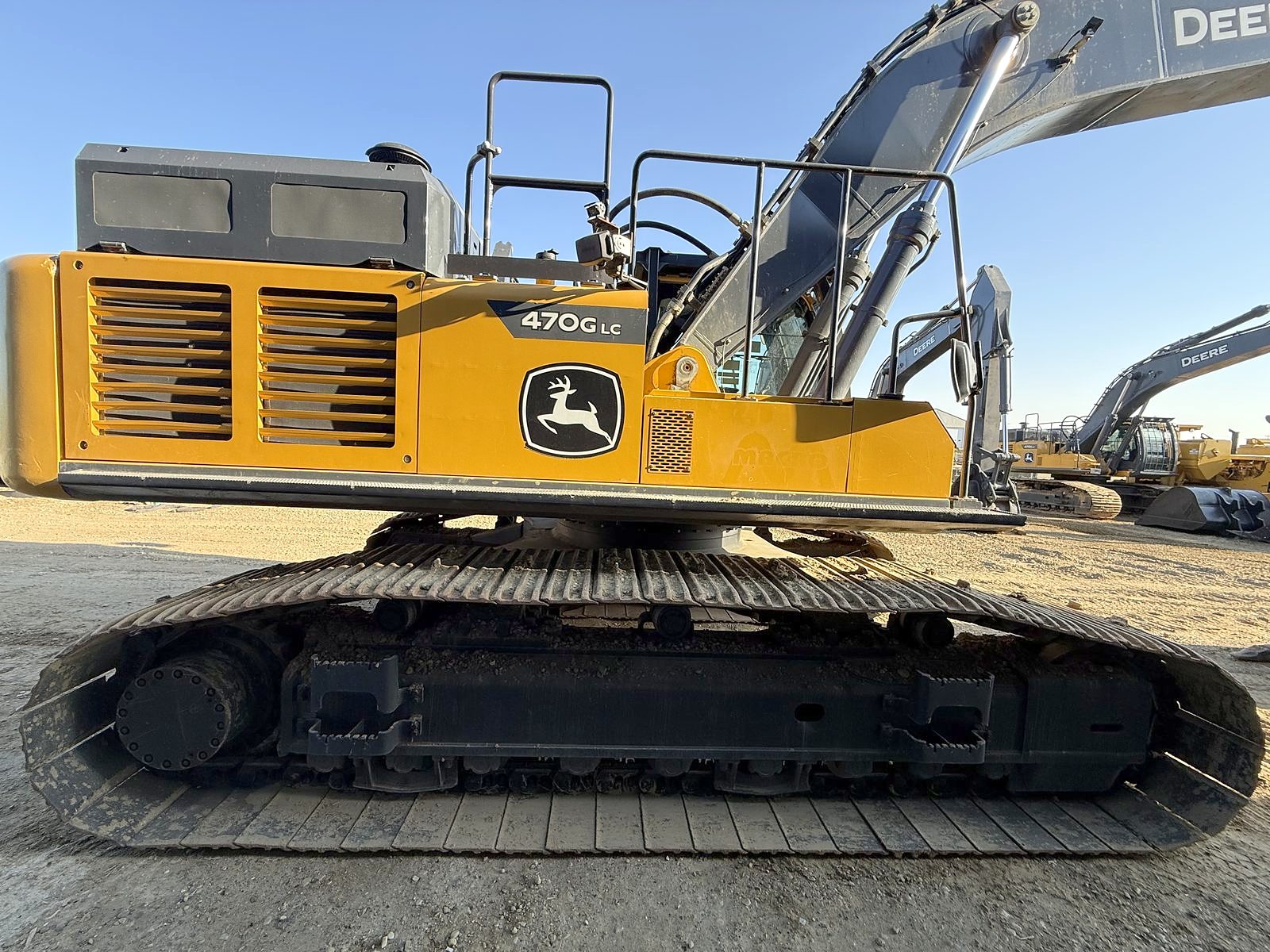
John Deere 470G LC.
A helping hand on an industrial site.
Eddie is a helping hand. It works the tools. It does not drive the machine on a road, it does not start it, and it does not decide.
A human walks around the machine, completes the pre-start inspection, starts it and clears it for operation. Only then does Eddie engage the controls: every session, every machine, no exceptions. Eddie never starts, wakes or inspects a machine.
From there Eddie works the machine's own controls, inside the rules your site has already written down, and anyone can take its control away with one hand. When the work is finished the unit lifts out and an operator climbs back in.
What Eddie works on an industrial site.
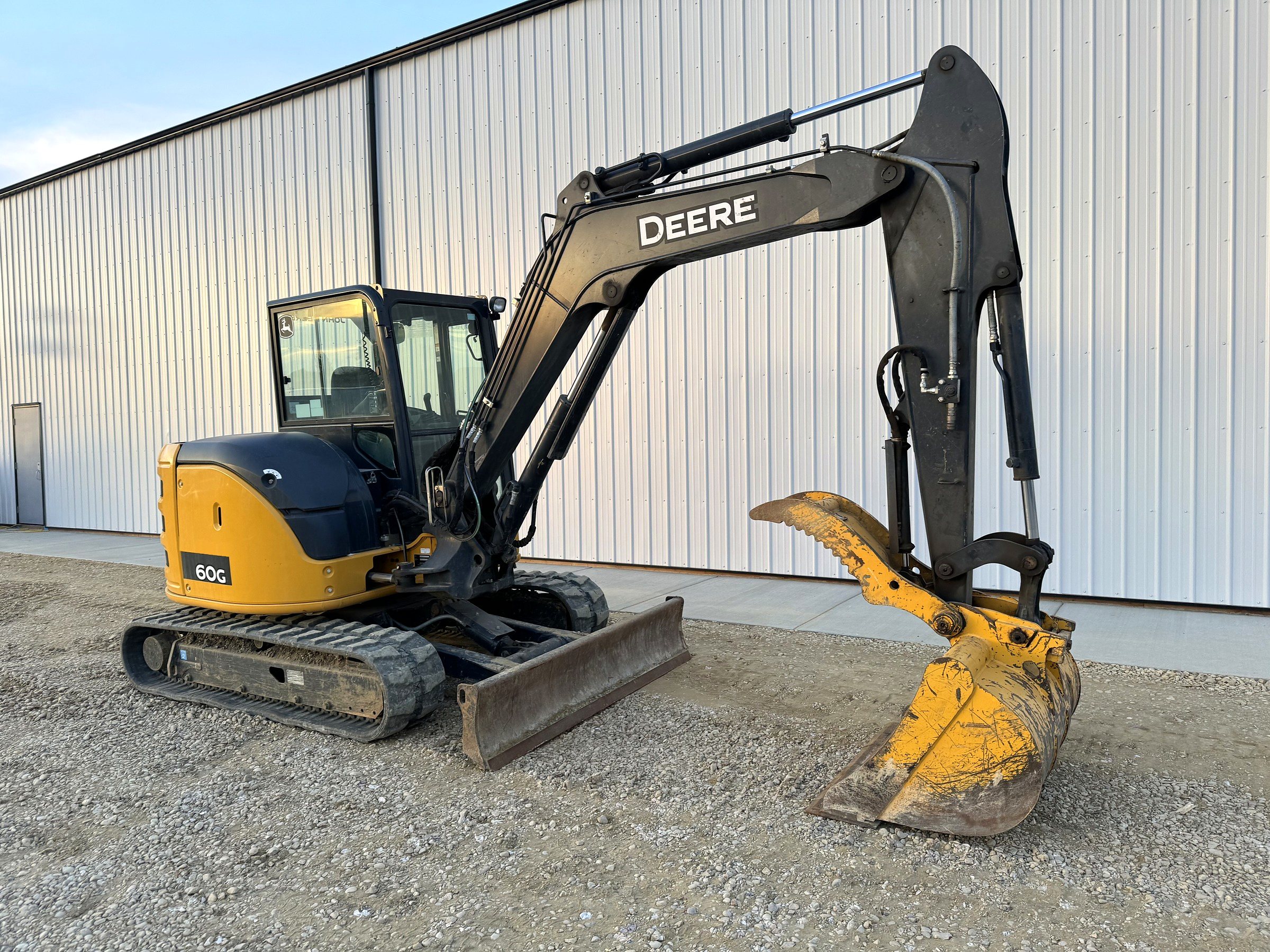
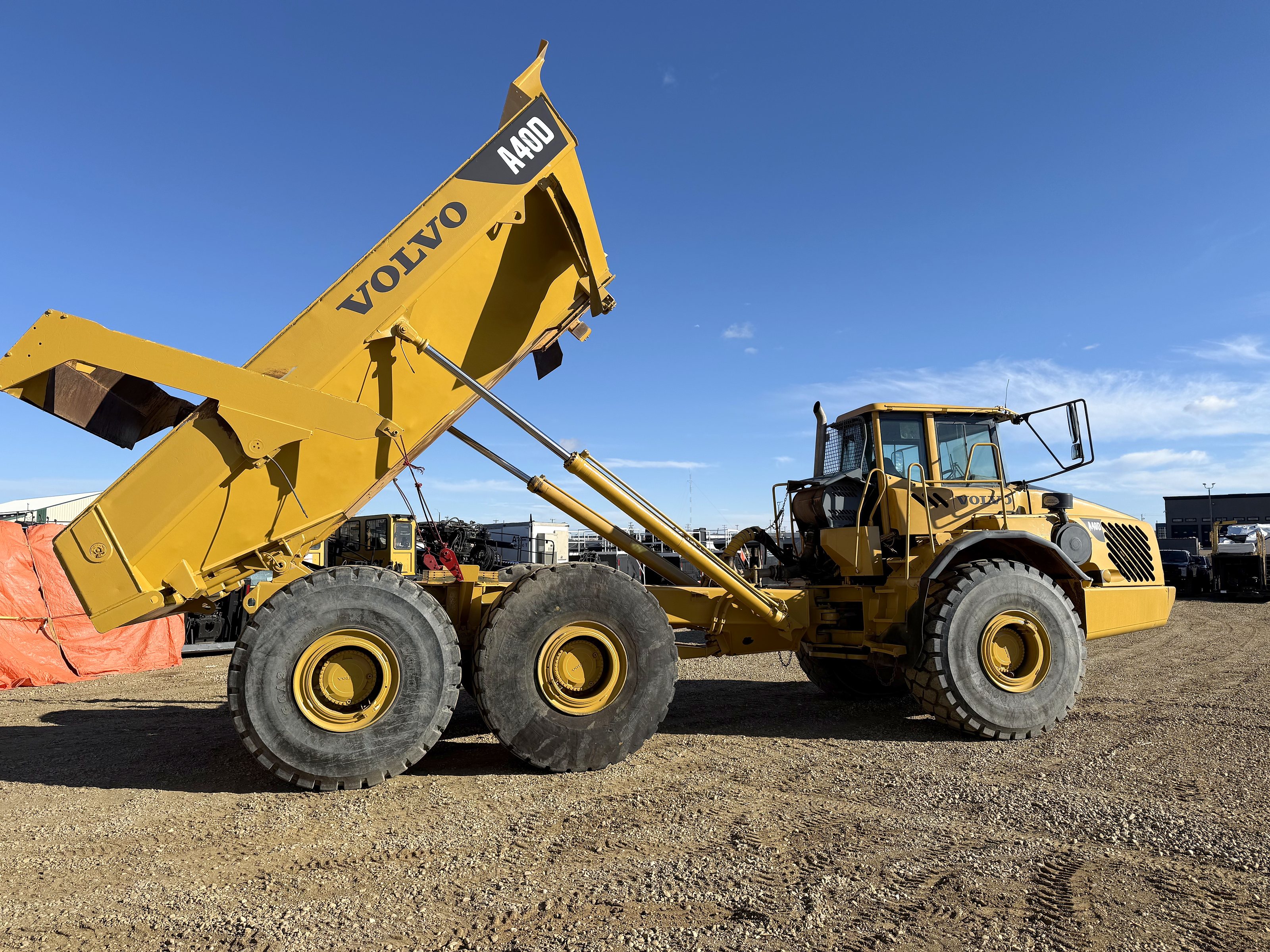
- Excavators. Two joysticks, two travel controls, the throttle dial and the machine's own pilot lockout lever. On our own John Deere 290G LC and 470G LC.
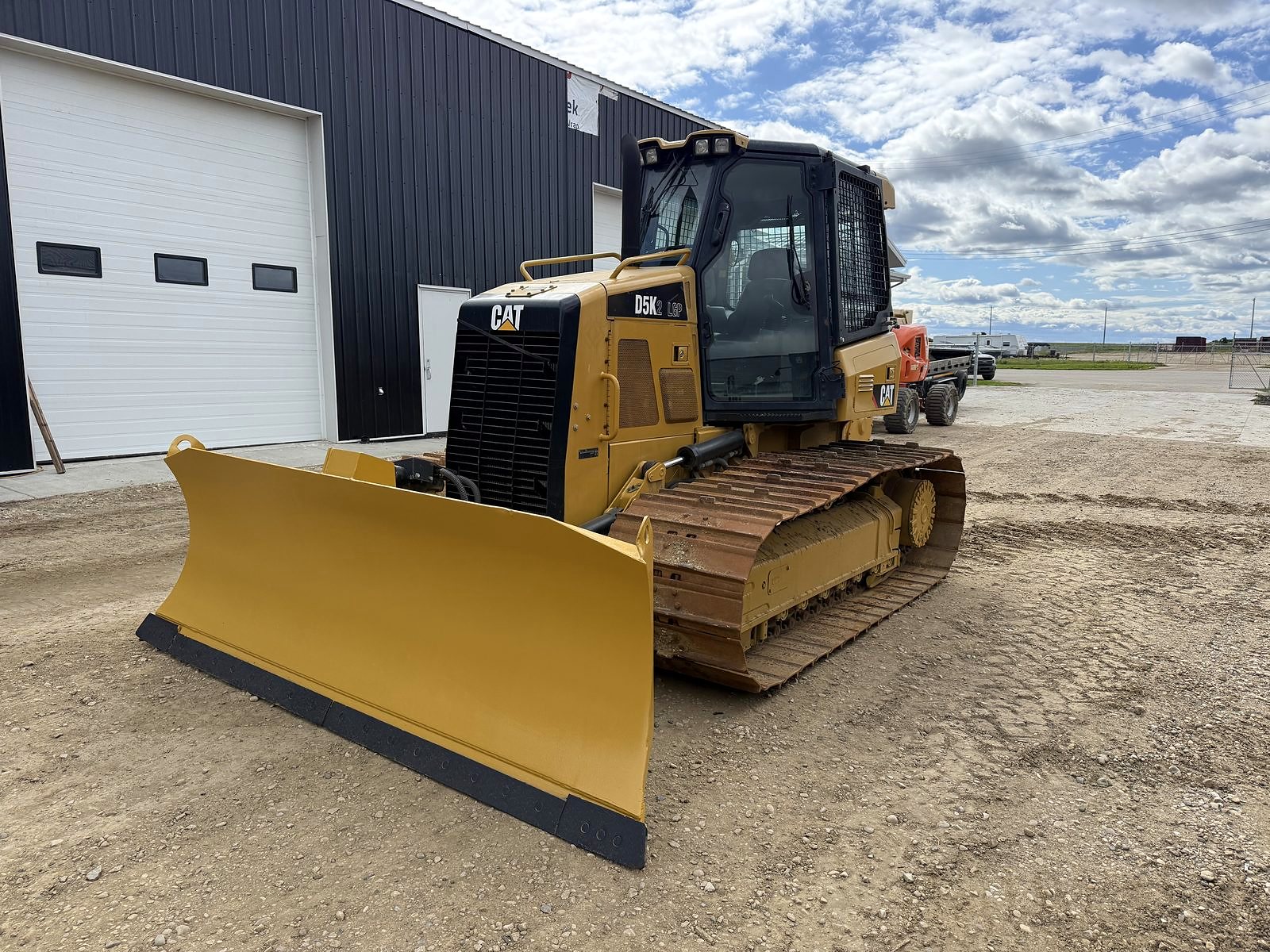
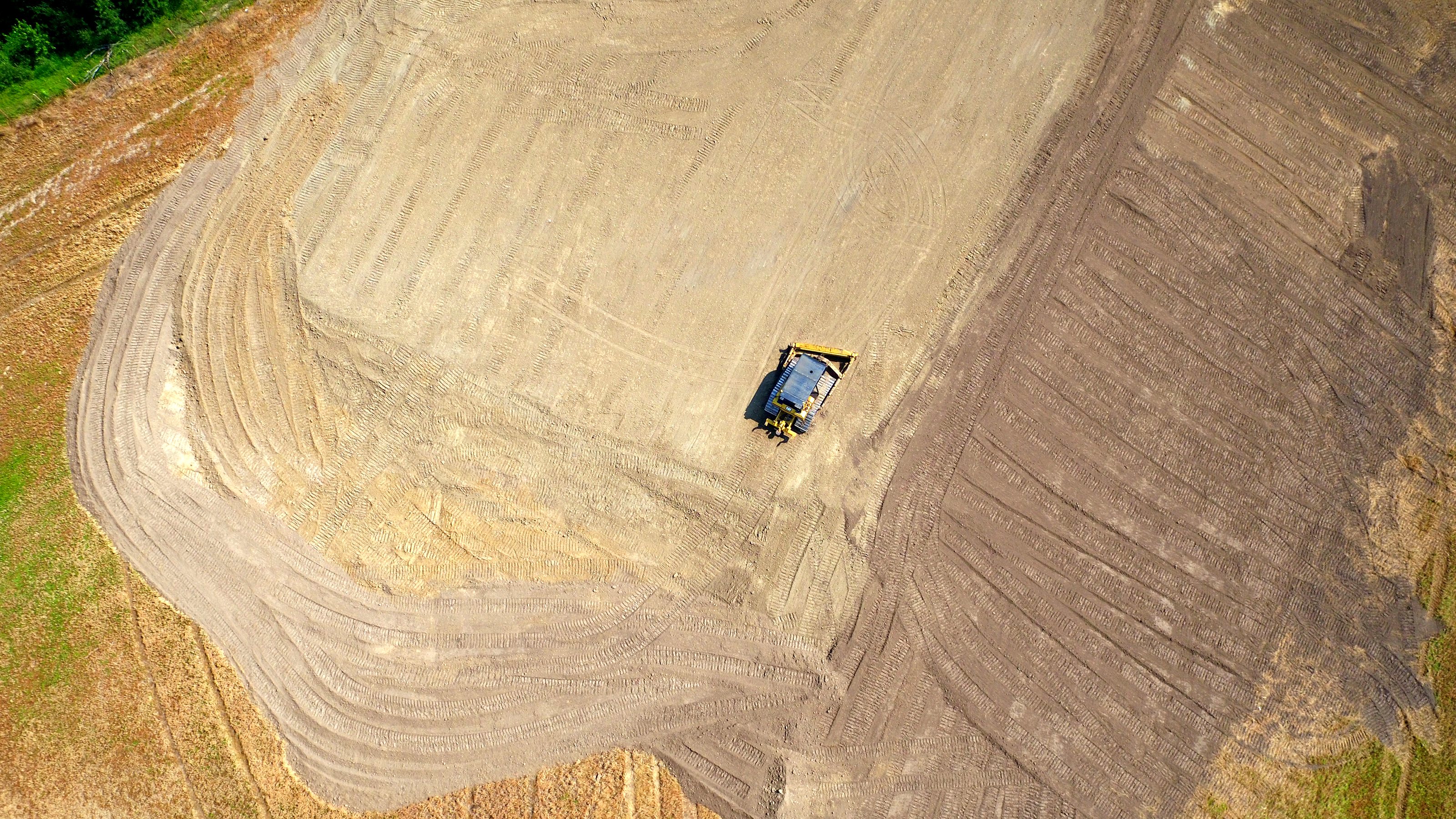
- Dozers. Steering, forward-neutral-reverse, the gear selector, the parking brake, the blade and the ripper. On our own Caterpillar D6T LGP.
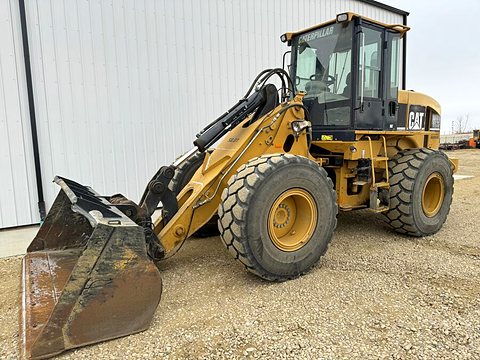
- Wheel loaders. Wheel steering, pedals and an implement joystick. On our own Caterpillar 930.
- Backhoes. Driving controls at the front and hoe controls at the rear. On our own John Deere 310.
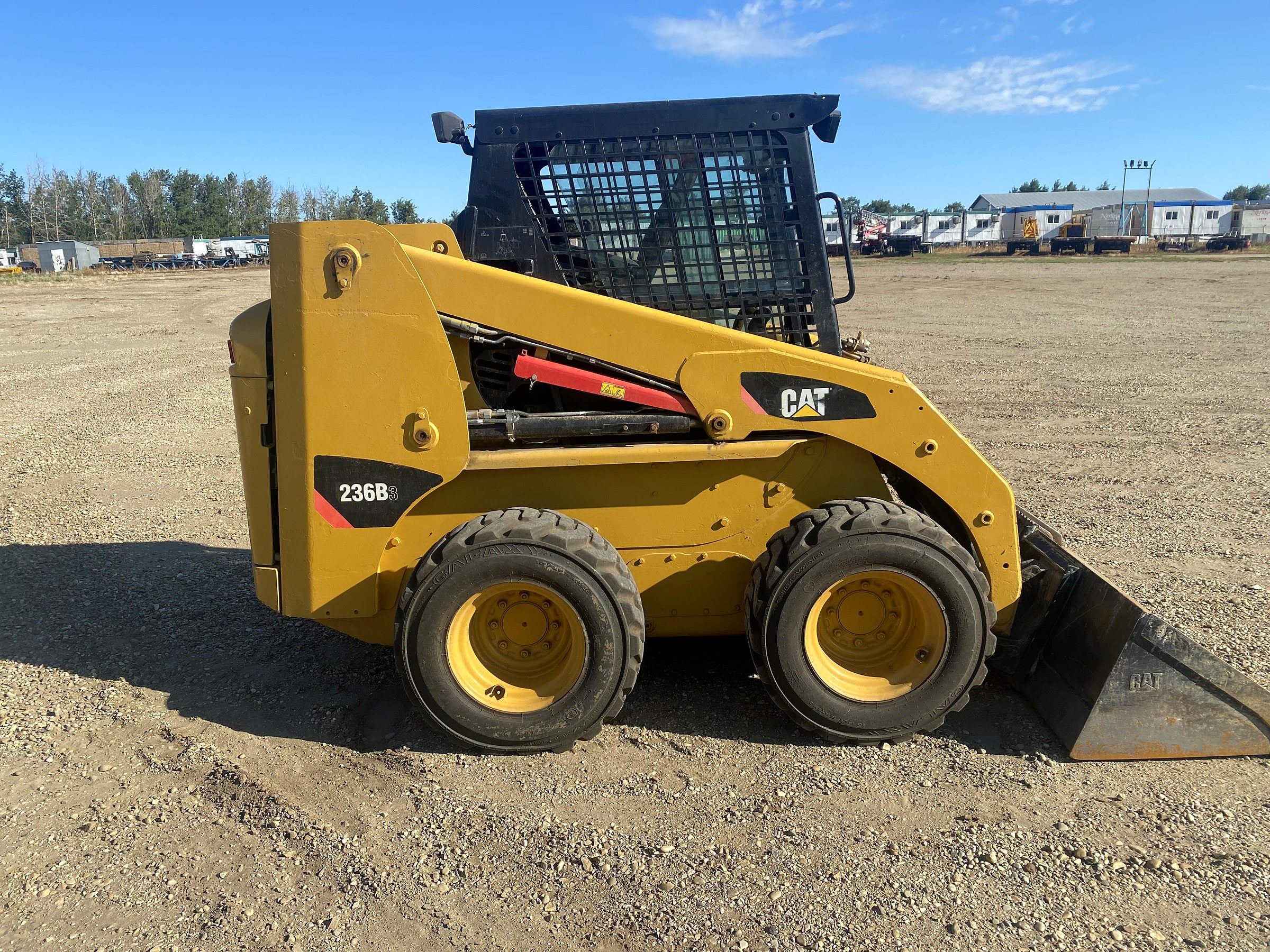
- Compact track and skid steers. Joysticks and auxiliary functions, in the smallest cab we work in. On our own Caterpillar 236.
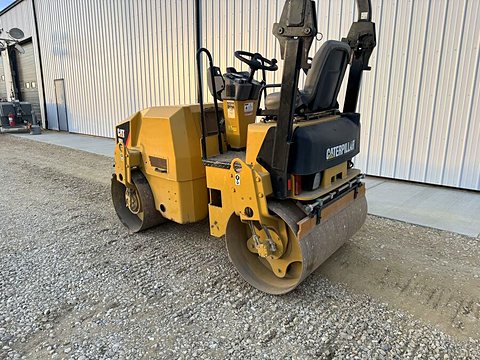
- Compaction and telehandlers. Rollers, packers and pavers on steering, propulsion and the implement control. Telehandlers on steering, travel, boom and attachment. On our own Caterpillar CS54B and JCB 510.
Five conditions a site has to meet.
We score industrial sites against them, because a site that fails them will fail the machine whatever the machine can do.
- The operation you want to automate is what is holding up the job.
- The task is fixed and repeated.
- The site is private and access-controlled.
- There is no third-party traffic. A member of the public cannot consent to the risk.
- Utilisation is high and predictable.
How industrial sites score.
| Industrial site | Constraint | Fixed task | Private site | No public traffic | Utilisation | Verdict |
|---|---|---|---|---|---|---|
| Quarry and aggregate load-out | Often | Yes | Yes | Yes | High | Where we start |
| Tailings and stockpile management | Sometimes | Yes | Yes | Yes | High | Strong |
| Waste and landfill cell working | Often | Yes | Yes | Mostly | High | Strong |
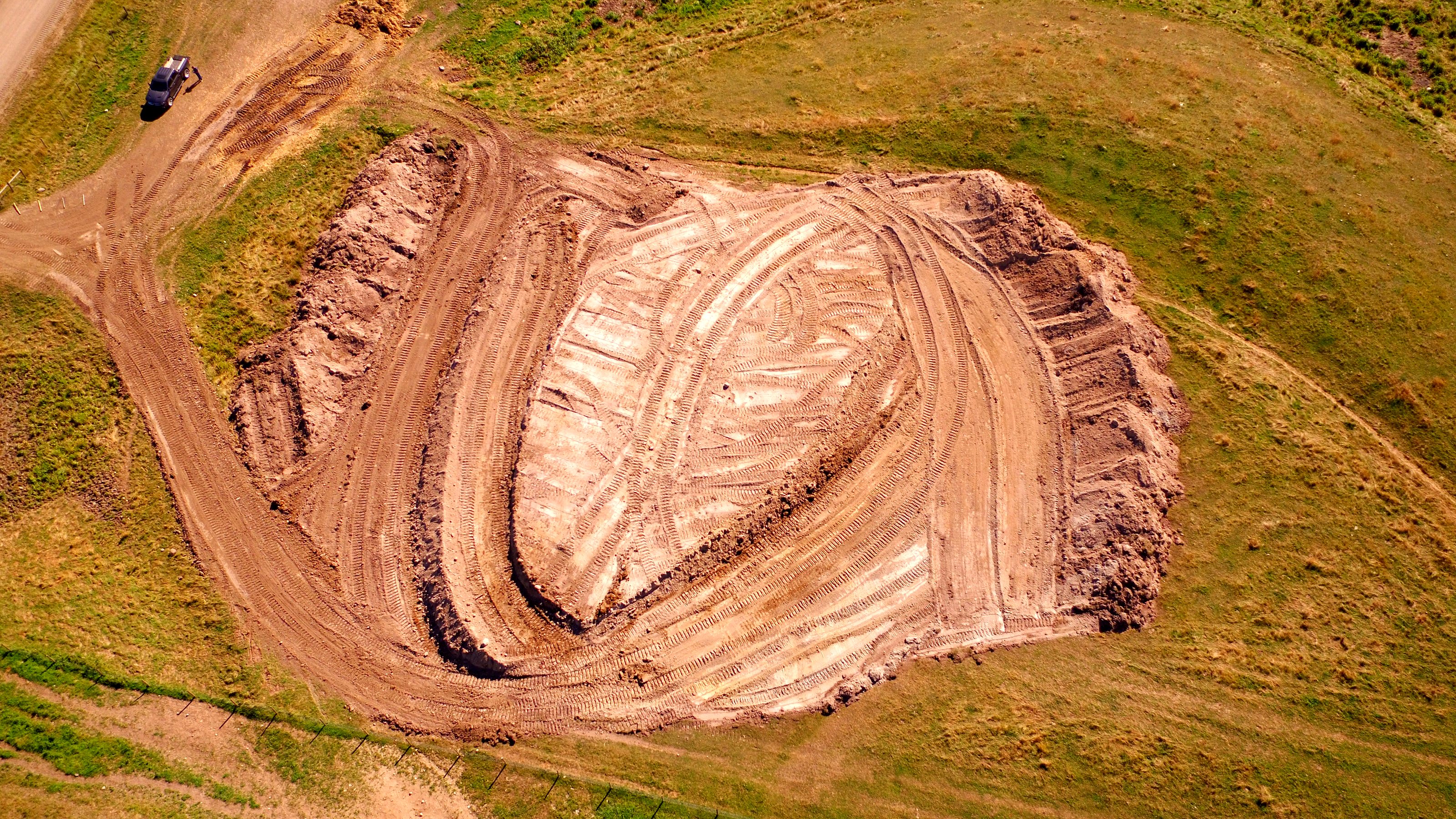
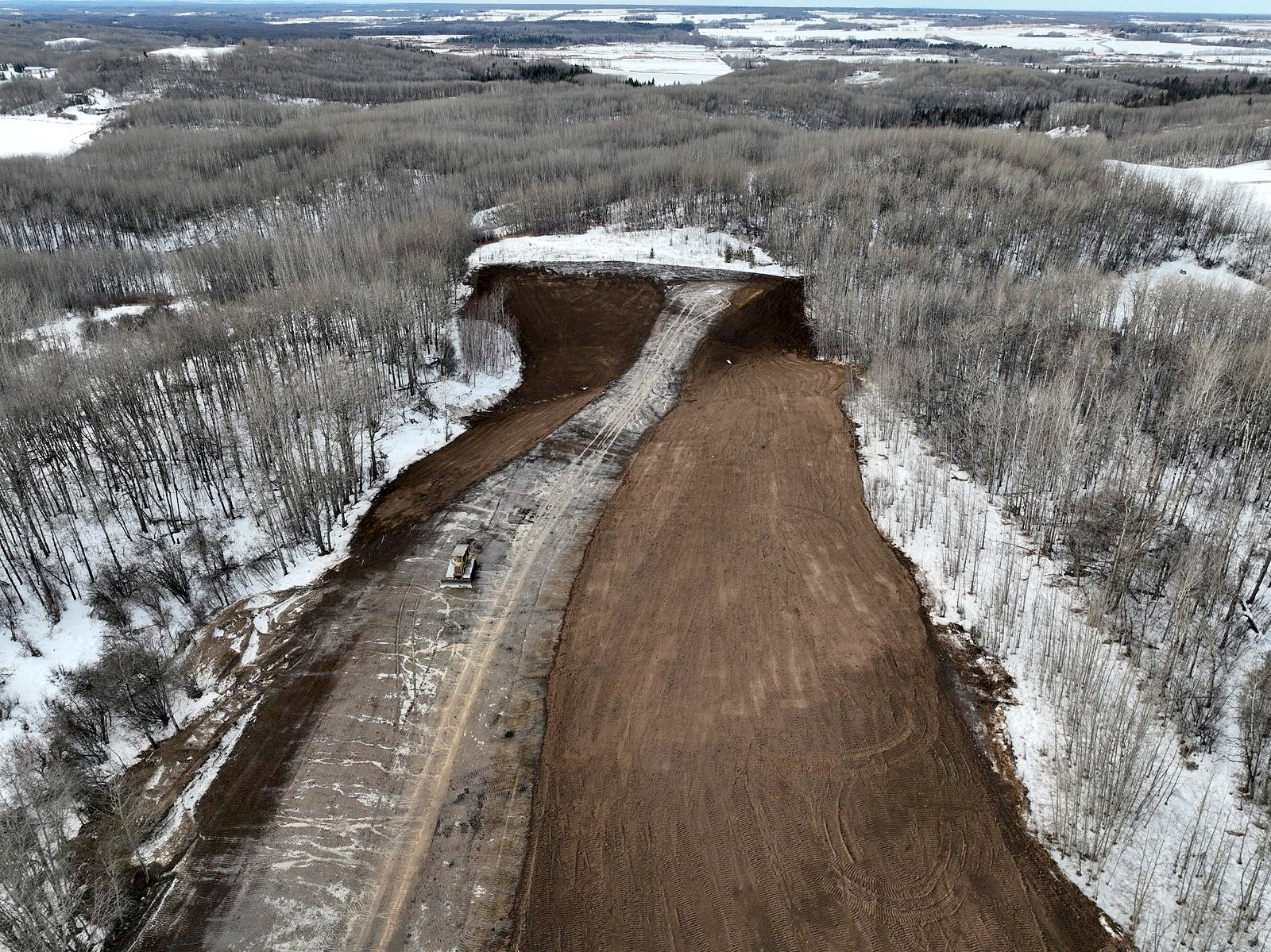
| Bulk earthworks on a closed site | Often | Yes | Yes | Yes | High | Where we start |
| Demolition and hazardous handling | No | No | Yes | Yes | Low | Worth it to get a person out |
| General construction earthworks | Often | Yes | Yes | Mostly | High | Where we start |
| Roadworks with public traffic | No | No | No | No | Low | Refused |
Earthworks is the work this system was designed for. The one job we turn down is anything with public traffic within reach of the machine.
The seats nobody should sit in come first.
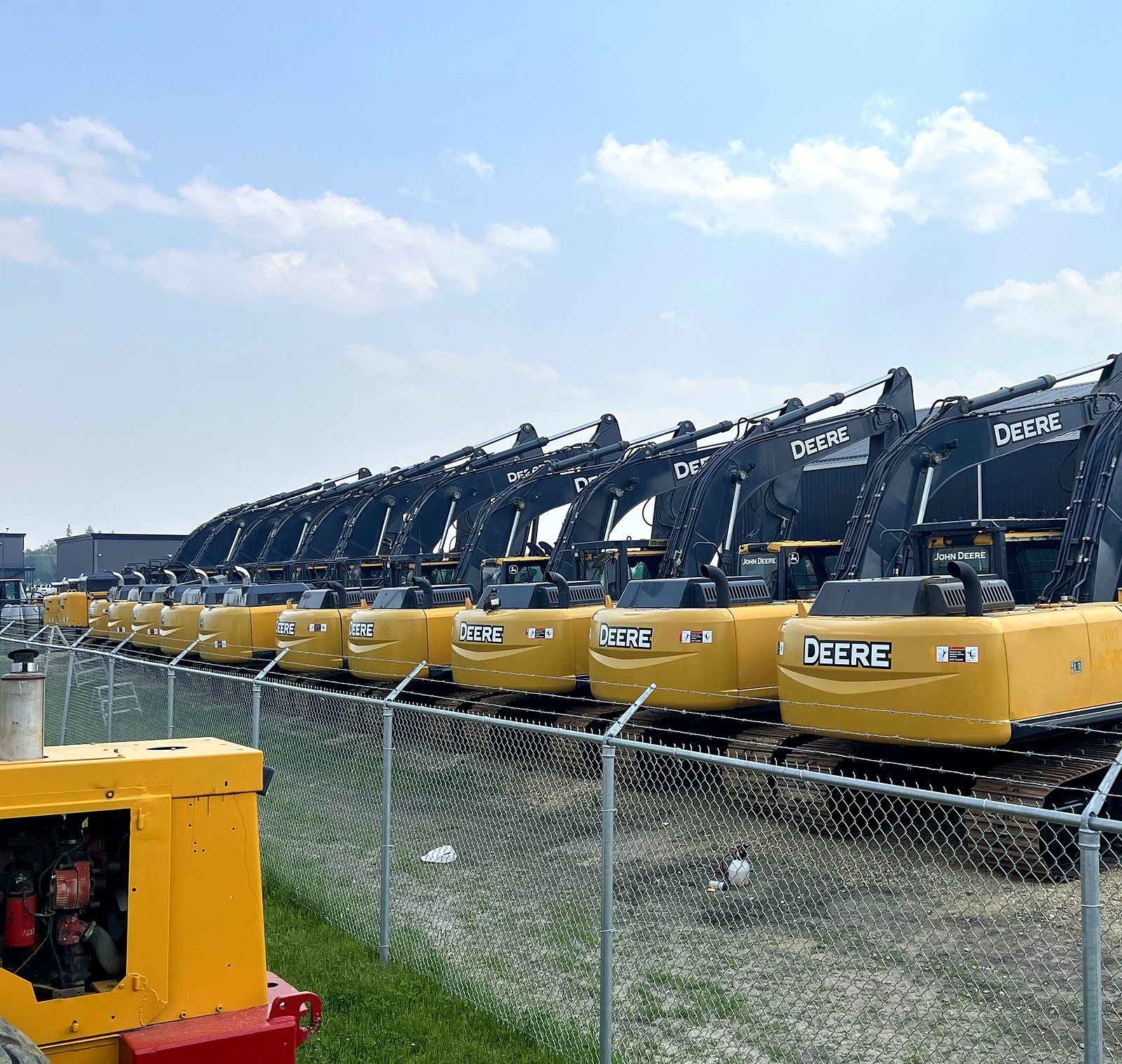
The group's excavators behind the yard fence, Alberta.
Two kinds of seat worth filling this way.
- Hazardous seats. Under a highwall, pushing tailings, contaminated ground, the unstable edge of a cut, the drop zone under a demolition arm. Here the value is a person out of the seat, whatever the cycle time.
- Seats you cannot staff. The night shift nobody wants, the remote site where an empty seat idles the machine outright, the seasonal window when the work is there and the operators are not.
Who we can help, and who we cannot.
- The owner of a mixed, older fleet on a private site outside any OEM autonomy programme.
- A contractor with one machine doing the same cycle in the same place for weeks.
- An operation with a hazardous station it would rather nobody sat in.
- A dealer being asked for an autonomy answer without a programme of its own.
- Public-road, public-traffic or third-party-pedestrian work.
- Work that needs a guaranteed production rate. We do not promise one.
- Fleets already inside an OEM autonomy programme.
- Leaving Eddie fitted permanently and unattended, starting the machine, or driving it on a road.
Industrial, on real ground.