The seat an agency should not have to fill.
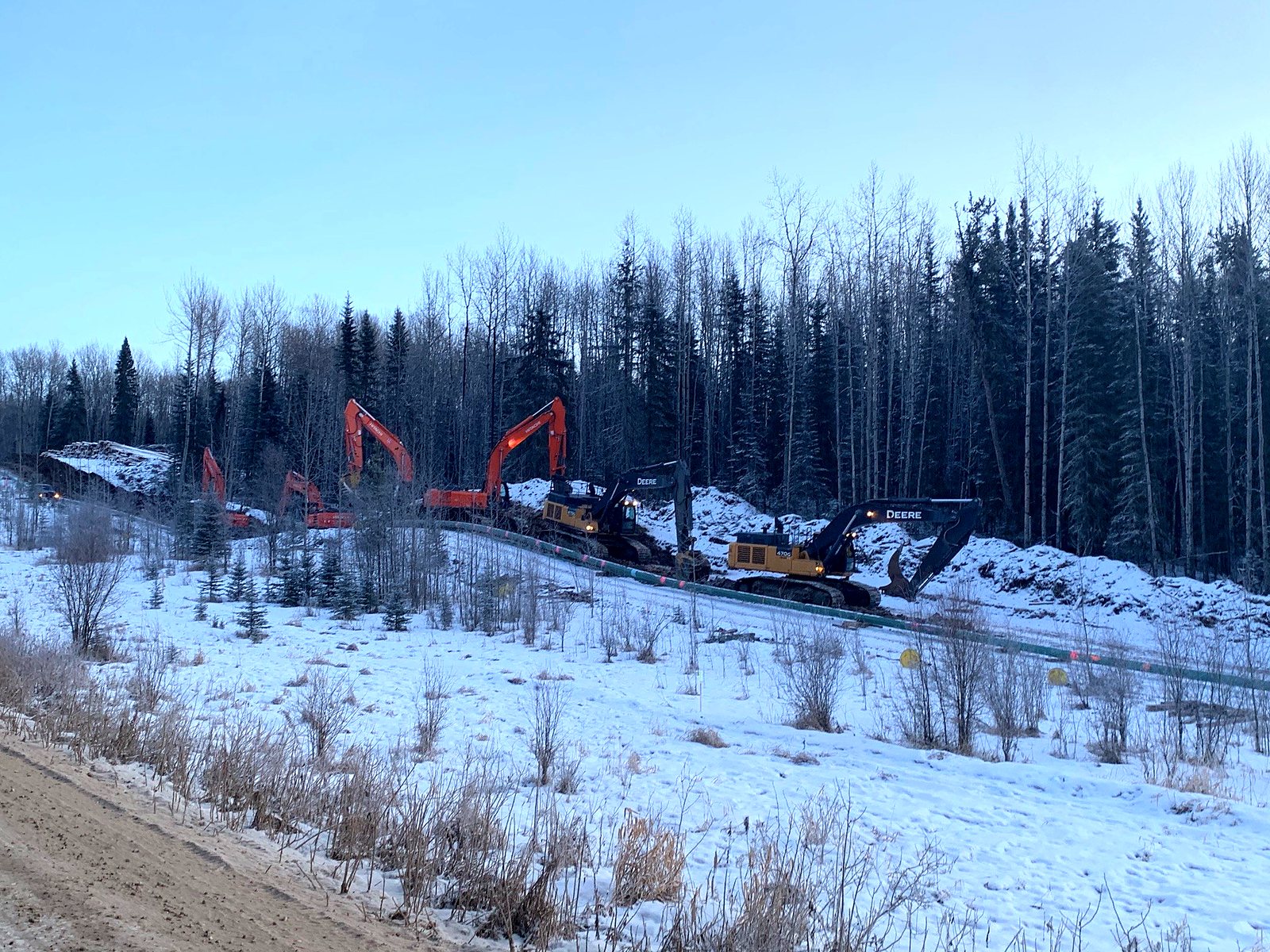
Flood and breach closure, wildfire guard and fuel breaks, debris clearance, route opening, contaminated ground. Work that puts a machine somewhere nobody should have to sit for a full shift. Steady Eddie fits the excavator, dozer, loader or tractor your agency already owns, works its own controls, and lifts out when the callout is over.
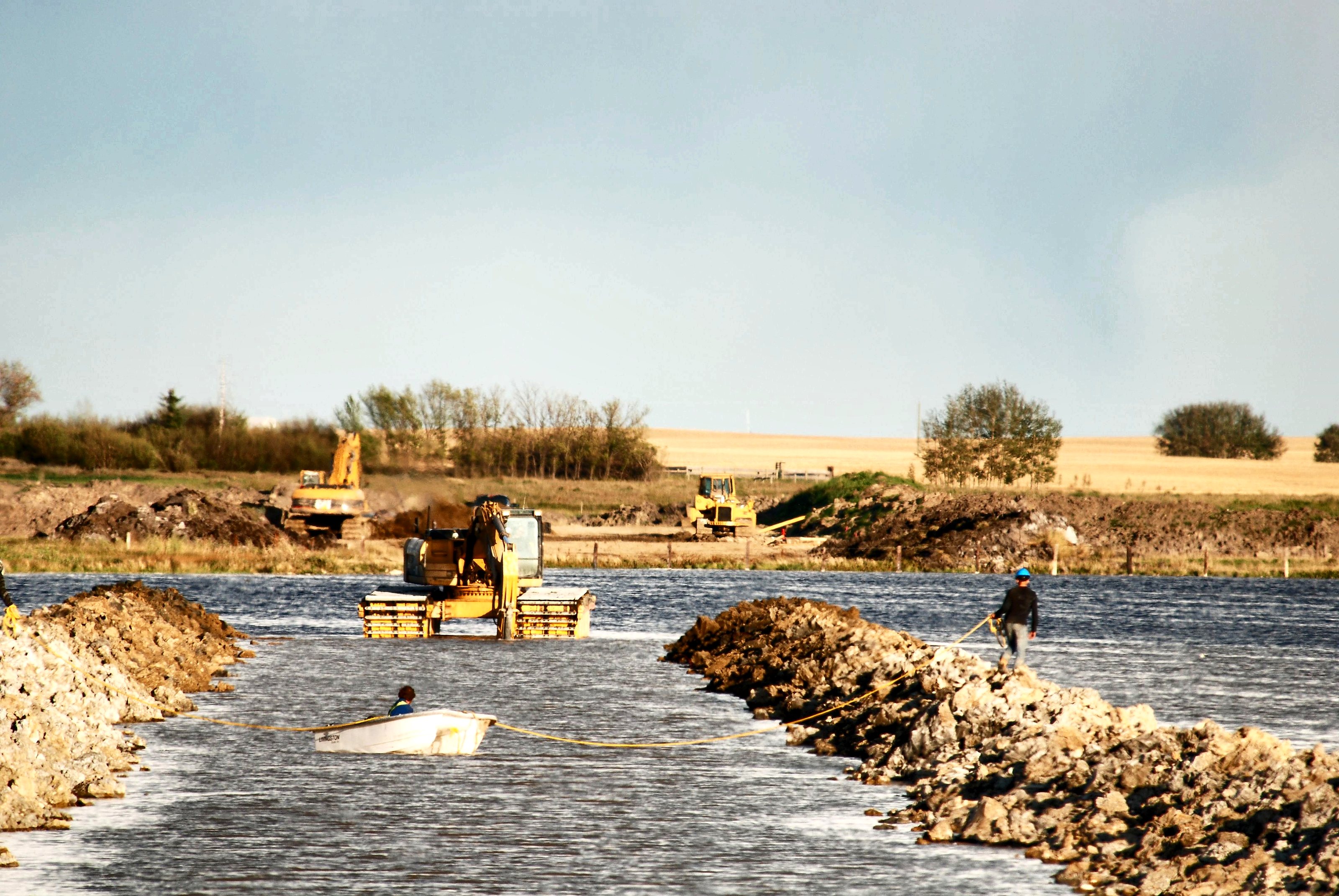
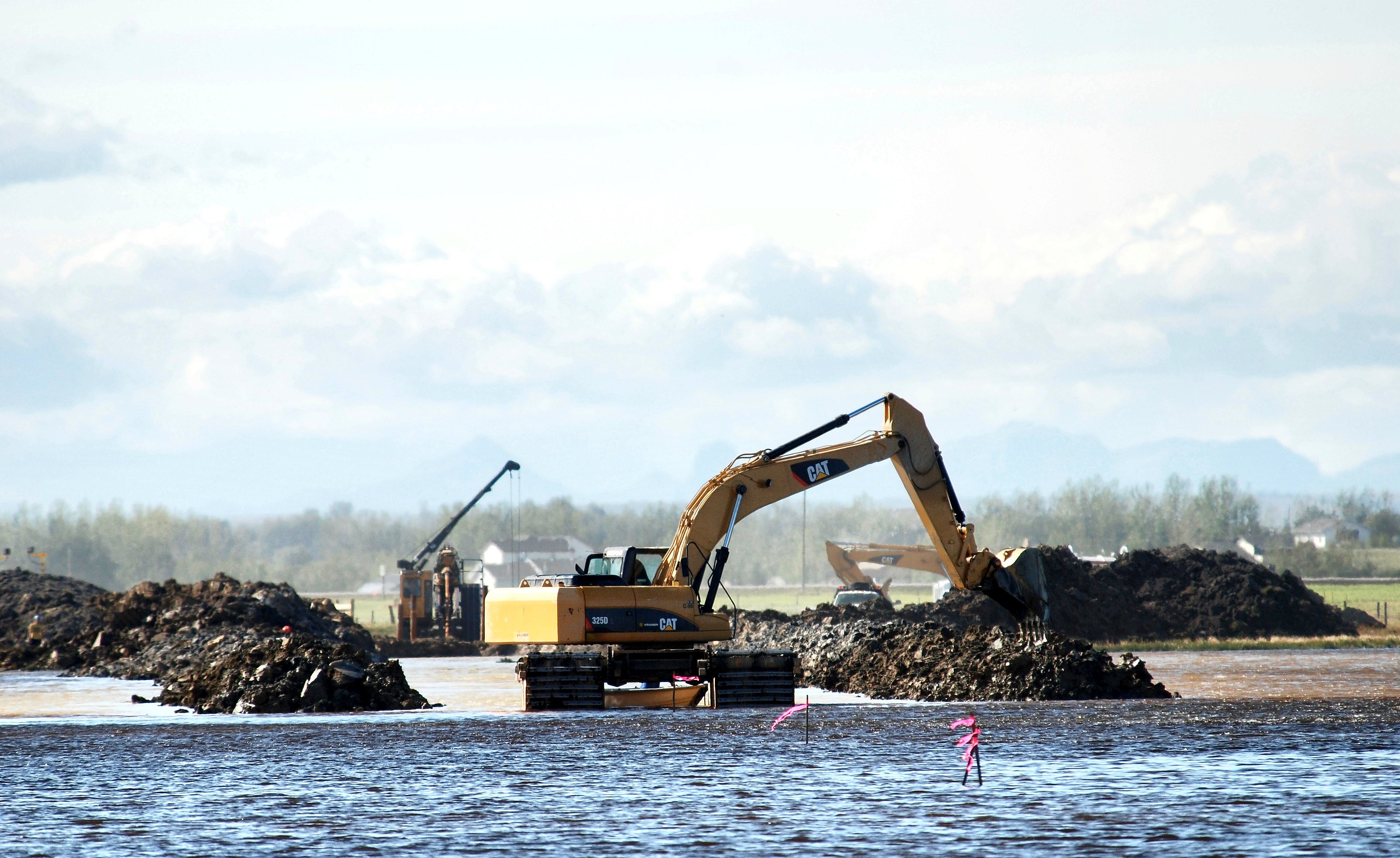
Closing a rock causeway across open water, Weed Lake, Alberta.
A removable operator, not a new machine.
Steady Eddie is a removable robot operator that sits in the seat of a machine your agency already owns.
It works that machine's own joysticks, levers, pedals and switches with its own actuators, and reads the dash with a camera of its own, never touching the machine's CAN bus, ECU or firmware.
The only wire is a fused feed from the accessory point, and the unit lifts back out when the callout is over.
The callouts it fits.
Earthwork that comes with fire, rescue, hazmat and disaster response, on the machines your agency already runs.
Flood and breach closure.
Berms and closures across moving or open water, and the rock and fill work that goes with them.
Wildfire guard and fuel breaks.
Cutting line ahead of a fire, on ground a crew would rather not hold for the time it takes.
Debris and rubble clearance.
Moving what a disaster left behind, so people and vehicles can move again.
Route opening.
Reopening a road or an access route so the rest of the response can follow it in.
Contaminated ground and spill.
Working ground where the hazard is in it, not just on top of it.
Slope and tailings after a failure.
Ground that is still moving, worked from a seat that does not have to be on it.
The same machines, a different callout.
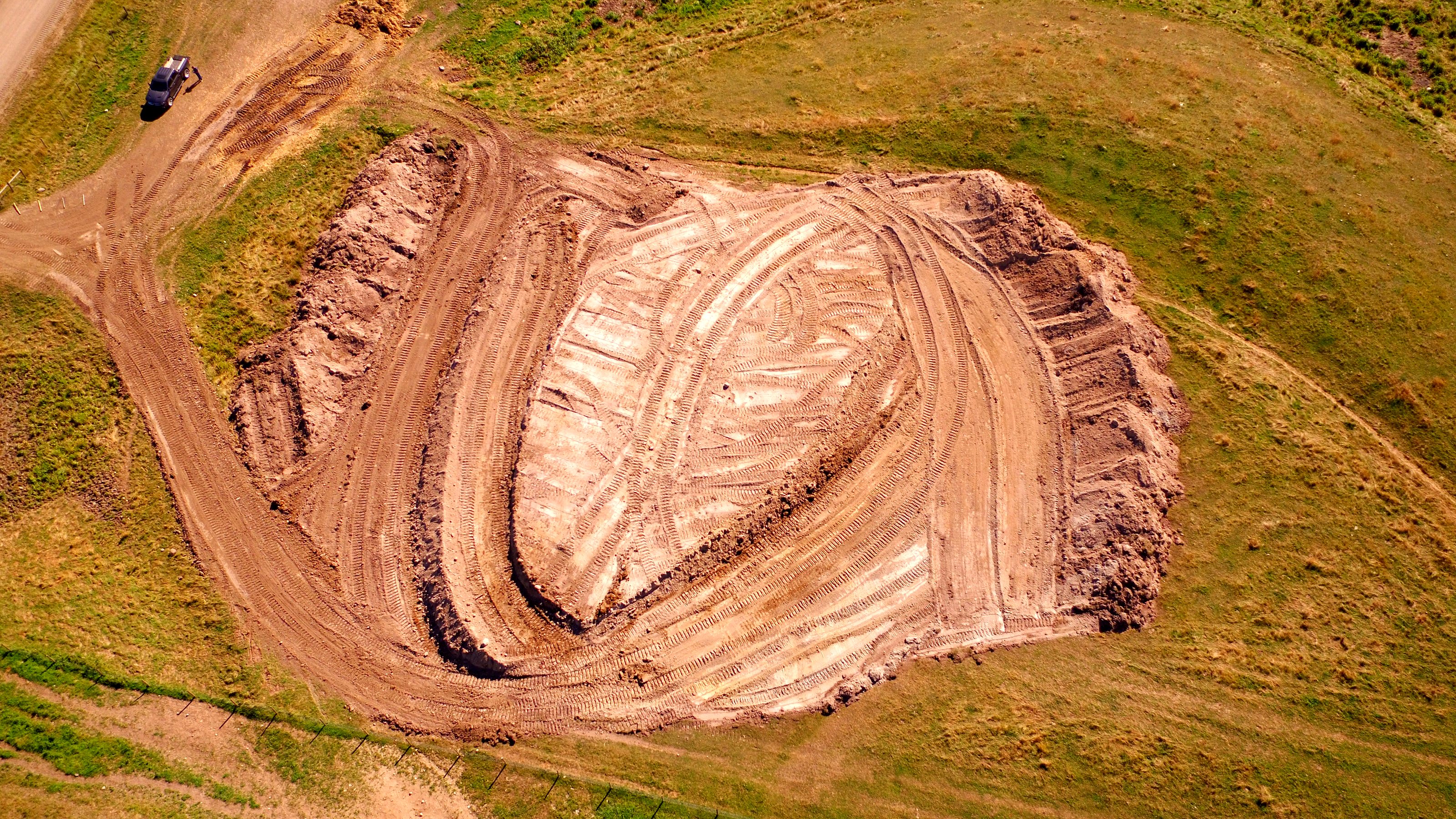
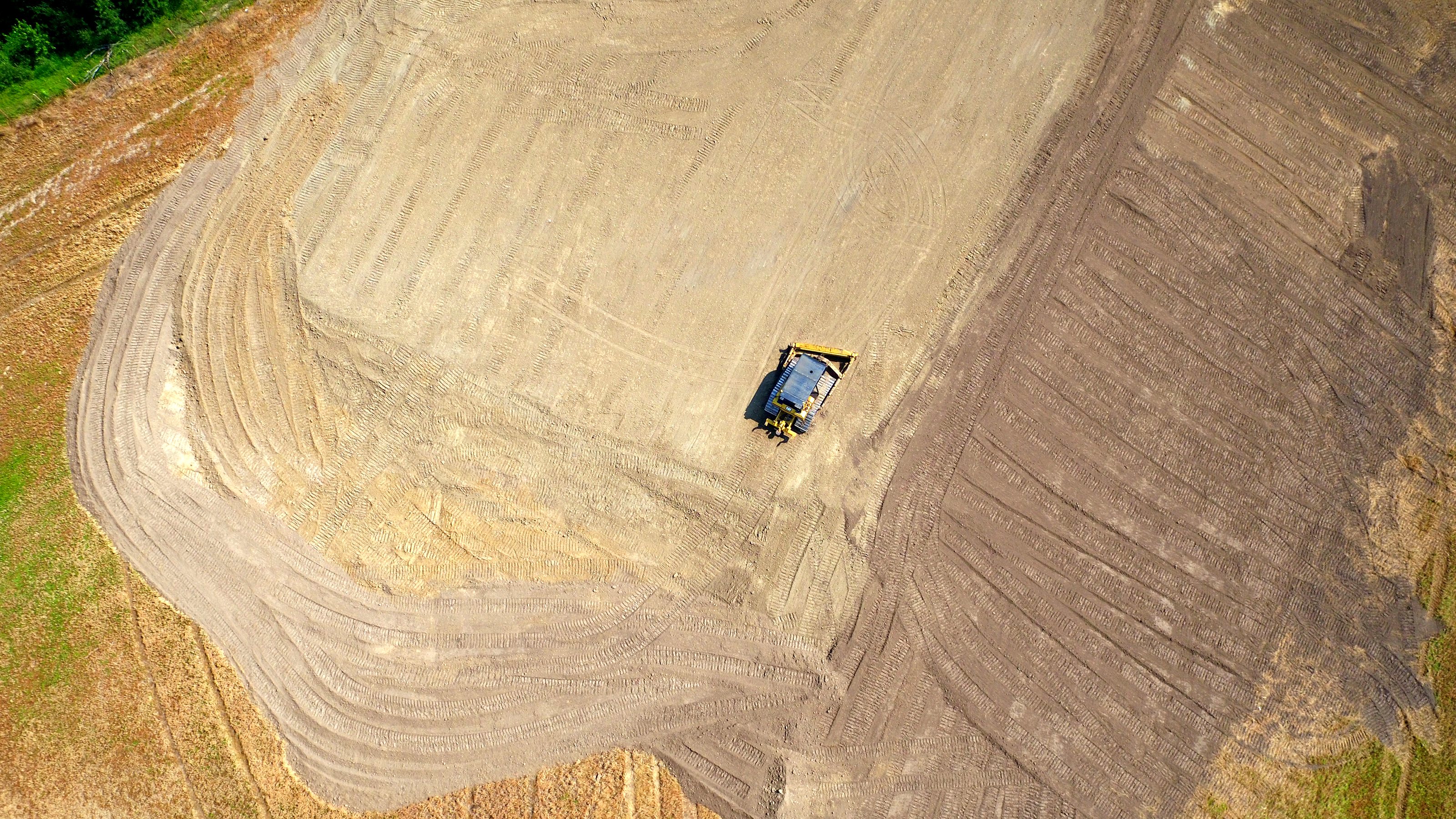
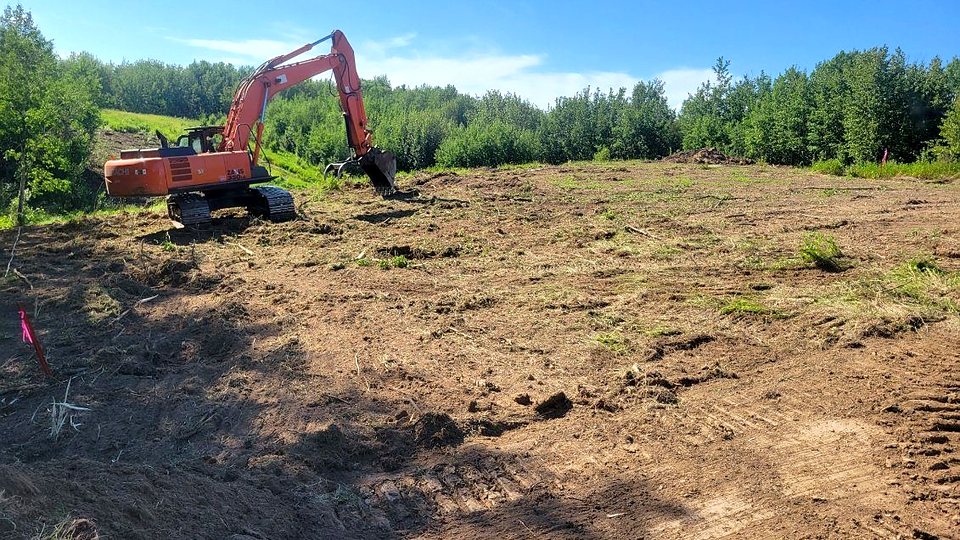
Grading a field, from the air.
The exposure is the seat, not the machine.
A machine built for this work can go into a flood, onto a slope that is still moving, over burning or contaminated ground, downwind of a plume. It is built for exactly that kind of ground. The seat is not.
The group's own crews have closed rock causeways and breaches across open water at Weed Lake, Alberta, running an amphibious excavator off the rock and a boat. This is the group's own experience of the work, not a Steady Eddie deployment, and it is the ground this argument is built on.
Eddie's case is to put the machine on that ground without putting the seat's occupant on it, so the person who authorizes and watches the job can stand somewhere the water, the slope or the plume is not.
It fits the machine you already own.
Eddie docks once, into points the manufacturer already provided, and the unit lifts in and out from there. There is no new fleet to buy, park or train a crew on for this.
Nothing on the host machine is cut, wired or reprogrammed to take it. Older machines count the same as new ones, because Eddie works through the joysticks, levers, pedals and switches a person already uses, not through the machine's electronics. A mixed municipal or contractor fleet is one system, not one program per make and year.
A person is in charge, in plain English.
- A person authorizes the work.
Nothing runs until someone clears it, machine by machine, callout by callout.
- Rules govern what it may do.
What is allowed is decided in advance, not improvised on the ground.
- It works inside a task and a boundary.
A work area and a job someone has defined limit where it goes and what it does. The boundary can only narrow that, never widen it.
- Outside the rules, it stops and waits on a person.
A situation the rules do not cover is a stop, not an improvisation. Eddie waits inside the task for a person to decide.
- A stop and a manual release are always there.
A stop wired directly into Eddie's own safety controller, with no software in the path, and a red manual release on every actuator, one hand, no tool, no air, no power. Wireless never carries the safety loop.
Who we can help, and who we cannot.
No agency has called on Eddie for a live response. What we offer today is a fit assessed machine by machine, and a first job scored on your own ground before you commit further.
- The owner of an excavator, dozer, loader or tractor already in the fleet, with a hazardous or exposed station it would rather nobody sat in.
- Flood, wildfire and disaster-response earthworks with a defined work area and a person on hand to authorize and watch the job.
- A municipality, county or contractor that wants a first job scored on its own machine, on its own ground, before committing further.
- Public-road, public-traffic or third-party-pedestrian work of any kind.
- Work that needs a guaranteed production rate or a promised response time. We do not offer either.
- Defence work, which is handled separately and screened before any discussion.
- Leaving Eddie fitted permanently and unattended, starting the machine, or driving it on a road.
Earthworks, the same machines.