The shifts nobody wants, and the seats nobody should take.
Energy and pipeline, mining, ports and yards, waste, utilities and remediation. Work that runs at night under light towers, in camp, in winter, on ground you would rather not put a person on. This is our own trade, and it is where an empty seat costs the most.
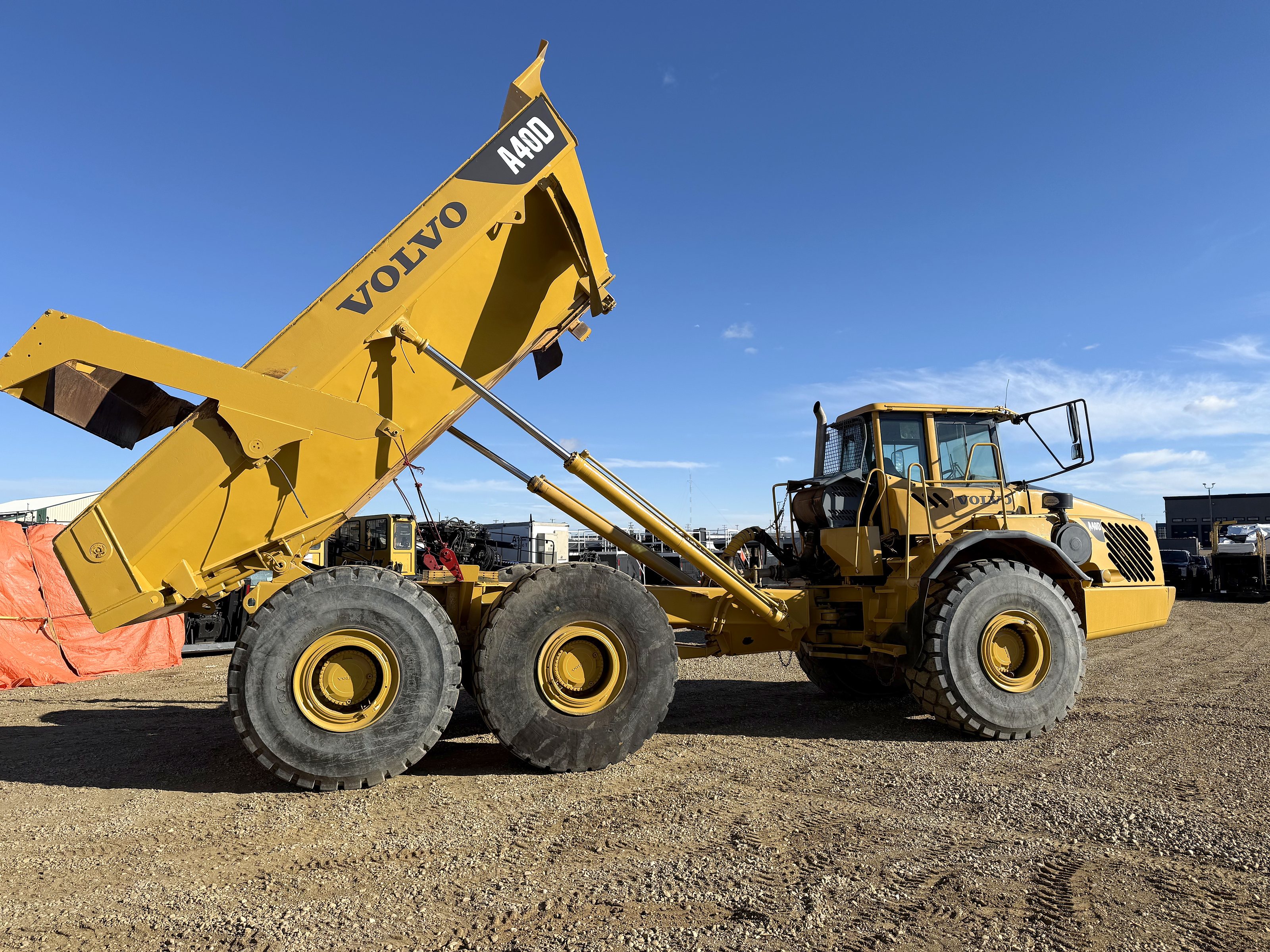
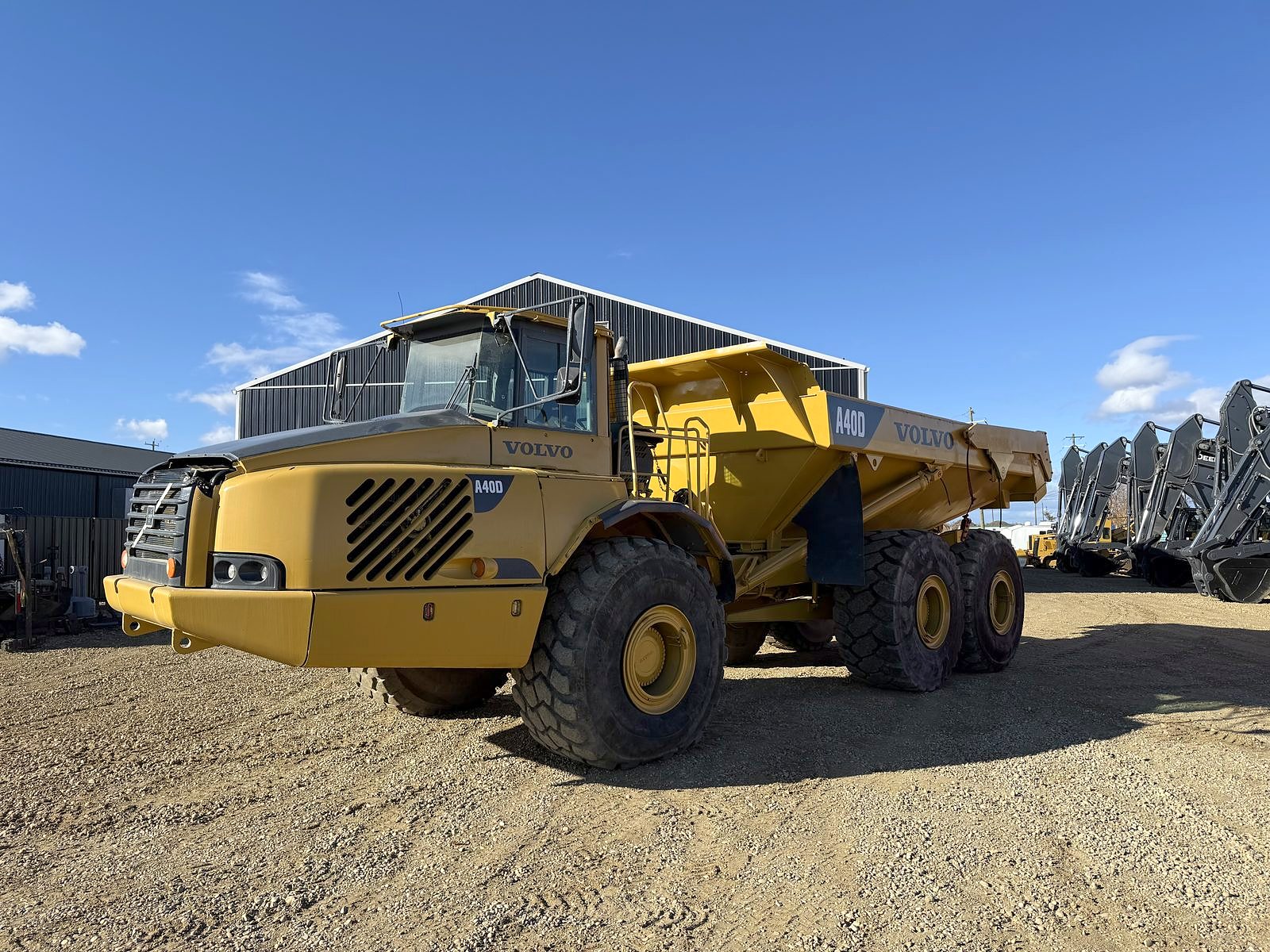
Volvo A40D articulated rock truck.
Thirty years on the right-of-way.
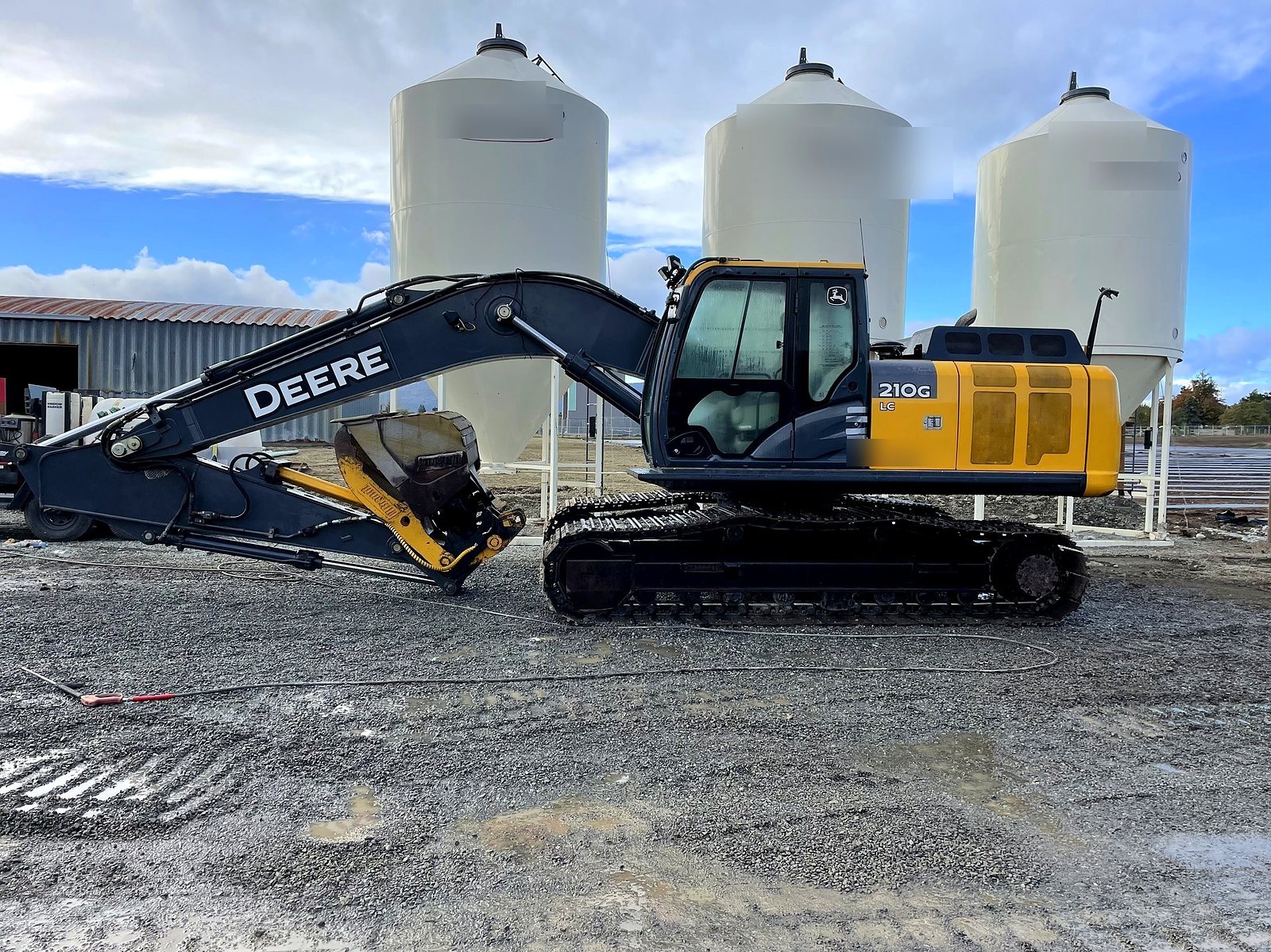
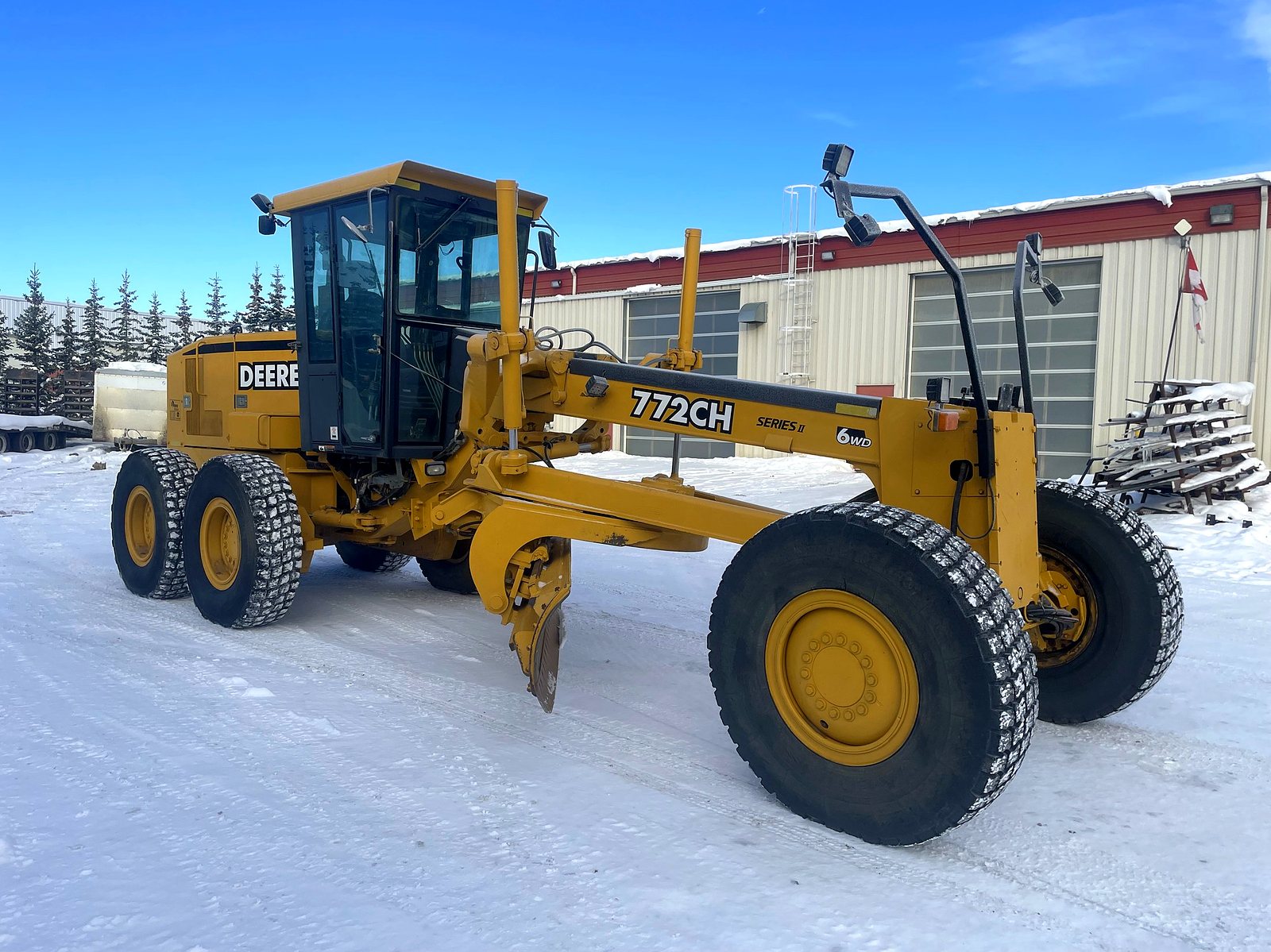
Steady Eddie is a standalone division of Sustainable Infrastructure Group Ltd. (SIG), a Western Canadian infrastructure group whose operating companies run pipeline spreads, directional drilling and heavy civil work. The photographs on this page are our machines on our own jobs.
We know which seats go unfilled, which ones should, and what a crew will accept at six in the morning in February.
What Eddie works on a civil site.
A person starts every machine, every session, and anyone can take Eddie's control away with one hand. Who is in charge, and the three ways to stop it, are on the safety page.
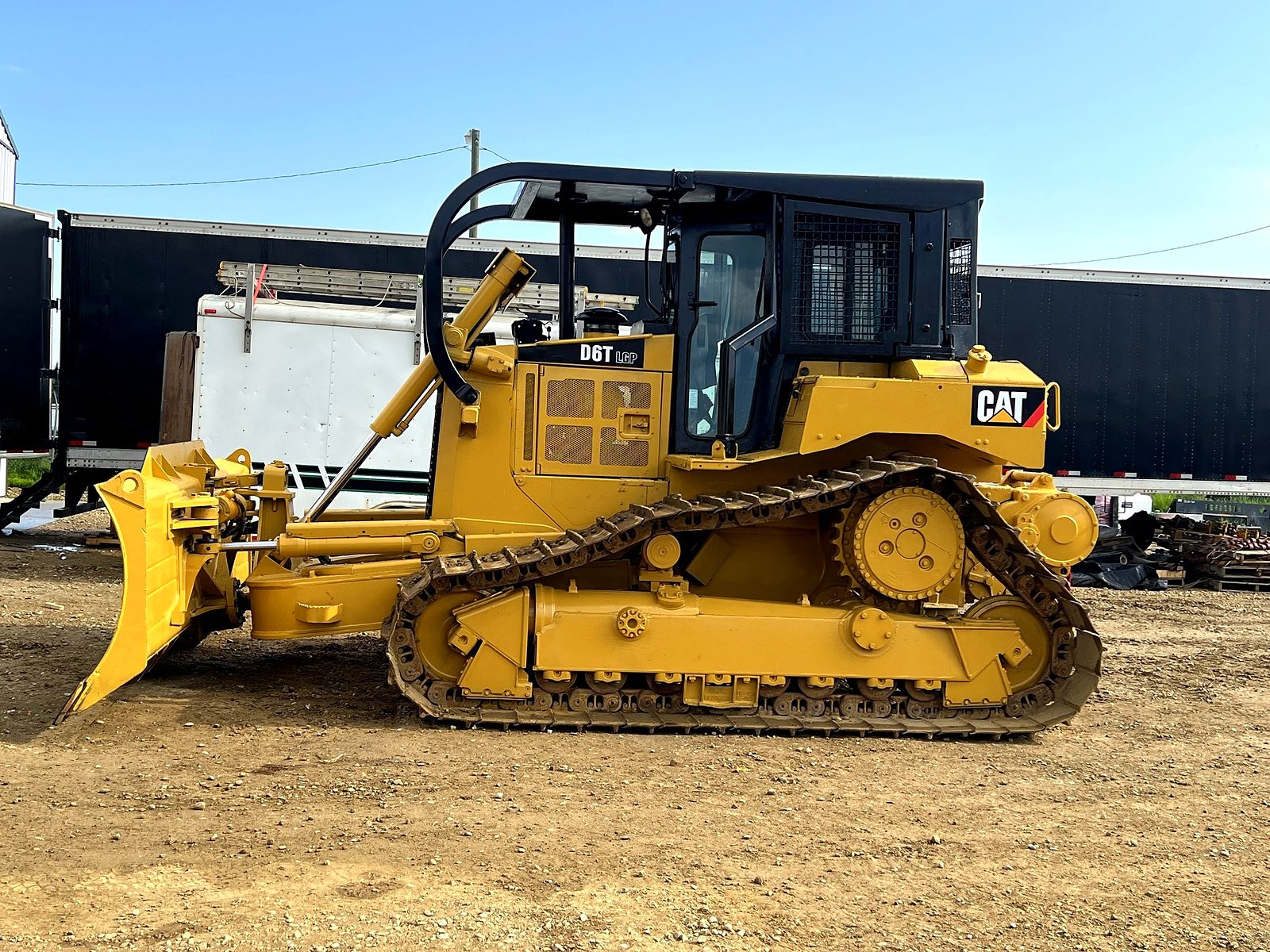
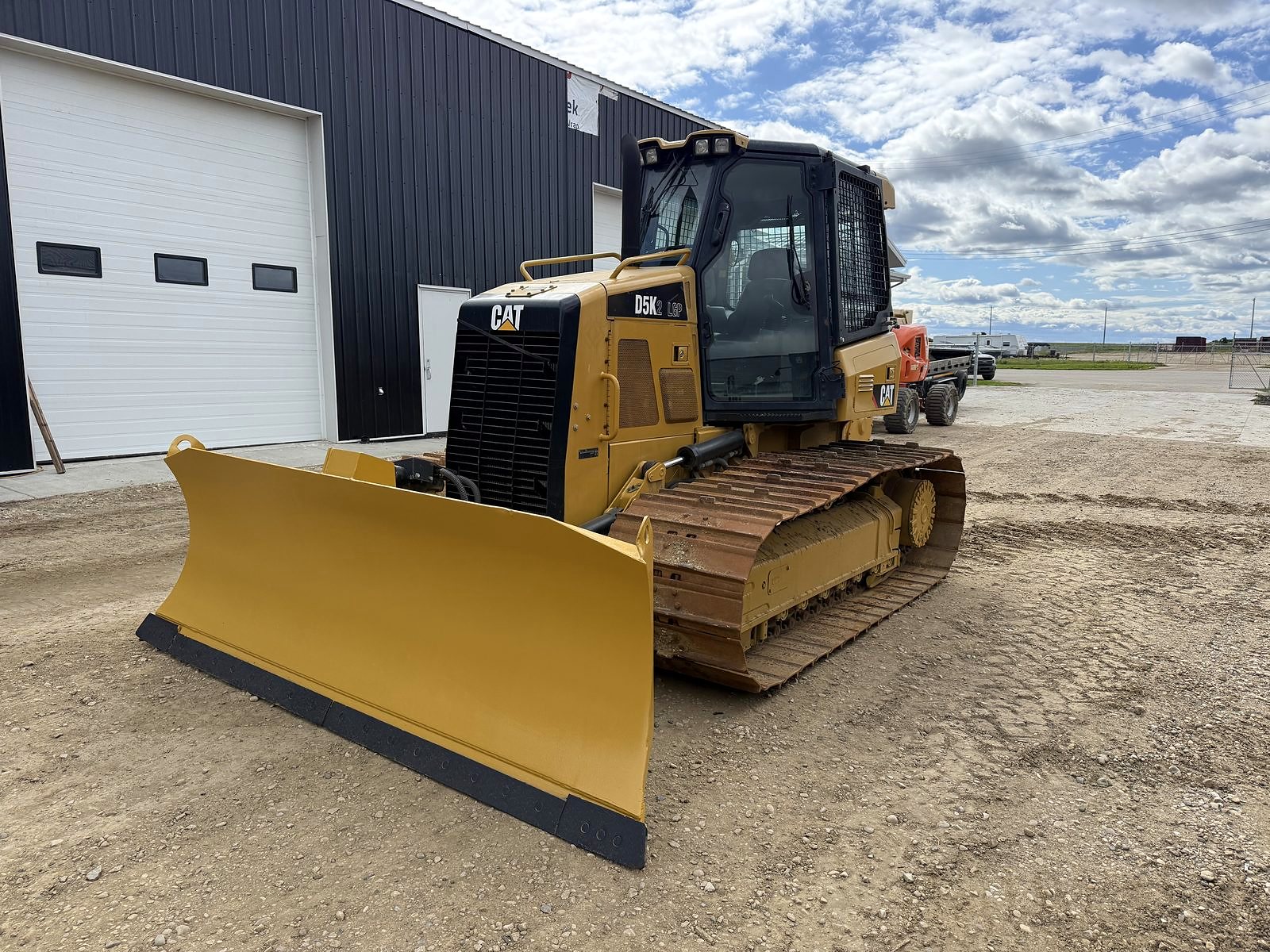
- Service dozers. Steering, forward-neutral-reverse, the gear selector, the parking brake, the blade and the ripper. On our own Caterpillar D6T LGP.
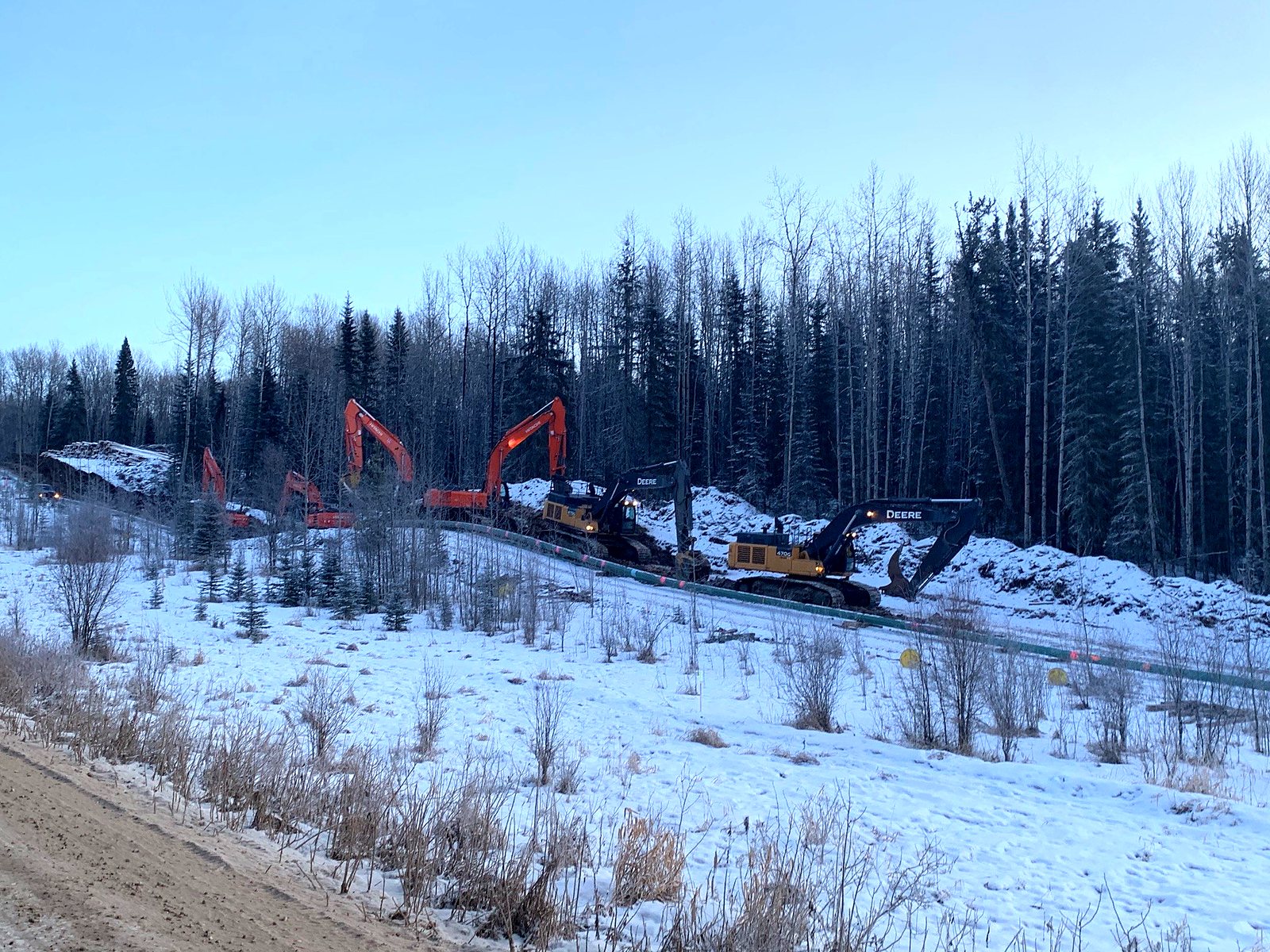
- Excavators on the spread. Two joysticks, travel, the throttle dial and the machine's own pilot lockout lever. On our own John Deere 290G LC and 470G LC.
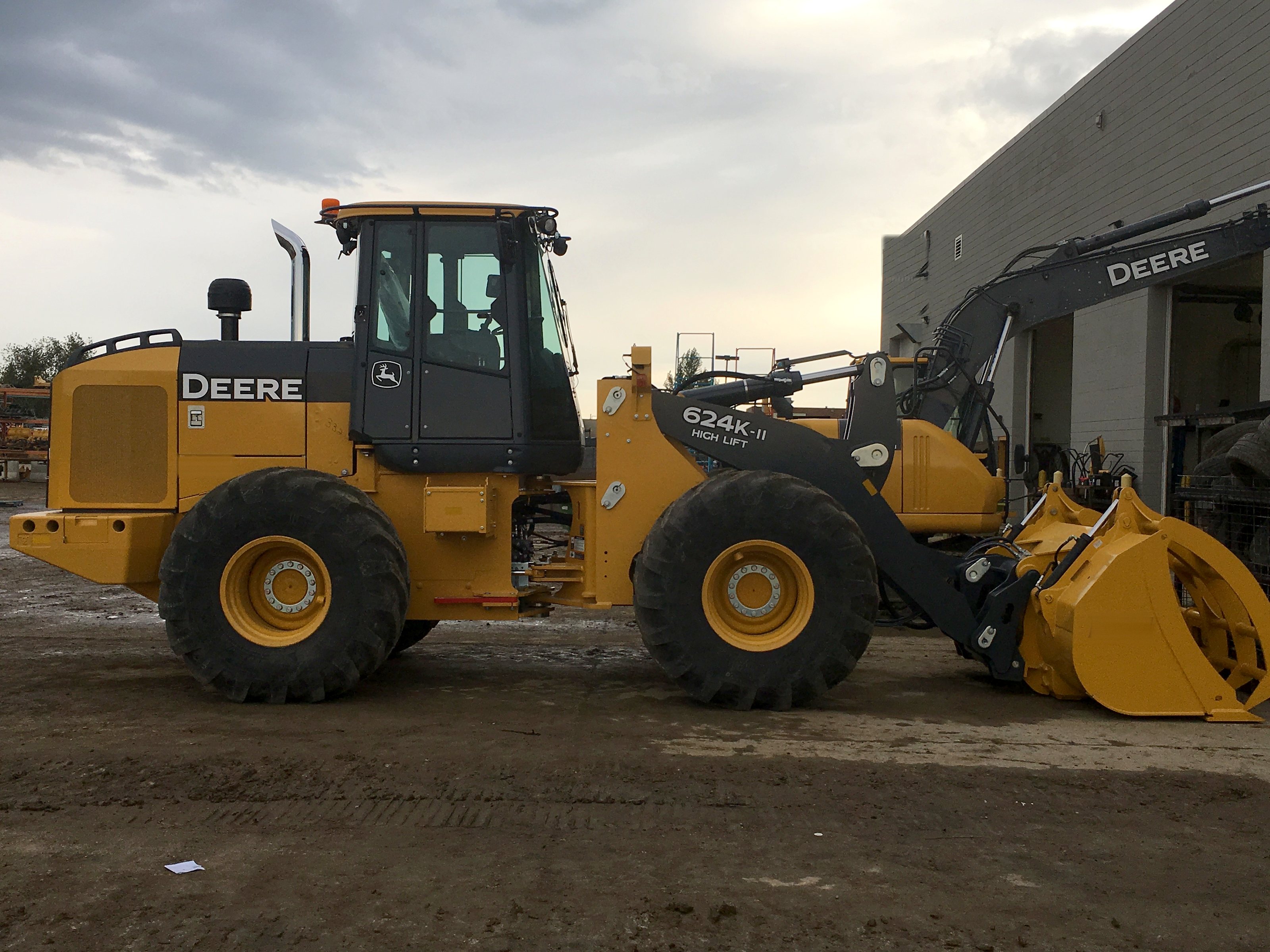
- Mine ancillary and haul. The service dozer, the loader and the rock truck. One system covers them across makes. On our own Volvo A40D rock truck.
- Yard loaders. Wheel steering, pedals and an implement joystick. On our own Caterpillar 930.
- Forklifts. Steering, the directional control, throttle and brake, and the mast levers. We do not run one ourselves; name yours and we will tell you what fitting it involves.
- Telehandlers. Steering, travel, boom and attachment controls. On our own JCB 510.
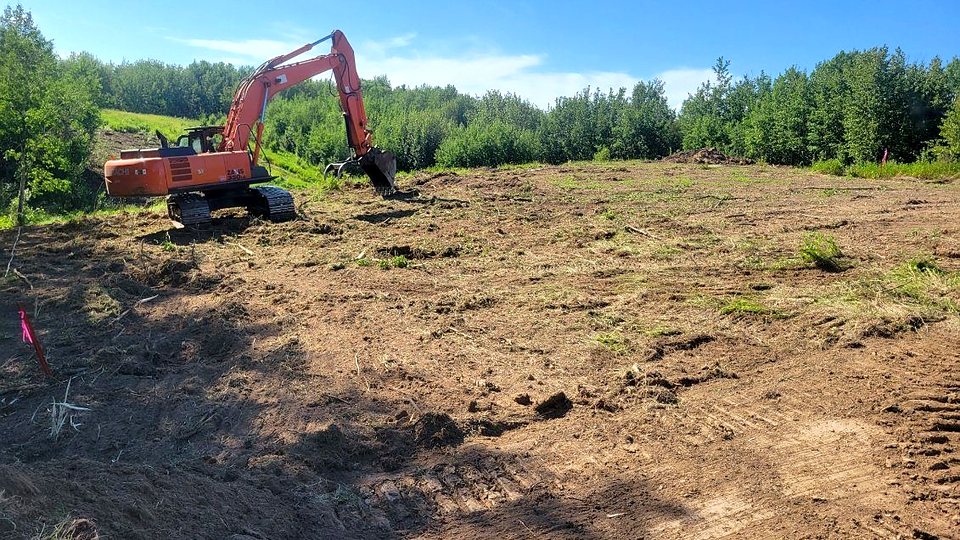
How civil sites score.
Most civil sites are private and fenced already, so the constraint, the task and utilisation usually decide it.
| Civil site | Constraint | Fixed task | Private site | No public traffic | Utilisation | Verdict |
|---|---|---|---|---|---|---|
| Mine ancillary: dozing, loading, service | Rarely | Yes | Yes | Yes | Moderate | Strong: a person out of a hazardous seat |
| Pipeline right-of-way, closed corridor | Sometimes | Partly | Yes | Yes | High in season | Assess |
| Terminal and yard materials handling | Often | Yes | Yes | Yes | High | Strong |
| Waste and landfill cell working | Often | Yes | Yes | Mostly | High | Strong |
| Hazardous-site remediation | No | No | Yes | Yes | Low | Worth it to get a person out |
| Industrial construction | Sometimes | Partly | Yes | Mostly | Variable | Assess |
| Utilities work with public traffic | No | No | No | No | Low | Refused |
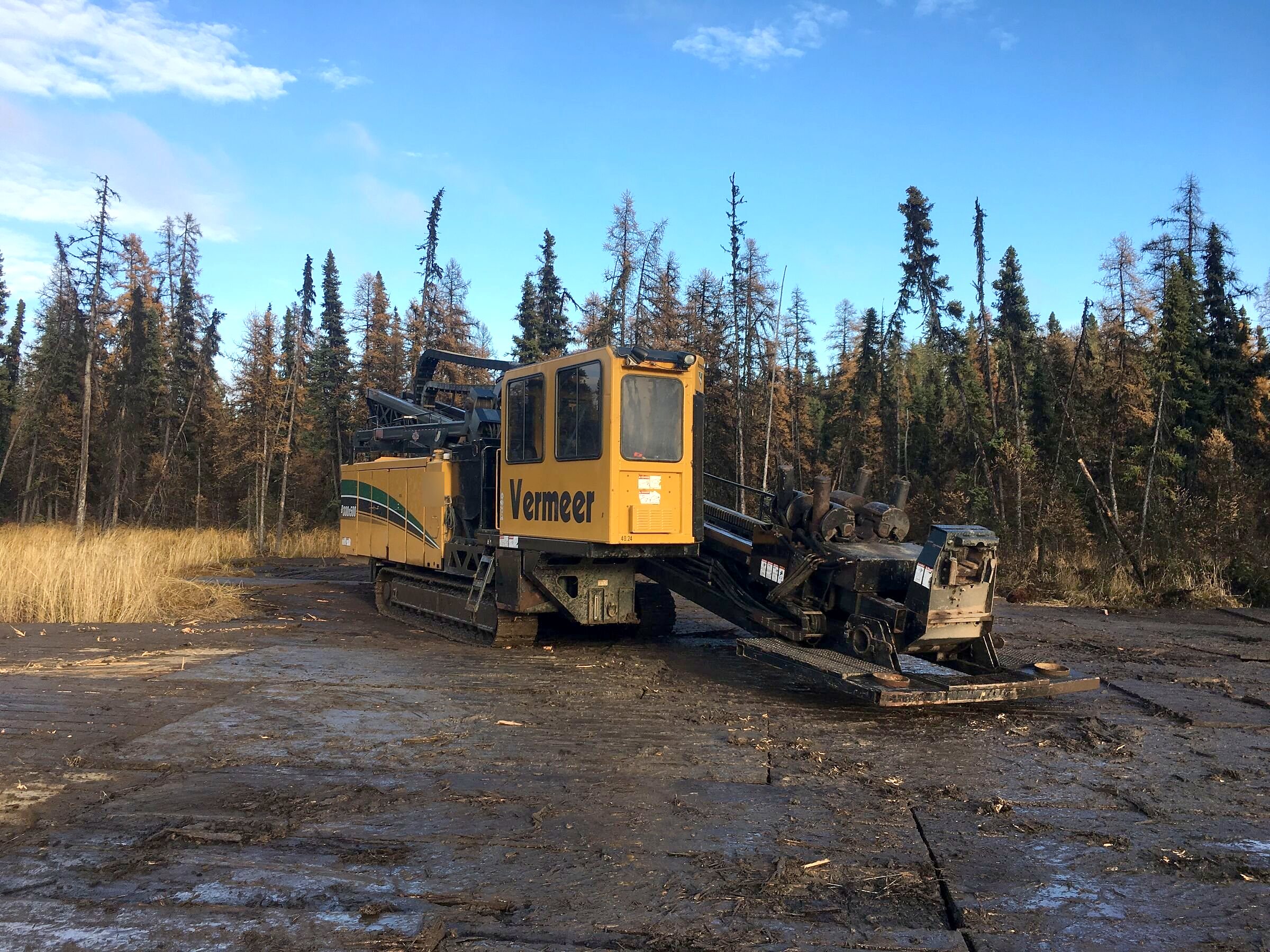
Remote ground, long days, one seat.
The drill on mats at the end of the day, Western Canada.
Where the case makes itself.
- The night shift under the light towers, and the camp job three hours from anywhere.
- The winter spread, where an empty seat idles the machine outright.
- The station over ground you would rather nobody sat on.
- Machines you already own, kept working instead of replaced.
Who we can help, and who we cannot.
- The owner of a mixed, older fleet on a spread, a yard or a mine, outside any OEM autonomy programme.
- An operation with one machine repeating one cycle, such as a yard loader or a cell dozer.
- An operation with a named hazardous station.
- An operation that wants the first job on its own ground, on its own machine, before it commits further.
- Public-road, public-traffic or third-party-pedestrian work of any kind.
- Work that needs a guaranteed production rate. We do not promise one.
- Fleets already inside an OEM autonomy programme, which is a partner conversation rather than a sale.
- Leaving Eddie fitted permanently and unattended, starting the machine, or driving it on a road.
Our own iron, on our own jobs.