
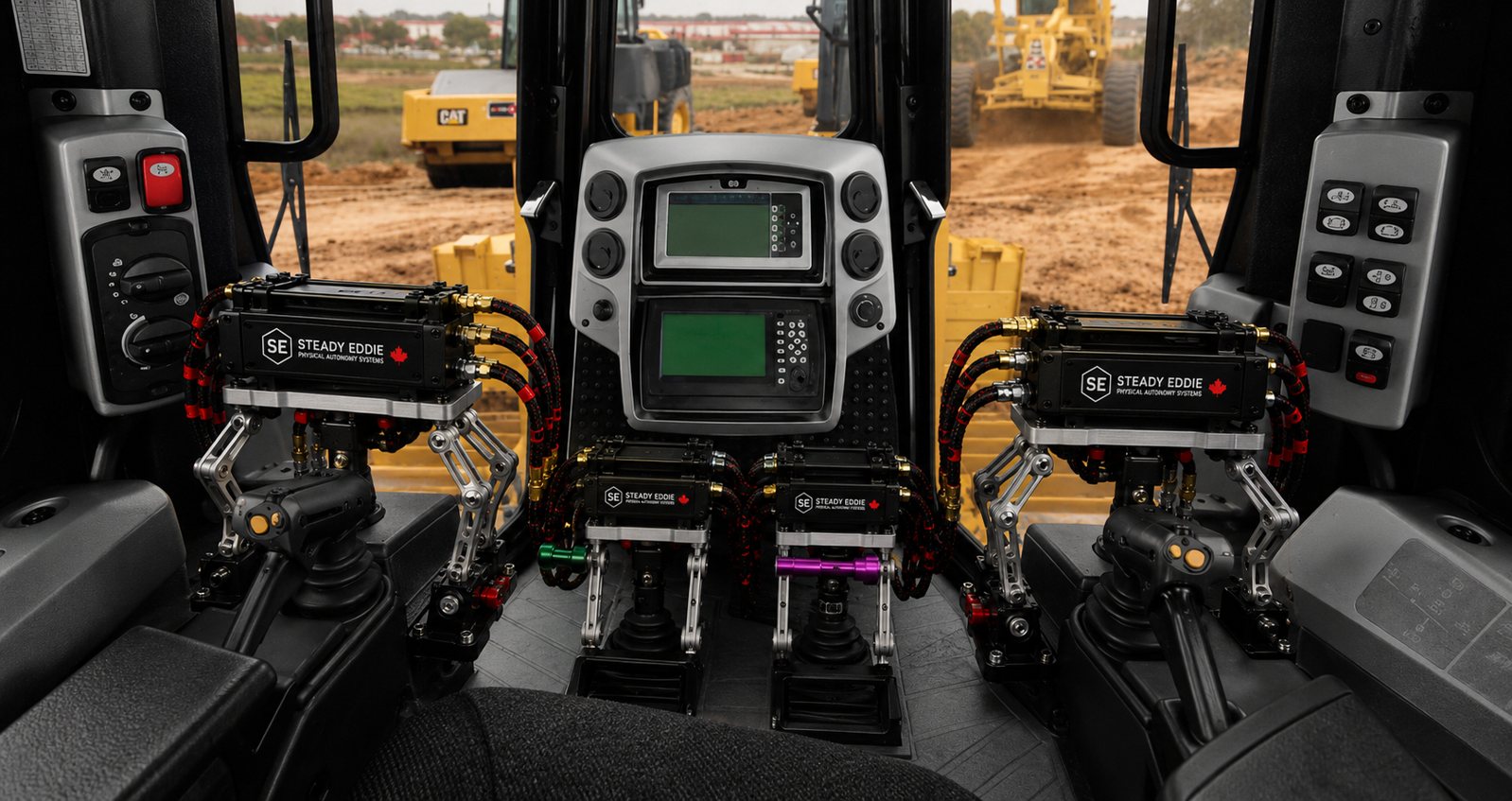
Force, simplicity, and its own air.
STE Air is the all-pneumatic Steady Eddie: compressed air on every control, with the air carried on the unit. It is the fit for heavy levers and pedals that want to be pushed hard, for cold, dust and wet, and for crews that already live with air on site and want the simplest drive there is. Engineered as its own line, beside the electric one rather than in place of it.
Steady Eddie on a dozer's steering and gear controls.
Every control, driven by air.
Air is the simplest strong drive there is: few parts, nothing delicate, tolerant of cold and dirt, and familiar to any crew that already runs air tools. Each control gets an air drive sized for it, in the same pods, on the same platform and the same dock as the hybrid. The unit carries its own supply, so nothing on the machine changes.
What the pneumatic line gives up is the fine touch of an electric drive on a light joystick. What it keeps is push, hold and a unit that shrugs off the worst of the weather.
- Heavy control levers and steering tillers
- Pedals, brakes and decelerators
- Travel levers and gear selectors
- Blade, ripper and implement levers
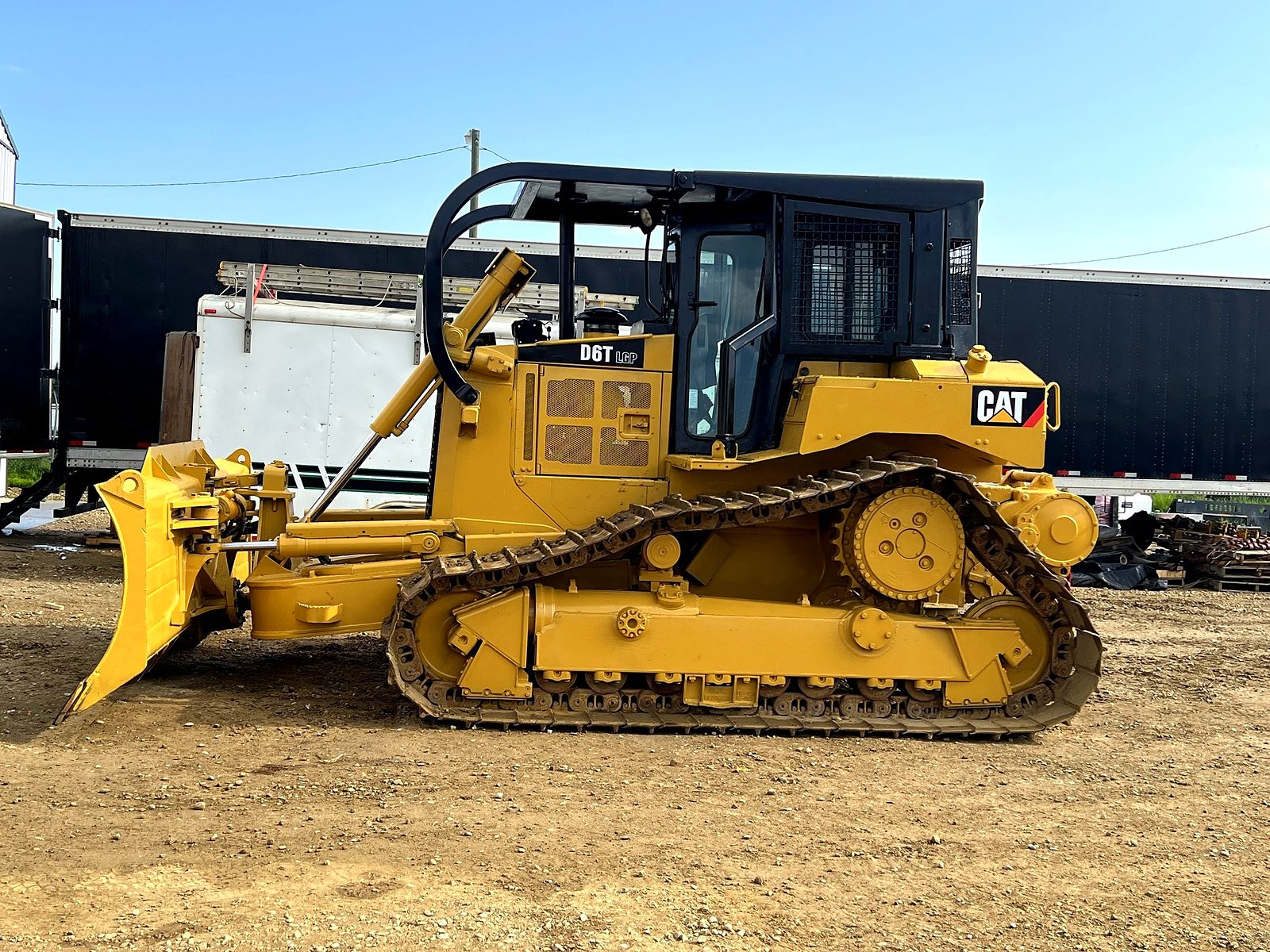
Built for the heavy end of the yard.
The group's Caterpillar D6T LGP dozer.
Choose the pneumatic line on purpose.
The hybrid is the system we recommend unless the cab or the site says otherwise. These are the three things a site says that point to STE Air.
Push and hold on the controls that fight back.
Dozers, haulers, compactors and graders have controls built for force. An air drive pushes them the way a boot and a forearm do.
Simple, tolerant hardware for hard ground.
Winter, dust, rain and mud are the normal condition on the ground we work. Air drives have the fewest parts to mind and the least to go wrong in it.
The drive a site already understands.
Where the crew runs air tools every day, the pneumatic line needs no new trade on site. Supply, lines and drying are habits they already have.
The four questions buyers ask first.
- What does it do to my machine? Nothing. Nothing is cut, no harness is tapped, no controller is flashed and no OEM software is touched. The only wire is a fused power feed.
- How long is my machine down? The first fit takes days and happens once. After that the unit goes in and out of the dock.
- Who diagnoses it at six in the morning? Your machine's systems are untouched. Its fault codes stay its own, and no diagnostic path for the machine runs through us.
- What happens when I sell the machine? The unit lifts out and the dock comes off. The machine is standard.
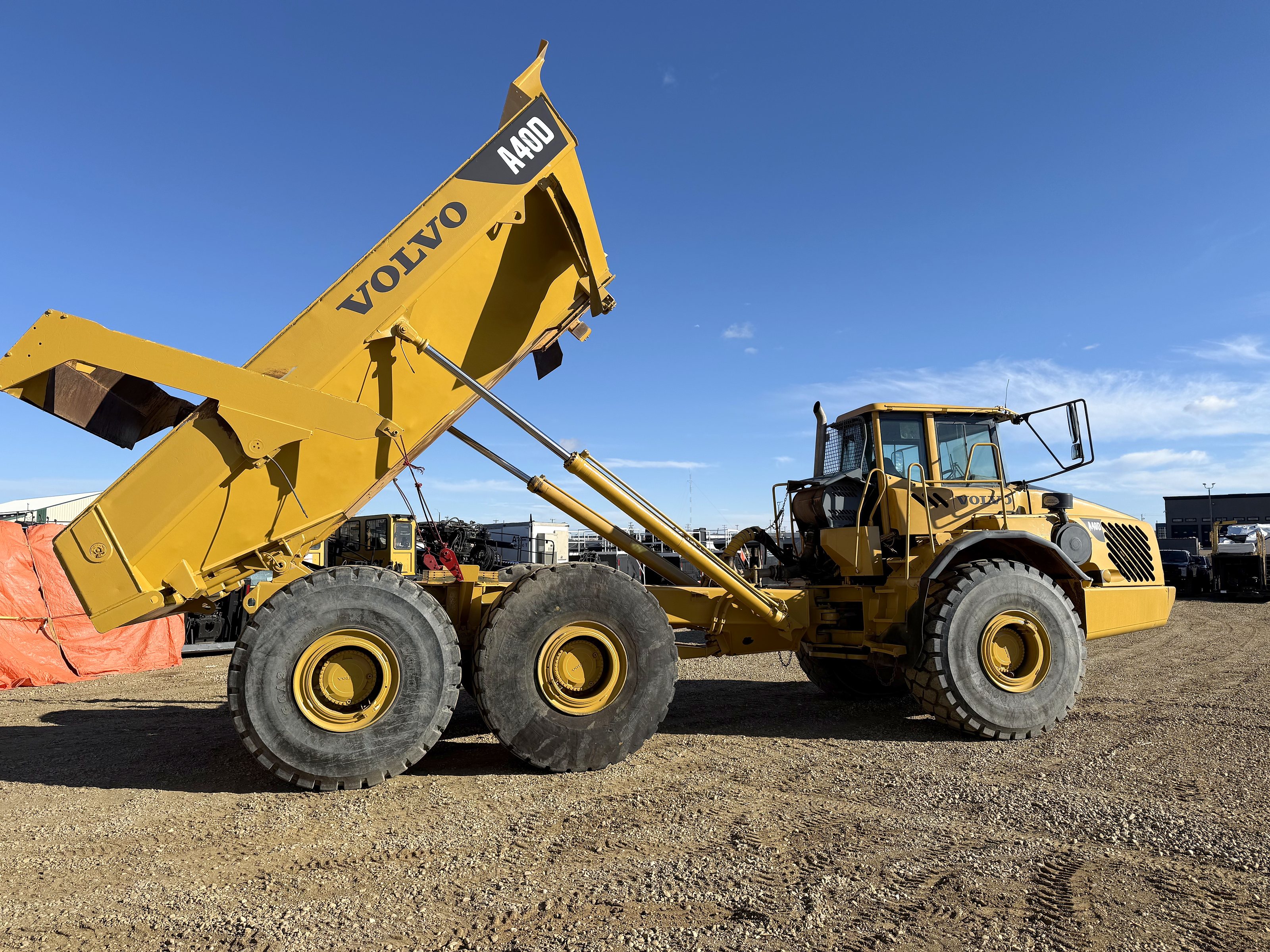
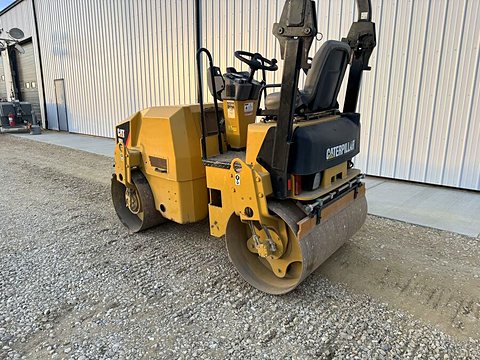
The heavy end of the yard.
The machines with big controls and bad weather, where the pneumatic line is at home.
Three ways to take control away from Eddie.
Pull the machine's own pilot control lockout lever, which Eddie raises and lowers exactly as an operator does. Pull the red manual release on any actuator, with one hand, no tool, no air and no power. Or vent the air, which releases every drive at once. Each one works without the other two, and no single failure takes out more than one of the three. STE Air's safety functions are designed against the architecture of ISO 13849 and built toward ISO 17757, the standard for autonomous earth-moving machinery. We claim no certification and no performance level; the releases are yours to try at our own Test Facility in Alberta.
Not sure it is the pneumatic line you need?
Most fleets are not, and that is why the hybrid exists. Tell us the machine, the ground and the crew and we will say which system fits, and why. The three systems, side by side.