
Teach the unit to run your machine the way you run it.
Every Steady Eddie arrives knowing how to work. STE Trainer is a kit in a case that rides in your cab, records your operator working your machine, and goes back so your unit is set up from it.
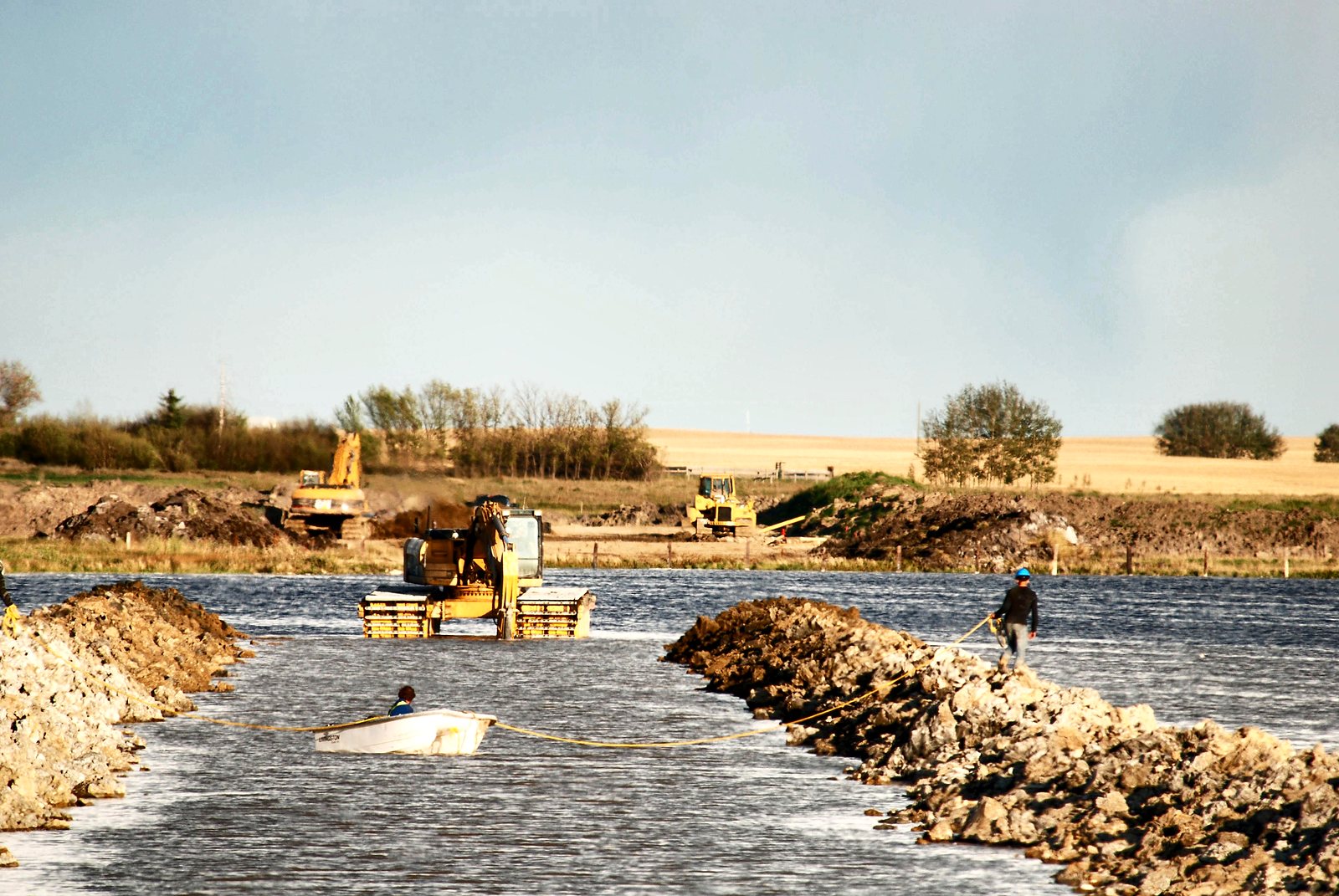
Building the causeway at Weed Lake, Alberta.
A kit in a case, clamped to the controls your operator already uses.
A machine that arrives knowing how to work still does not know how your best operator works your ground. STE Trainer records the operator who does.
It is one half of a pair. The other half is Steady Eddie, and the two are never fitted and connected at the same time.
Eddie runs on a fused feed from the machine's accessory point, so a recorder inside Eddie would be a recorder on the machine's supply. A separate case with no conductor is a fact instead of a promise, and the discipline is to prefer the fact.
Five things a person can check standing at the machine.
Teaching is a disconnected state. The boundary is physical facts about wiring, each one checked at the fitting.
- Nothing of Eddie's is connected. Eddie is out of the seat, and control units left on the sticks carry no cable and no power.
- It is wired to nothing on the machine. No splice, no tap, no connector.
- It takes no power from the machine. The case runs on its own battery.
- It adds no force to any control. The targets are passive and the grip sleeve is a sensor rather than a spring, so a lever is designed to feel as it did before.
- Its clock, its storage and its power are its own. One time base inside the case.
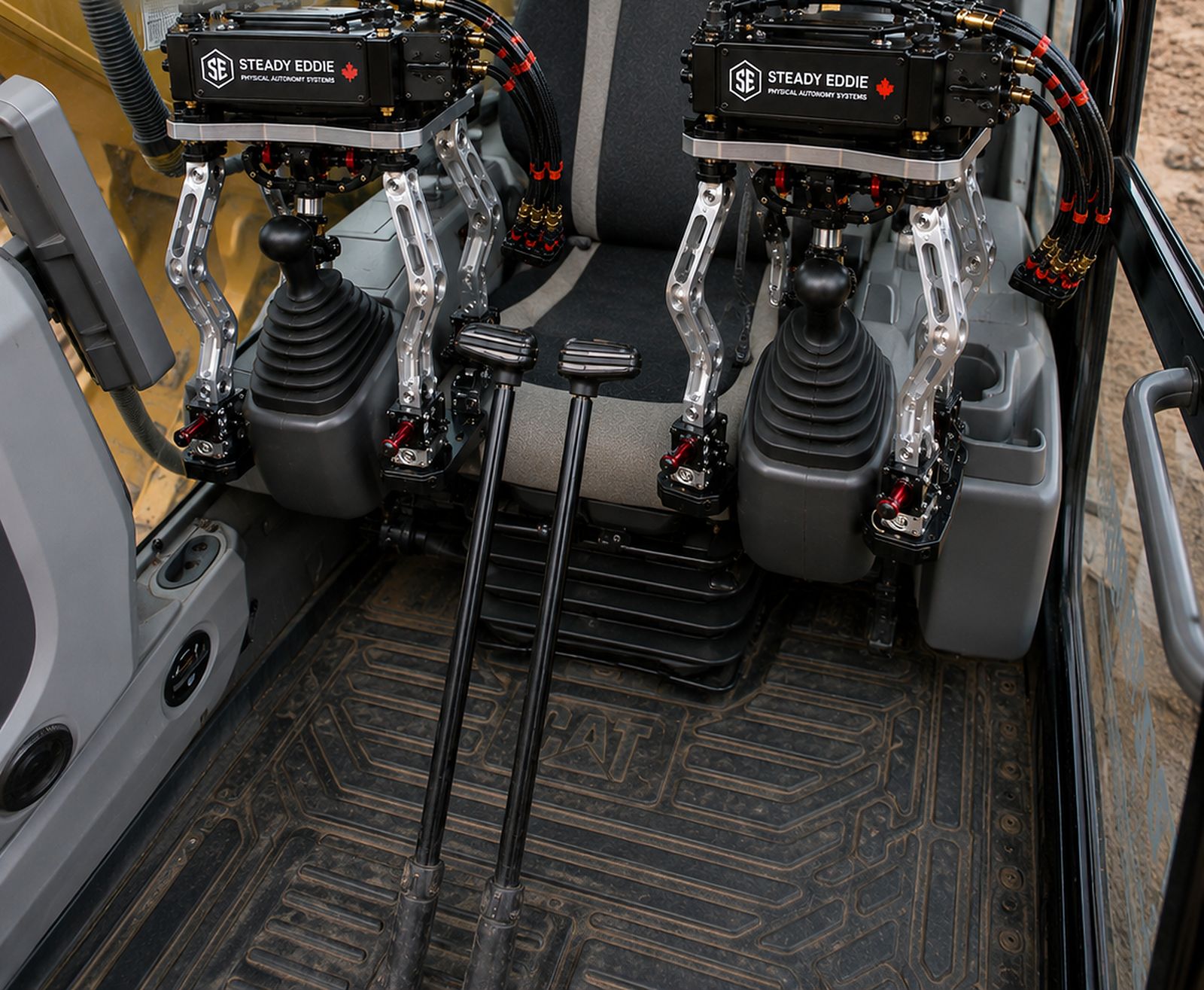
"Released" was a state software held. "Not connected" is a state a person can photograph, and that photograph goes into the record.
Your hands, the machine's answer, and your screen.
Three things, timed against one clock inside the case, because apart from each other they are not a technique.
- Where every lever sits and how fast it is moving, with the pedals and the throttle.
- Every switch on the crown, each press witnessed by its own dry contact, with none of the machine's wiring touched.
- The force at the grip, sampled faster than anything else in the case, because the moment a lever breaks from its detent is where the technique shows.
- How far each cylinder is out, how the chassis moves when you load it, and where the house is pointed.
- Two of those, how the chassis sits and where the house is pointed, are specified, and the part and the method that sense them are being settled now.
- Overshoot, settling and hunting, which make this a record of a technique instead of a log of a joystick.
- The camera frames your display and both your hands, and little else.
- The picture sits inside the same chain as the readings, so an altered picture fails the same check.
- The frame is kept tight on purpose. A camera pointed at a dash is also pointed through a windshield, and whether somebody who crosses that frame is covered by your operator's own consent is a question for the agreement rather than for the kit. Until it is answered the camera looks at the display and the hands, with the glass at the edge of the frame.
The kit comes to you. Your operator teaches it on your own machine.
- We calibrate a kit for your family of machine and ship it for an agreed period.
Sealed in its case, with a known calibration.
- It is fitted to your machine.
Brackets, targets, sleeves and the camera, clamped to the machine's own controls, with Eddie out of the seat.
- Your operator works.
They run the machine the way they always have, and each session is signed as it closes.
- The kit comes back.
The case, the sessions, the survey of your machine, and the refusals with their reasons.
- We build it and check it.
From the sessions admitted by name, checked before it goes near a unit.
- Your unit is set up from it, and then it ships.
It arrives working the way your operator works.
The fitting is also the survey. One trip records your operator and measures your machine, so your unit is built to a machine somebody put a tape on rather than to a class.
The first kit is cut for excavators.
What counts as one family is a line we are drawing now, since it decides what one training buys. The logger, the clock, the battery and the case are one design across every family.
The first kit is cut to one machine: the group's own excavator. Its joysticks, the switches on the crown, the travel controls and the cylinders. Its throttle is a console dial rather than a pedal, and the kit is cut for a dial.
Farm families follow, after a survey of their controls.
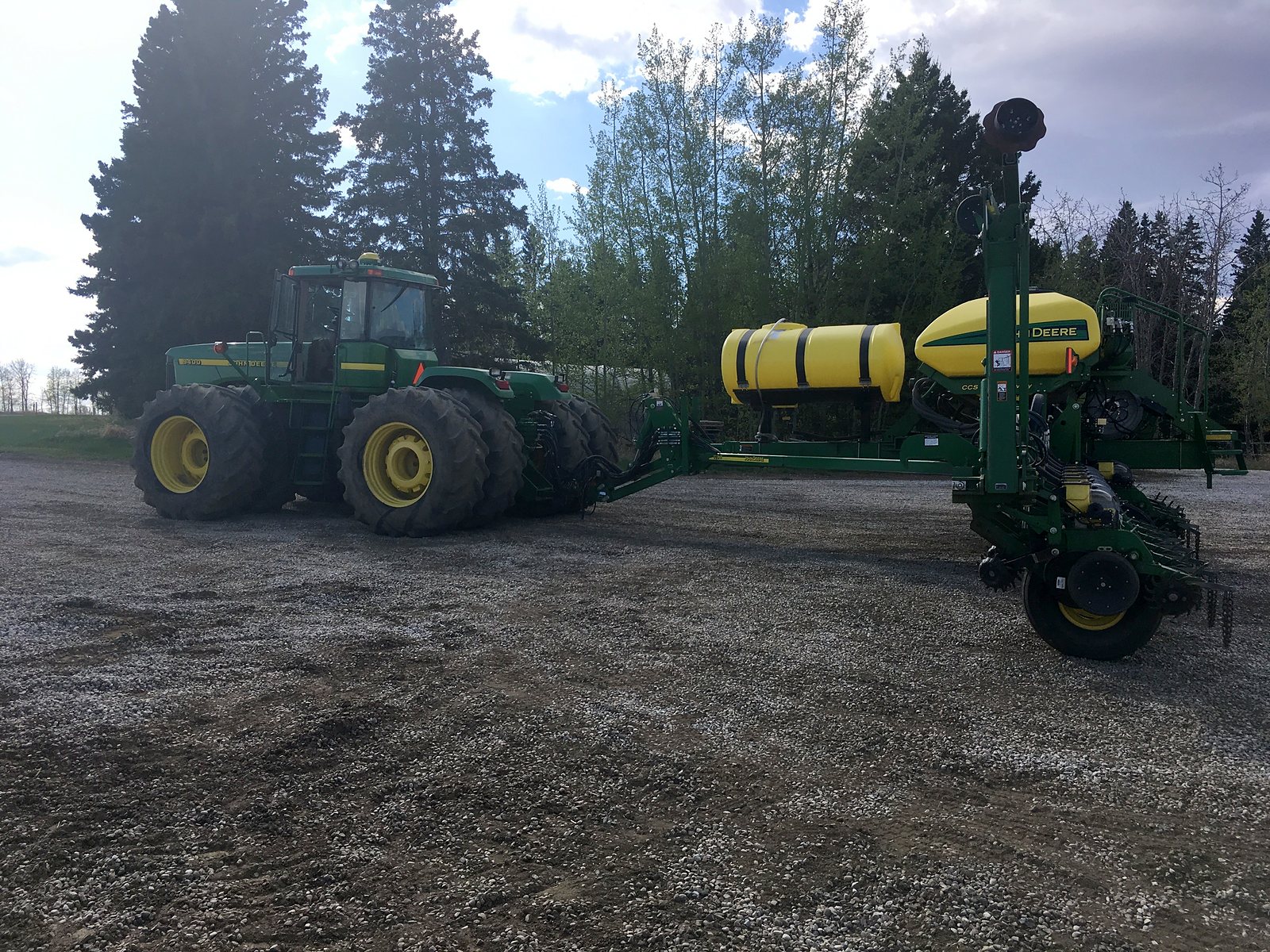
One taught way of working serves one family, recorded on one machine of it. It carries the technique; the machine is carried by Eddie's daily calibration.
The list of things it cannot do is longer than the list of things it can.
Each line is a property of the kit rather than a disclaimer.
- It cannot move a machine, or any part of one. There is no actuator in the kit and no conductor to one.
- It cannot stop a machine. It is neither an interlock nor a guard, and no safety case may rest on it.
- It cannot read the machine's own electronics. It reads the dash by looking at it.
- It cannot make a machine faster. We make no productivity claim for it.
- It cannot grant authority to anything. Admitting a session grants that session nothing, and nothing moves until a person says who is driving.
- It cannot decide whether a capture is good enough. It measures and declines to judge.
STE Trainer has no authority of any kind: nothing it produces reaches any control path, in any mode, ever. STE Safety has the rest.
One is a kit you borrow. The other is a name you hire.
The same kit makes both recordings. What differs afterwards is whose way of working it is, who owns it, and who is paid.
How an owner teaches a unit to run a machine the way they want it run. It is fitted, it records, it goes back, and what it captures stays theirs: their machine, their operator, nowhere else.
A named operator's way of working, licensed for your job under their name, and paid for by the hour.
An owner who only wants their own machines running their own way needs the first and never the second. What Name Hire is, and how a unit is taught.
Where this stands.
The first thing you are told, because everything after it depends on it.
STE Trainer is designed, specified and written down. The first kit is cut for the excavator family. The first recordings will be made on our own machines at our own Test Facility in Alberta. The engineering behind the kit is written down in full and your safety people can read all of it. A session records who was in the seat and the agreement that covers them, and a session is refused when that agreement was not live at the time it was made. Before the first taught unit ships we owe ourselves one comparison, that a way of working recorded on a machine with no unit fitted runs true through a fitted one. We would rather you read that here than find it out for yourself later.
For the operator, the owner and the people who can say no.
You work the way you always have, and no lever feels different. The camera looks at your display and your hands, with the glass at the edge of the frame.
The kit comes to you cut for your family of machine, it goes back, and your unit is set up from it. What comes out is yours and goes nowhere else.
It cannot move a machine or any part of one, and no safety case may rest on it. While it records, nothing of Eddie's is connected.