
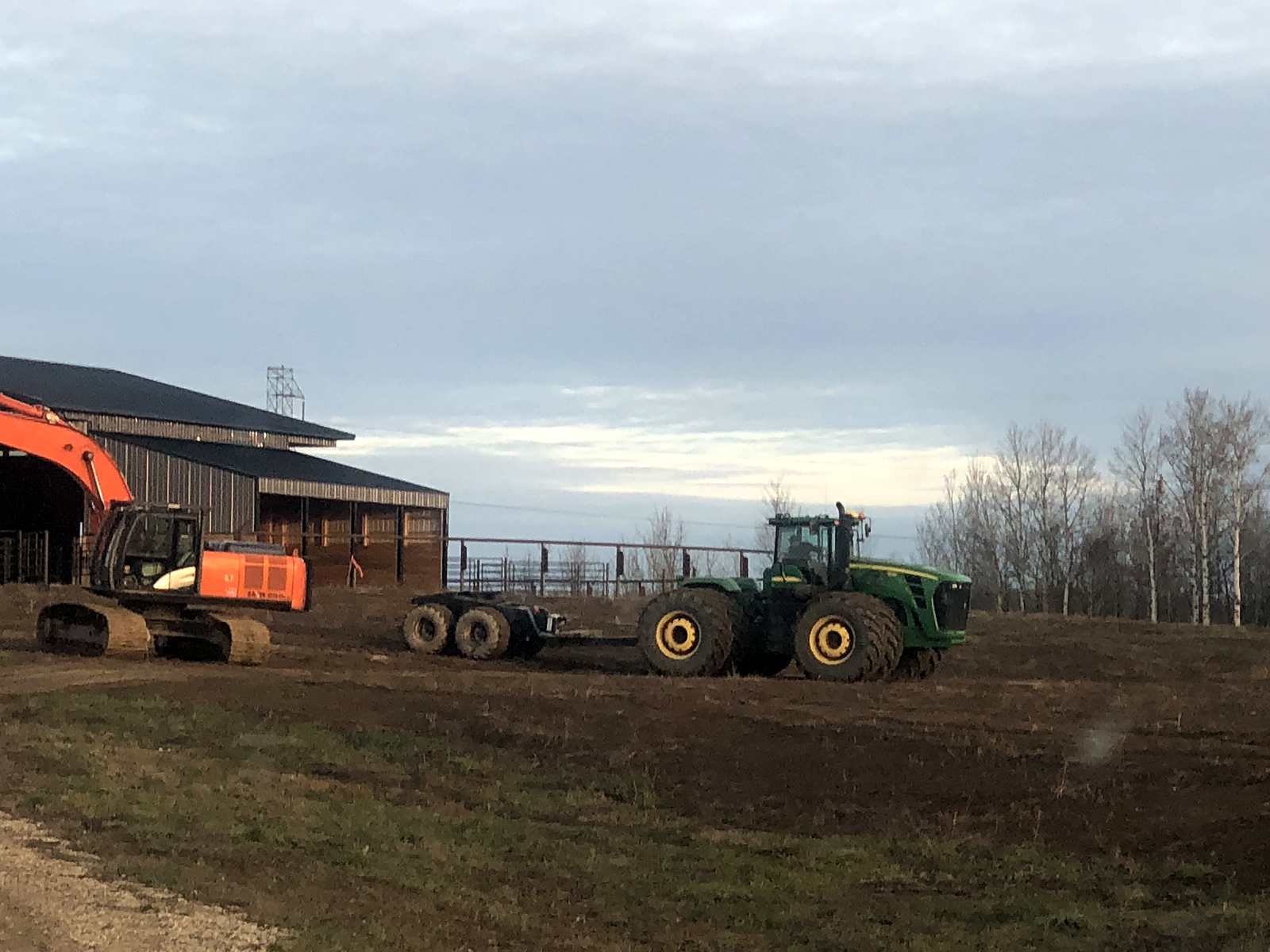
Drop in an operator. Lift it out when the job's done.
Steady Eddie is a removable robot operator. It sits in the seat and works the machine's own controls, so a tractor or an excavator you already own can be run by software with nothing cut, wired or reprogrammed. When the job is done it lifts back out and the machine is standard again.
Expected release Q2 2027
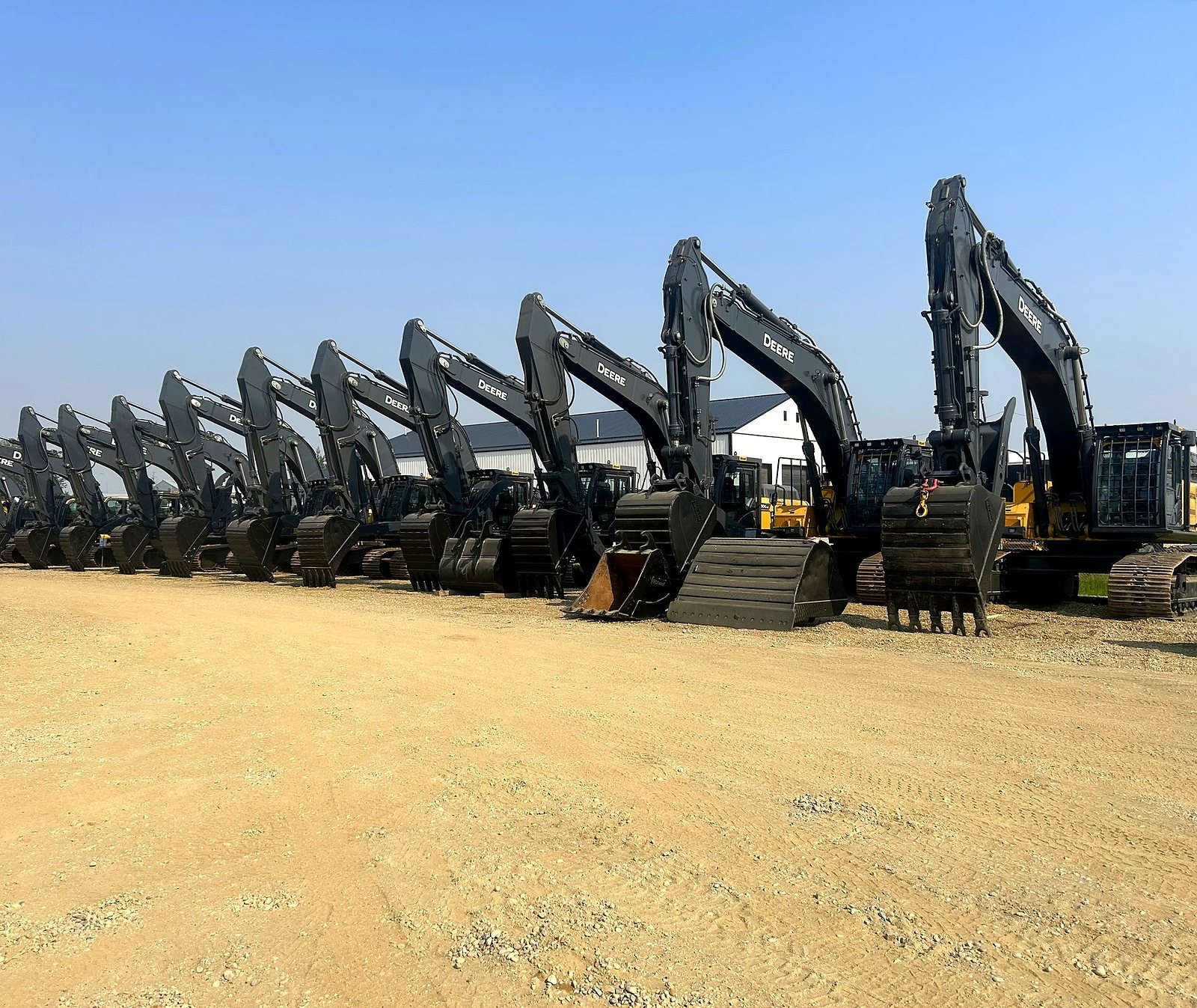
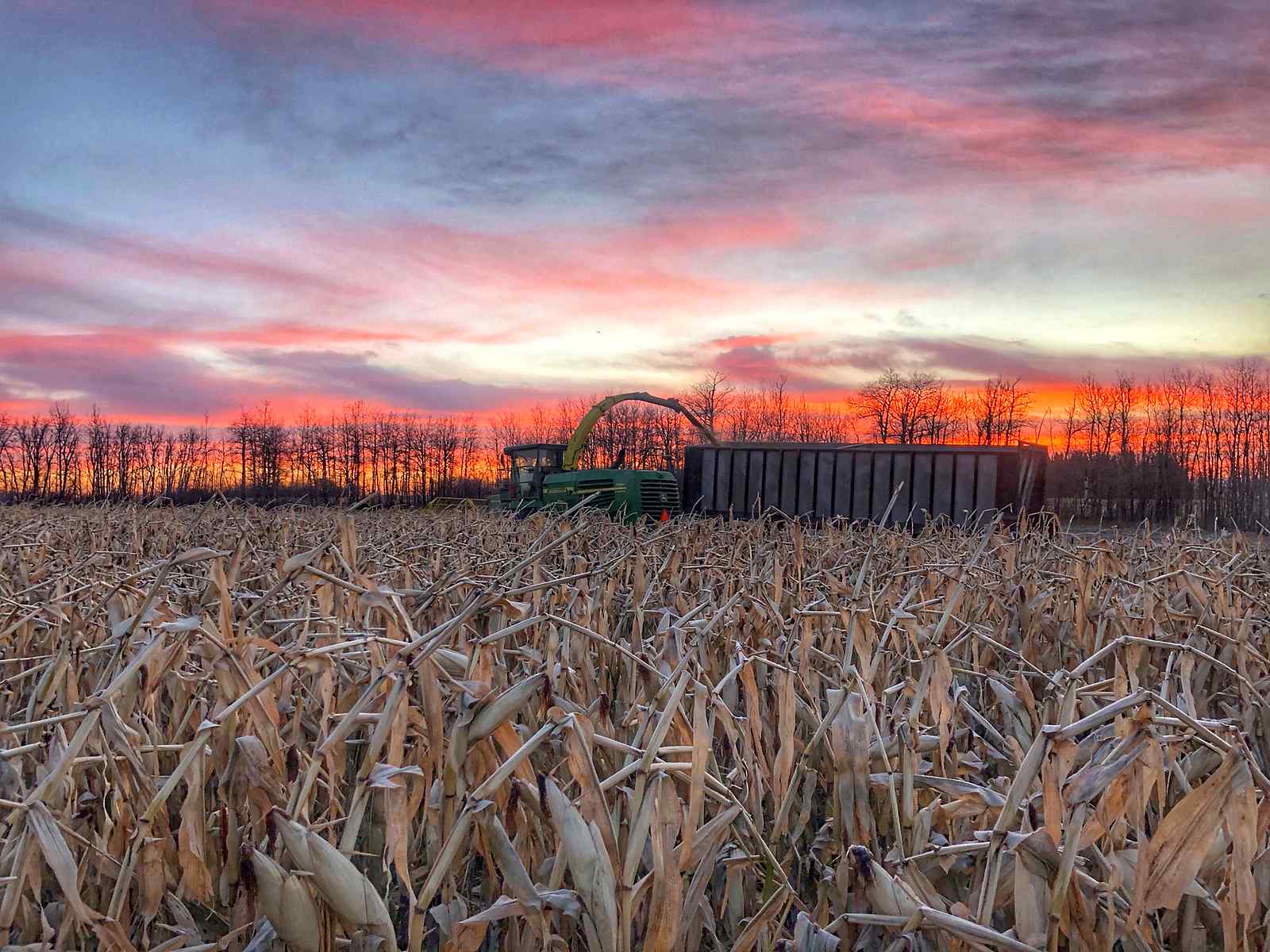
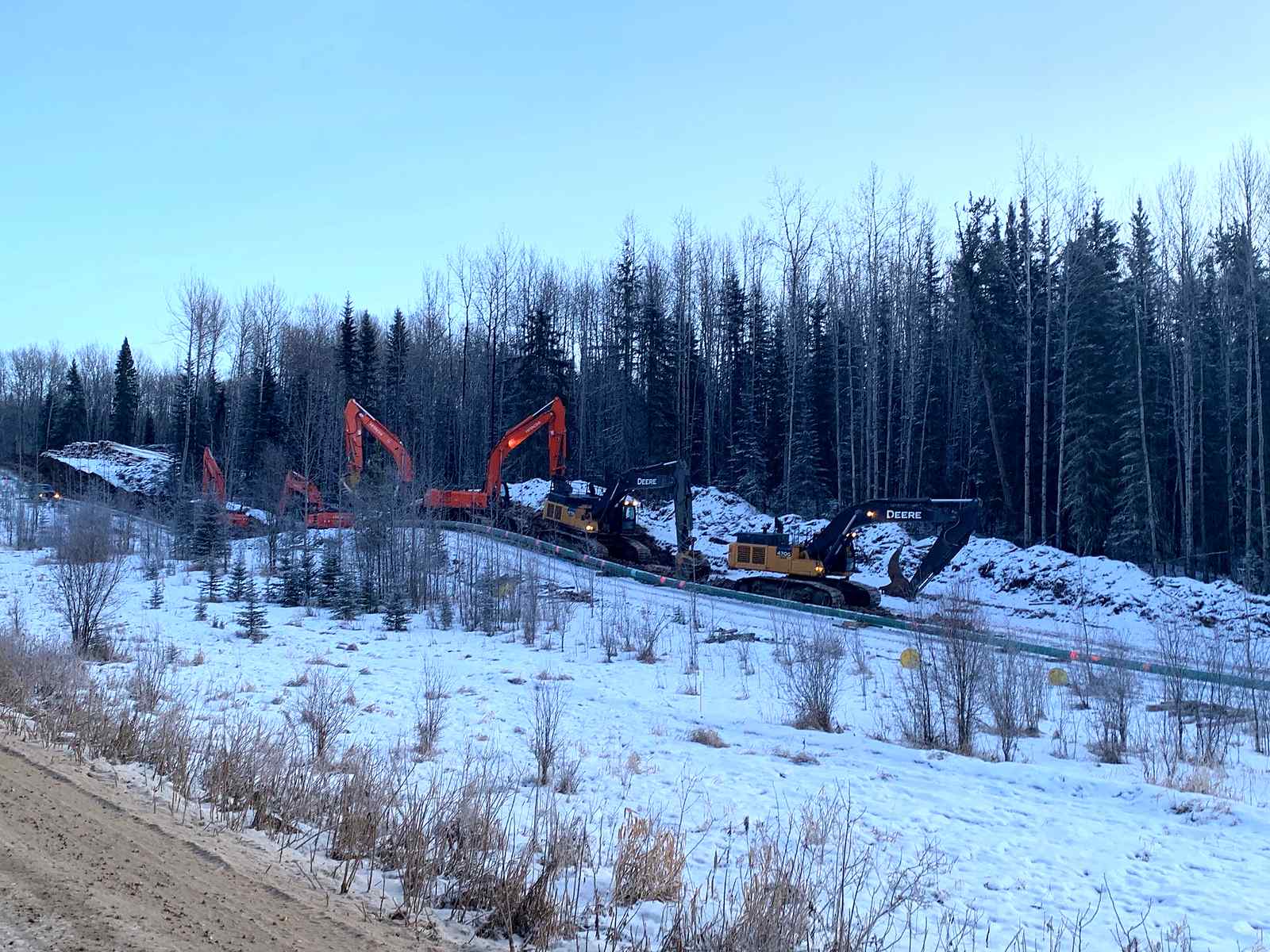
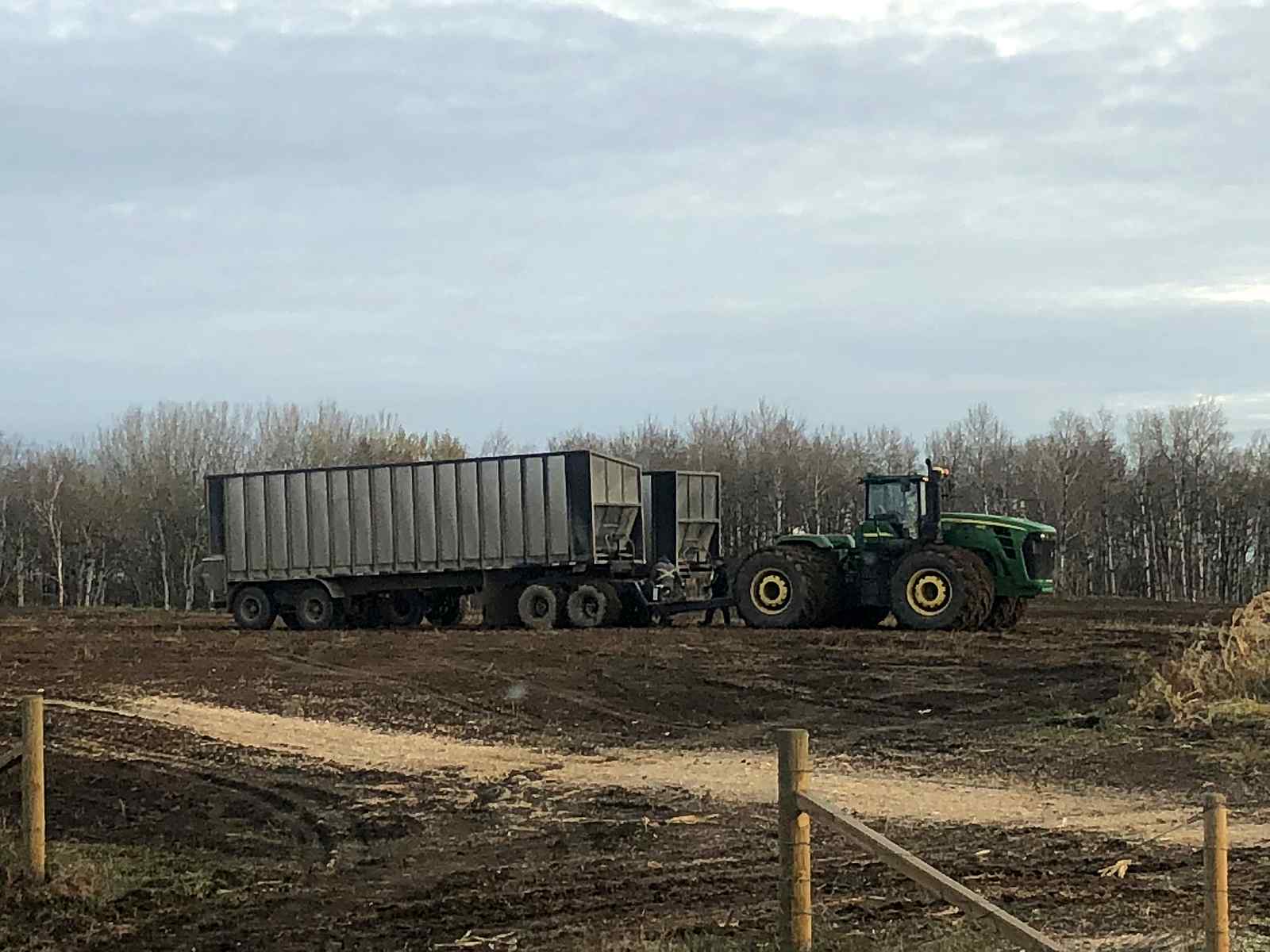
The group's own machines, Western Canada.
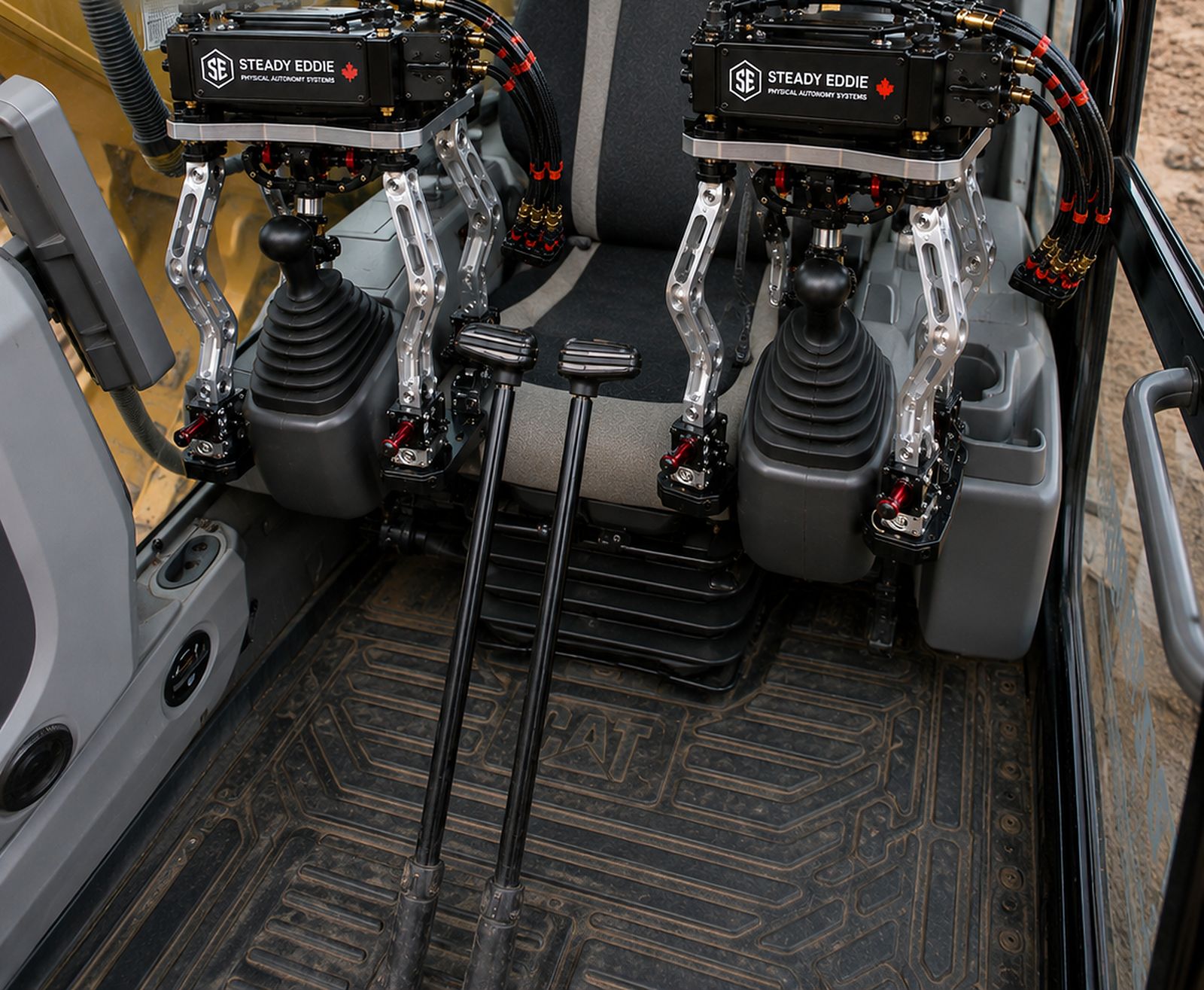
Two control units in the seat, on the machine's own joysticks.
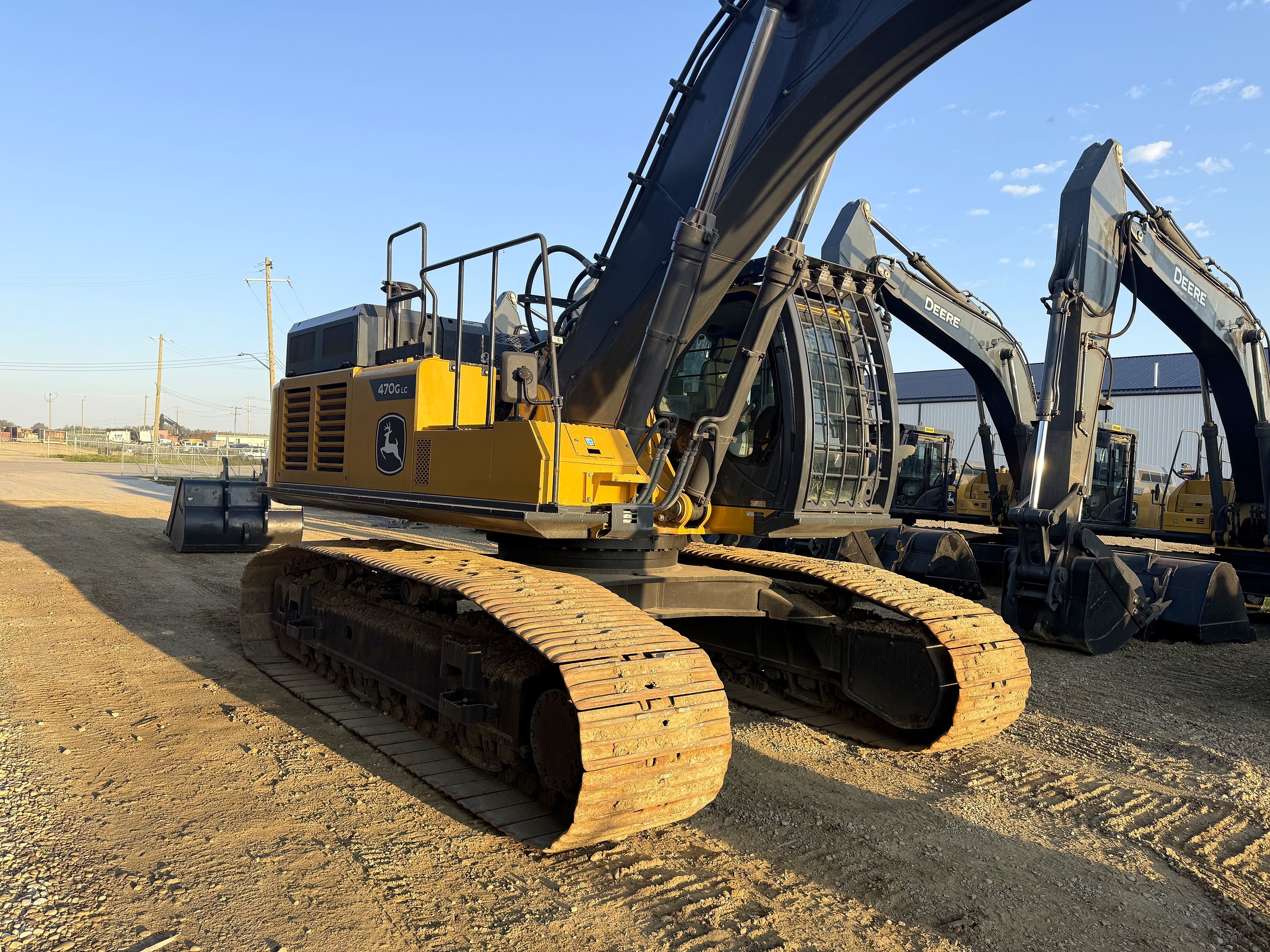
The two control units in this cab work the excavator's own joysticks, the ones the manufacturer fitted. Nothing is cut, nothing is wired in, and the units lift straight back out.
STE Integrate in an excavator cab.
Never onto the machine's CAN bus. Never into its ECU. Never its firmware.
Eddie does not plug into your machine. It works the joysticks, levers, pedals and switches the manufacturer put in the cab, and it reads the dash by looking at it. Eddie's own actuators and safety controller run on wiring of their own, and none of it touches the machine's.
The only wire between Eddie and your machine is a fused power feed from the accessory point. There is no integration work to pay for, no new fault codes in your shop, and nothing to undo when the unit comes off.
What that means for your fleet.
Your machine stays stock.
No harness tapped, no controller flashed, no OEM software touched.
Its safeguards keep working.
Everything the manufacturer built into the machine is still there, still doing its job.
Older iron counts.
If a person can work the controls, Eddie can work them. Your machine does not need electronics.
It comes off.
The dock stays, the unit lifts out, and the machine is standard again.
One unit moves between every docked machine in your yard.
You do not buy a different unit for every machine. A dock is fitted once at the operator station and stays with that machine. The unit sets into it when a seat needs filling and lifts out when it does not.
You fit Eddie yourself, following our instructions: the dock at the operator station, the control units pinned to the machine's own controls. Then you tell the software what kind of machine it is, and Eddie calibrates itself. It works each control through a set of steps and learns where neutral sits, where the limits are, and how the control comes back when it is released. It does that every day it works, because an old machine's controls wear and no two machines are alike.
- A dock, fitted mechanically, once, into points the manufacturer already provided.
- A unit that drops in, works the shift, and lifts out.
- A fit-up by you, and a calibration Eddie runs itself, every day.
One operator, and everything that goes with it.
Every product on one page, with where each one stands: one unit is built and cycling on our own machines, and the rest are designed, specified and written down. The short version is below.
STE Integrate, STE Precision, STE Air.
Same seat, same dock, same red release on every actuator. Hybrid is the one we build today.
STE TrainerYour operator teaches it, on your own machine.
Designed as a kit in a case that rides in the cab and records. Nothing of Eddie's is connected while it does.
Site IntegrationFive tools for everyone who is not in the seat.
A hold a person can carry, the zone the machine is designed to watch, lights and sound, the other cab, the roster.
STE Site ForemanThe job is cleared before the machine is.
Define, ground, clearance, prove, record. Every step closed by a named person.
Name HireHire the hand nobody else has, by the hour.
A named operator's way of working, licensed for your job, with the operator paid for every hour.
Before you buyWhat a seat costs, and what an empty one costs.
Added up from published figures with the day we read them, and then with your own numbers.
Machines you own, and seats you cannot always fill.
The group's machines, Western Canada.
Four reasons owners call us.
- Get people out of dangerous seats.
Under a highwall, pushing tailings, on contaminated ground, on a night shift under light towers. The value here does not depend on how fast the machine works.
- Keep good iron working.
A machine with service life left and no operator is a machine you would otherwise replace at new-machine prices.
- Automate the jobs that suit it.
Earthworks, load-out, a repeated cycle on a private site. Roadworks beside public traffic is the first job we turn down; the rest is on each sector page.
- Take it off when you are done.
The unit moves to the next machine. When you sell or trade this one the dock comes off too, and there is nothing to explain to the buyer.
Our own machines, on our own ground.
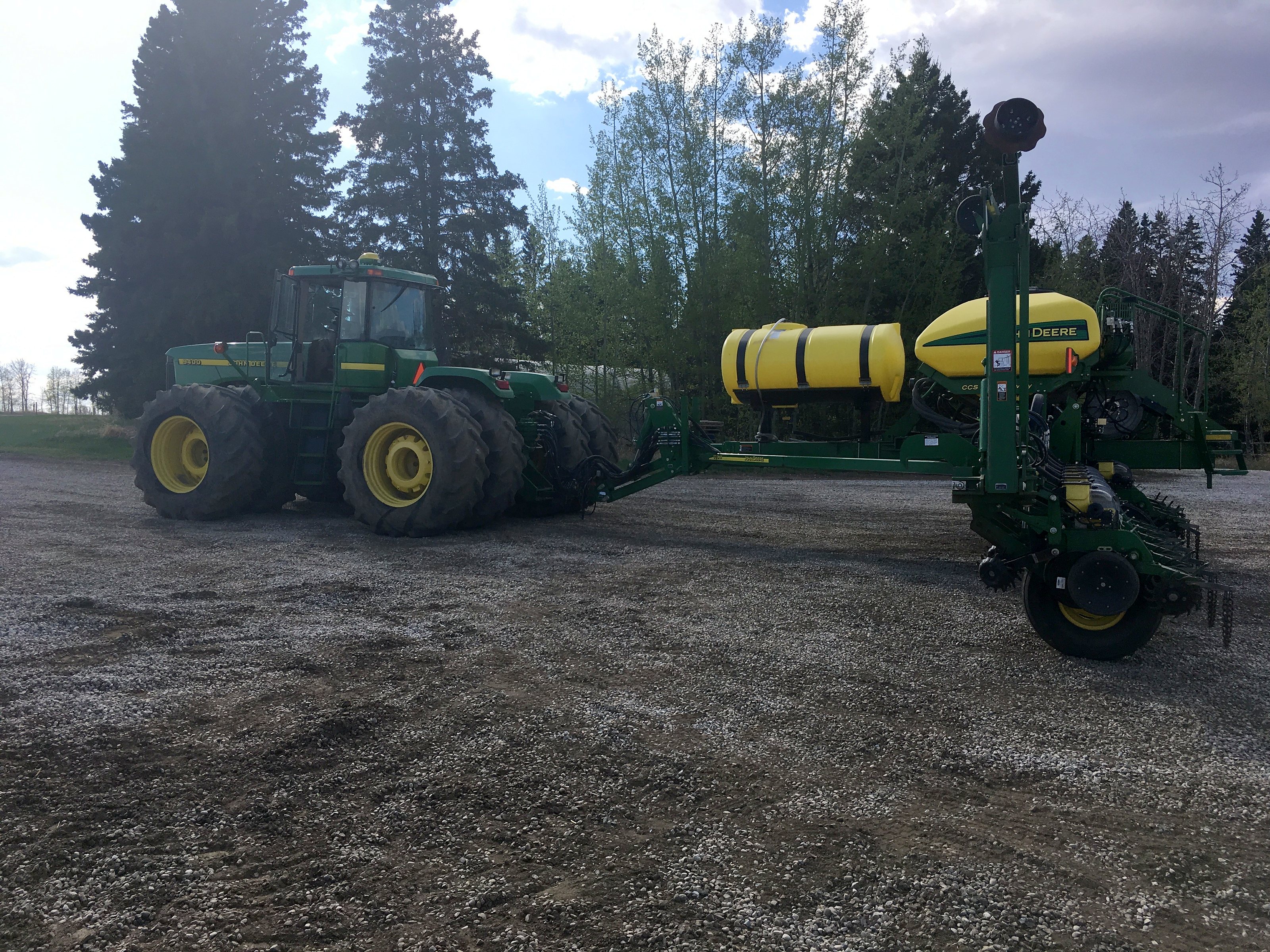
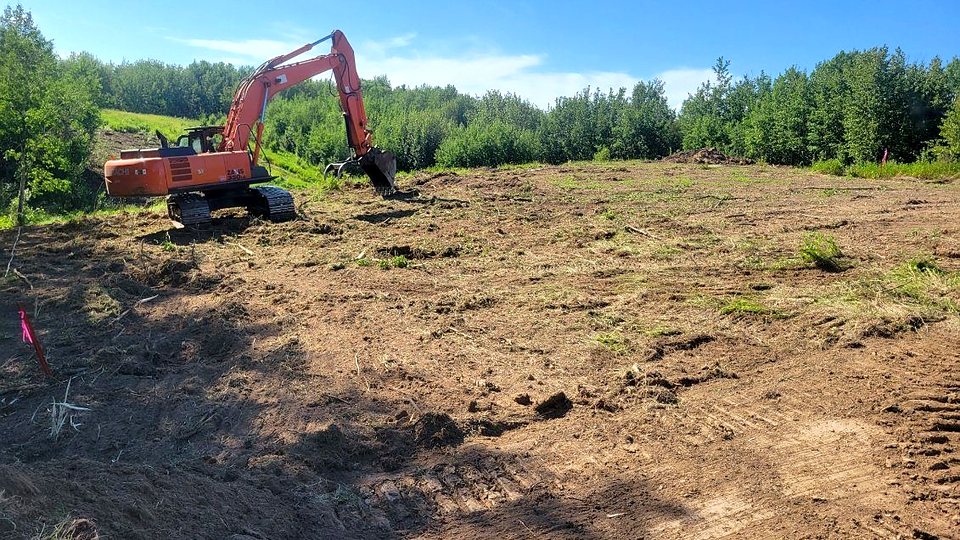
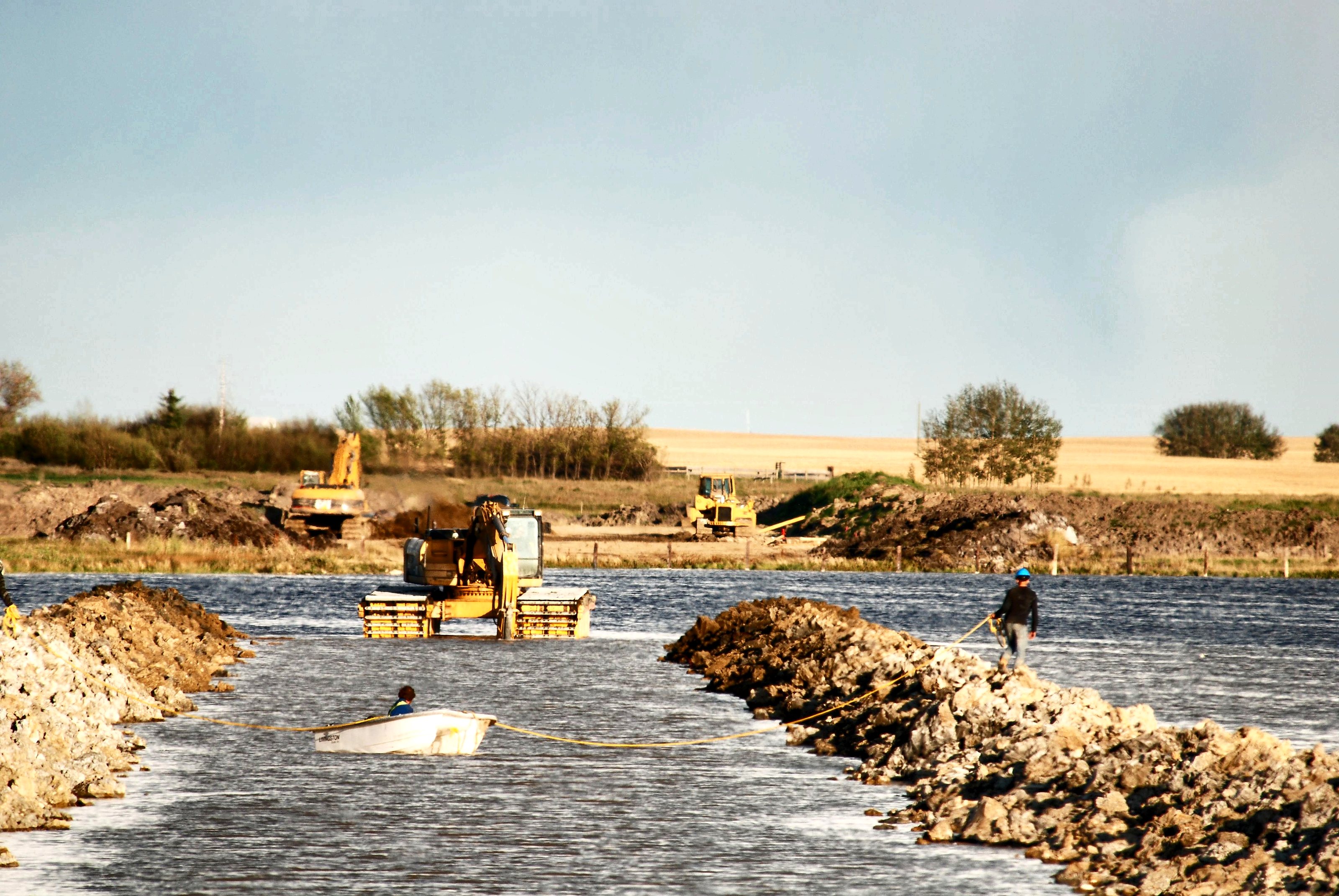
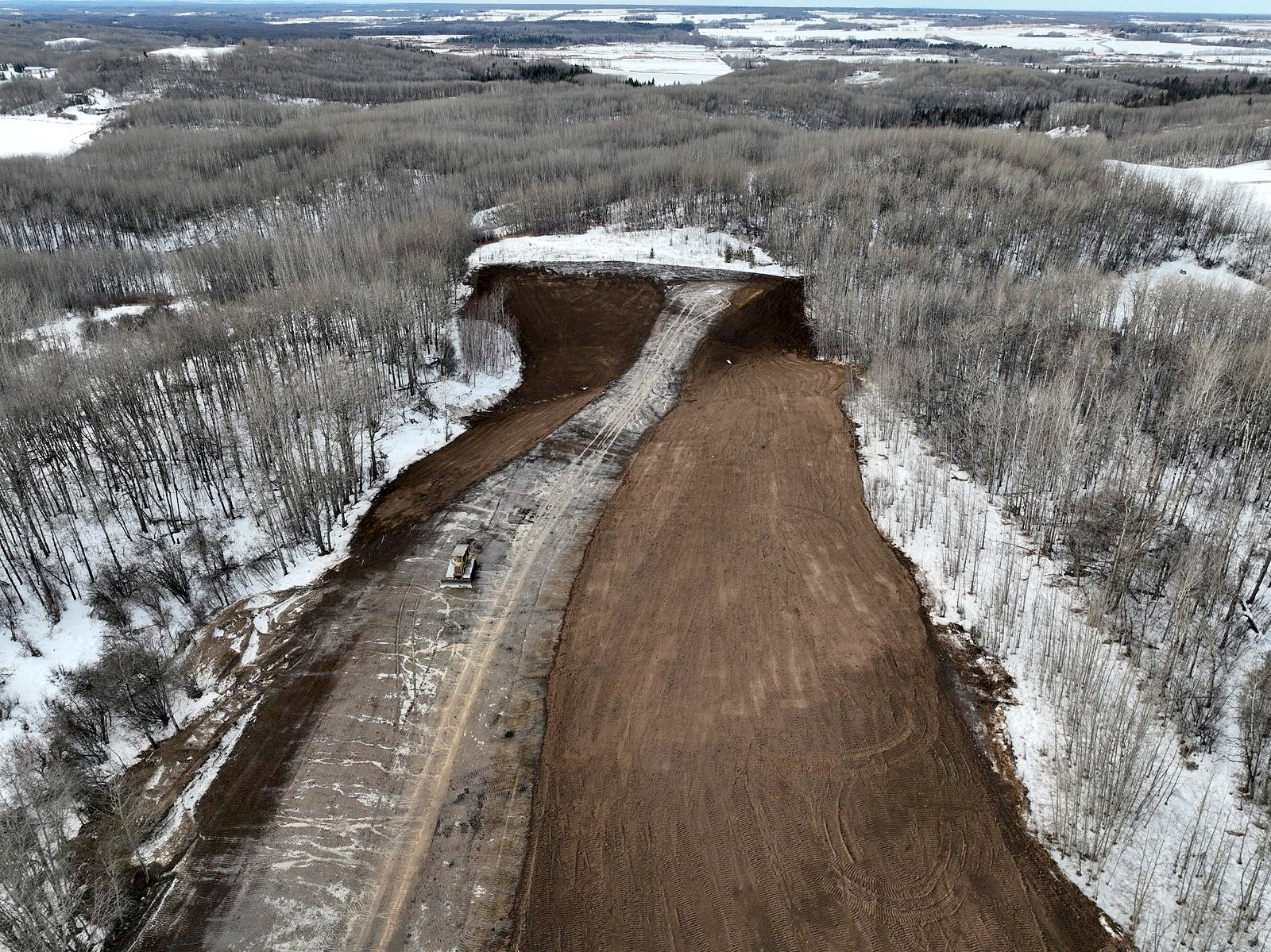
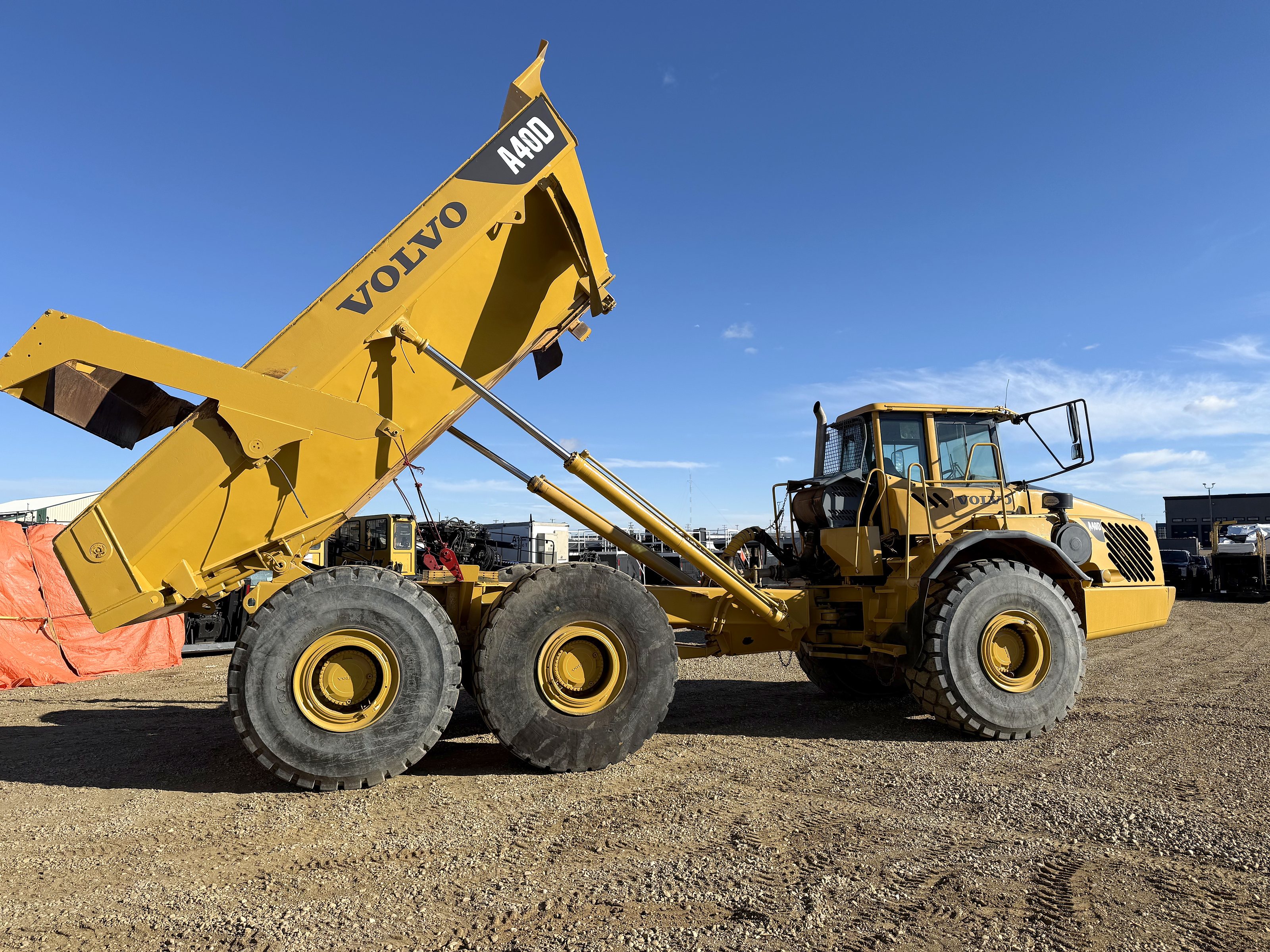
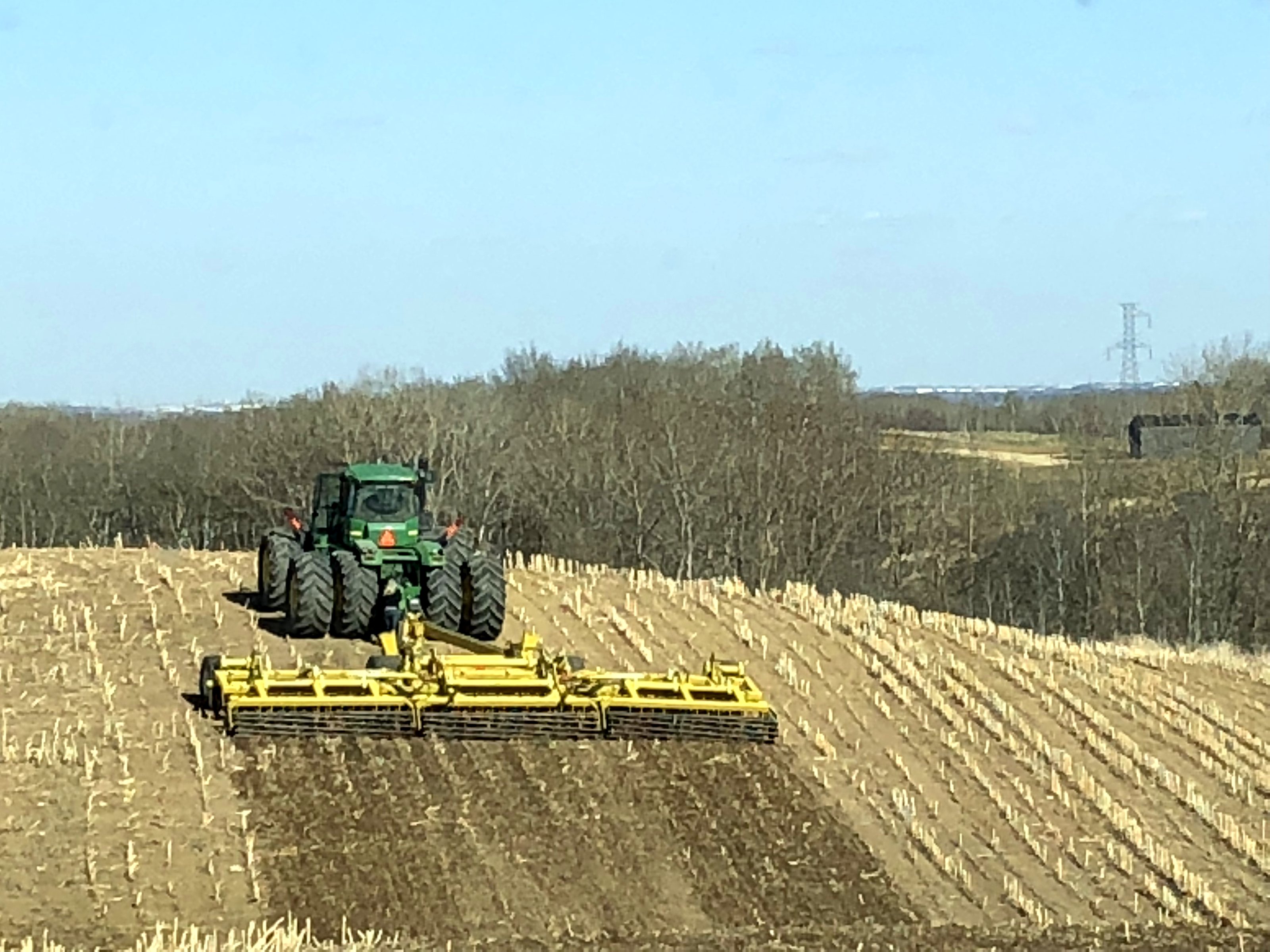
Fourteen machines on the trial list, at our own Test Facility in Alberta.
STE Integrate is built on fourteen machines in eleven families: excavators, a dozer, a skid steer, tractors, a combine, a backhoe, a telehandler, a compactor, a rock truck, a wheel loader and two directional drills. One system, on ground the group owns, with crews the group employs.
Bring us a repeating job on a private site, or ask to see the machine working at our own Test Facility.
Where Eddie works.
Each page below scores its typical sites, and says who we can help and who we cannot.
Construction and earthmoving.
Excavators, dozers, loaders, backhoes, compact machines and compaction. Earthworks first, then load-out.
CivilEnergy, mining, yards, waste and remediation.
Night, camp and winter shifts on private ground.
AgriculturalSeeding, silage, feeding and harvest.
Private land, where the seat problem is seasonal.
First RespondersFire, rescue, hazmat and disaster response.
Flood and wildfire earthworks, rubble and route clearance: the seats an agency should not have to fill.
DefenceDefence field engineering.
Field engineering on ground where a person should not sit: earthworks, berms, obstacle and route clearance, remote handling. Enquiries are screened.
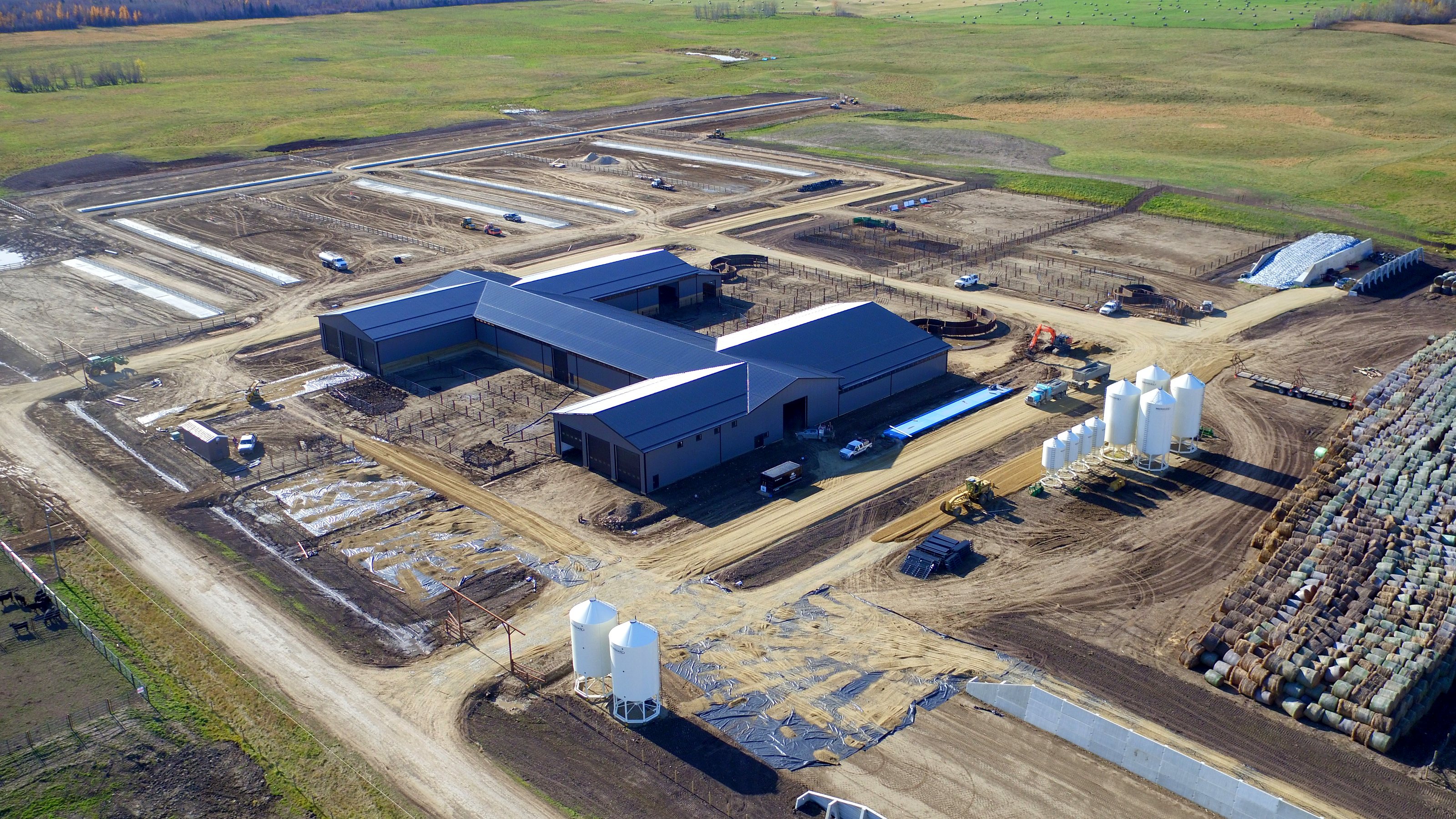
The seasonal seat is the one a hiring cycle cannot fill.
Seeding, silage, harvest and the feedlot, on private land, with a window that does not wait.
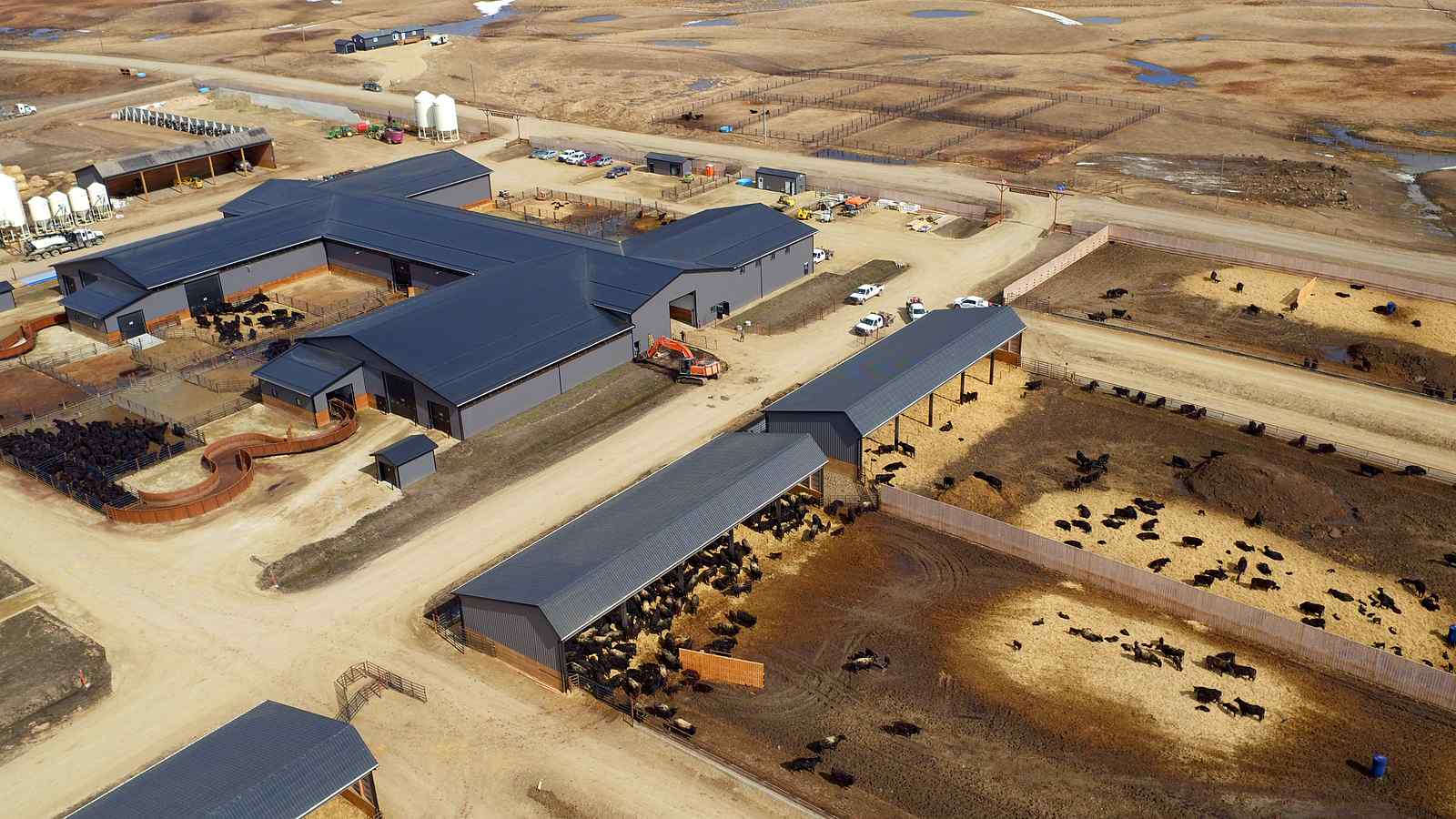
The ranch and the feedlot from the air, autumn.
Thirty years of running heavy equipment sits behind this.
Steady Eddie is a standalone division of Sustainable Infrastructure Group Ltd. (SIG). The group's operating companies work heavy equipment on real ground in Western Canada, and Steady Eddie is engineered and built at the group's own facility in Northern Alberta, a full plant with its own machine shop and fabrication. Engineered in Canada. Built for the World.