
The device in the other machine's cab.
It is not an instruction. The unit reports its own state, and the driver keeps every decision.
The one tool aimed at somebody who is not an operator of ours at all: the driver of the truck backing in to load out. It is designed to give that driver a display of what the unit is doing and a button to ask it to stand down. A set order of moves for the load-out is designed to stand in for the eye contact, the wave and the tap on the horn two people used to trade.
What it is designed to do, and what it does not do.
Read the second list first. The design holds only while a driver keeps every decision they had before it arrived.
- Show the machine's own state. The display is designed to carry the words the machine uses about itself, not a second vocabulary invented for the truck.
- Carry a button that asks. Pressing it is designed to ask the machine to come to a controlled stop, and the request latches until a person at the machine clears it.
- One order of moves for both machines. The load-out is designed as a set sequence, so neither driver is guessing at the other's next move.
- The decision to move. The unit never authorizes a driver's approach or departure. It reports its own state, and the driver keeps every decision, exactly as they would with a person in the other seat.
- Stopping a machine. The wired stop set on the machine is what stops a machine. Every tool in this family sits beside it and none of them replaces it.
- The person on foot. This one is designed for the driver of another machine. Somebody on foot is answered by the zone the machine watches for itself.
Plan the ground first. Signal second.
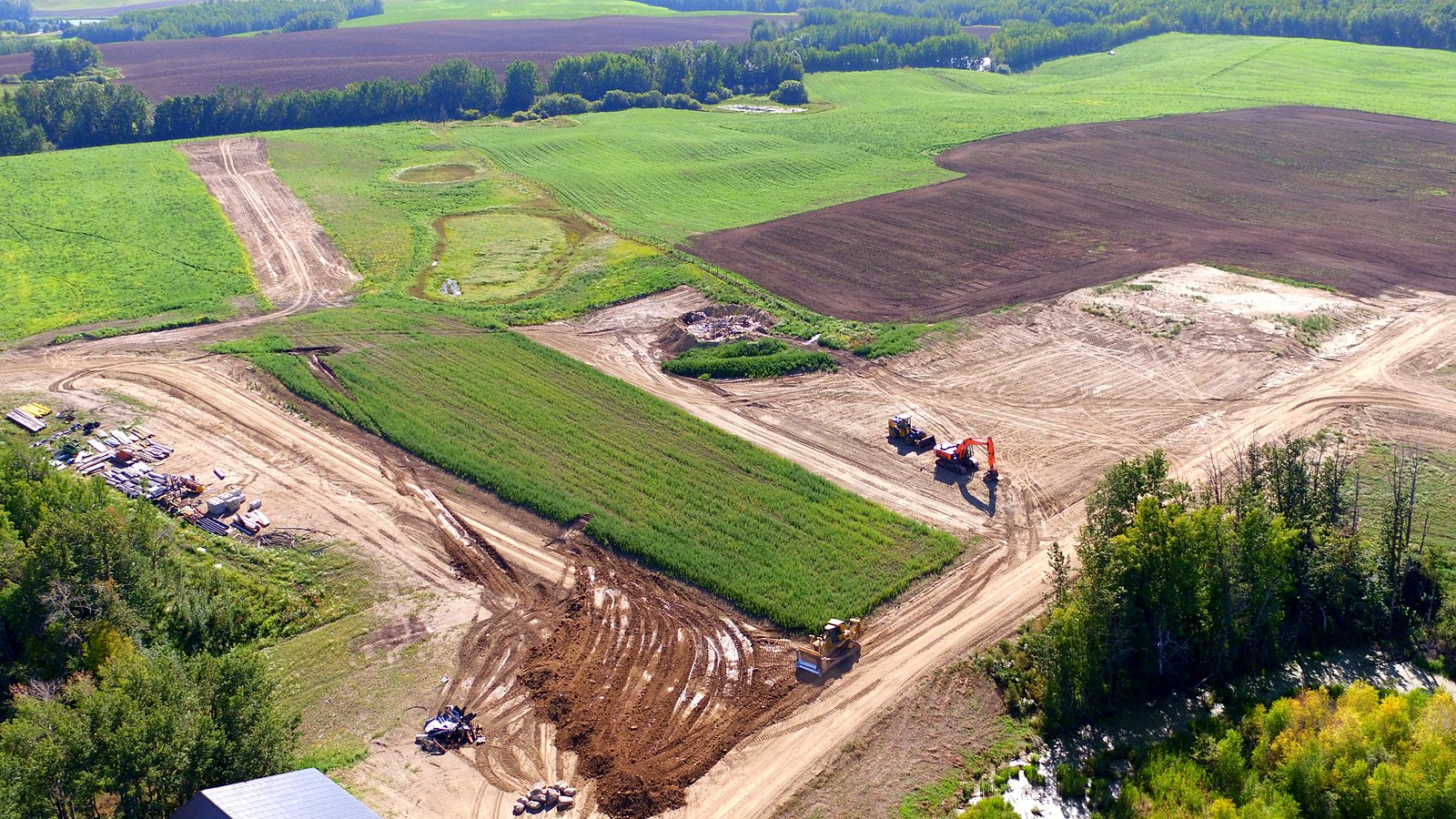
What this family works toward is a site with nobody on foot inside the machine's working envelope. What survives that is other mobile equipment: the truck backing in, the machine working alongside, at load-out and at staging.
So it starts with the ground rather than the screen. Haul routes, staging areas and load-out lanes are planned before any signalling here is relied on, in the plan that carries the machine's own no-go ground.
A driver is a fair audience for a display in a way somebody on foot never is. They hold control of their own machine and they are already watching for other traffic.
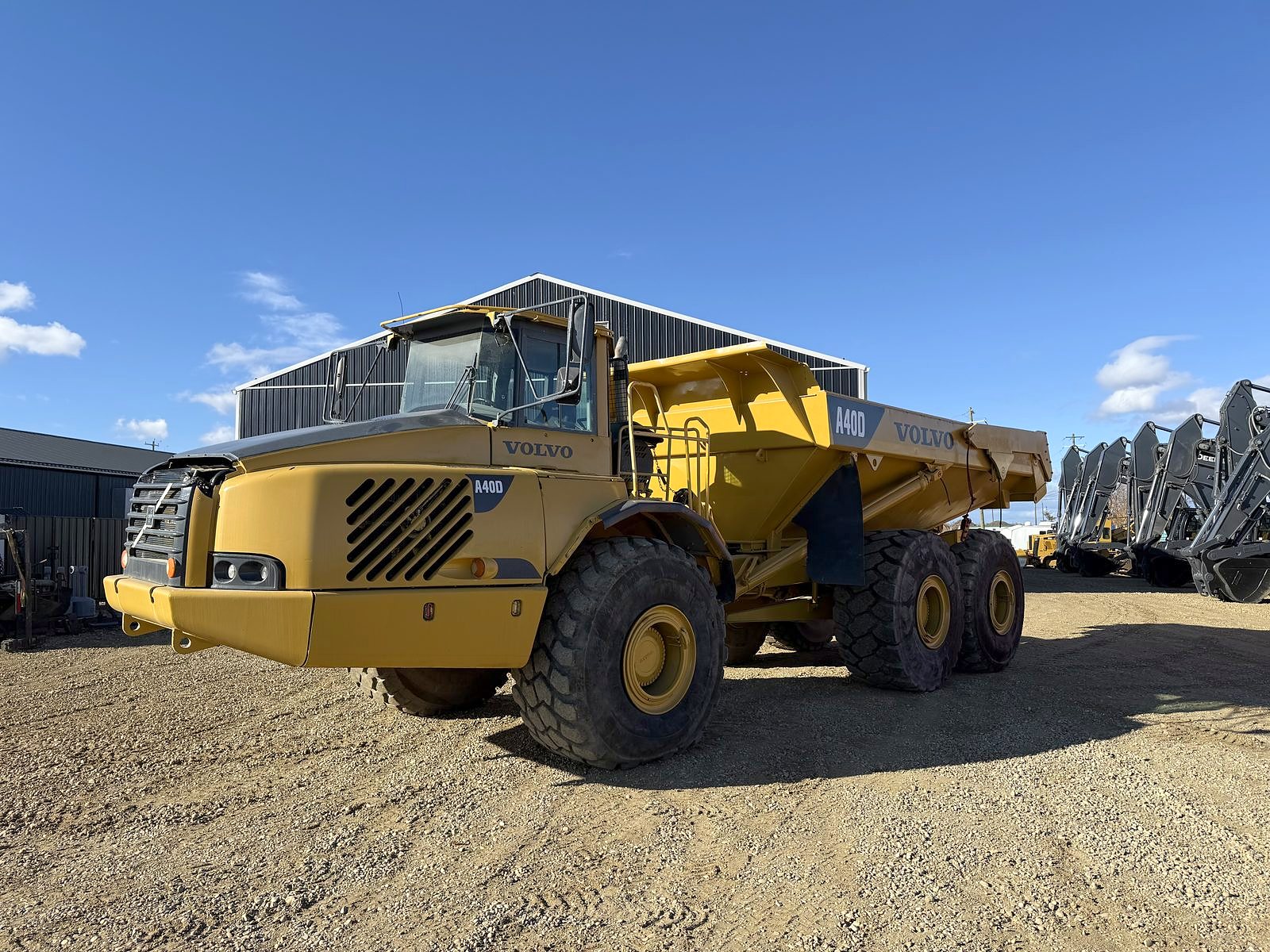
There is no green light in this family and there will not be one. A green light gets read as permission, and none of these tools knows where anybody is standing.
Five tools, designed as one set.
The same request, carried.
A handheld a person carries that asks a machine to stand down. A request, never an emergency stop. The button in the cab is designed to ask the same way.
STE Approach Intrusion SensingThe zone the machine watches.
Wired to the safety side. The planning side is designed with no path to switch it off, because no wire runs from one to the other.
STE SIGNALWhat the site reads.
Lights, sound and a swing-direction indicator, so a crew can read a machine with nobody in the seat.
STE SISThe unit on the roster.
The paperwork that makes a machine a member of the crew, accepted by a person's typed name.
Where this stands.
STE CAB is designed, specified and written down in full, and your safety people may read all of it. The three ways to take control away by hand are on the unit we have built, and we will demonstrate every one of them for you at our own Test Facility in Alberta. No assessment against ISO 13849 or ISO 17757, the standards we design against, has been performed. We would rather you read that here than find it out for yourself later. A person walks around the machine, completes the pre-start inspection, starts it and clears it for operation. Only then does Eddie engage the controls: every session, every machine, no exceptions. Eddie never starts, wakes or inspects a machine. A lost link is designed to leave the machine as it was and to show on the display that it was lost.
For the driver, the safety officer and the people who can say no.
It is designed to tell you what the machine is doing, never to tell you to move. You back in on your own judgement, as you would with a person in the other seat.
Advisory, and labelled so on every screen. A driver's judgement is informed by it and never replaced by it. The ground is planned first.
We claim the design and nothing past it. Your machine's warranty, its conformity and your liability position are for your counsel.