
Build the modules once.
Fit them to dozens of machines.
Steady Eddie's manufacturing philosophy is the opposite of bespoke machine engineering. A small number of standardized actuator and controller families are designed to be carried, largely unchanged, across dozens of different OEM machines. What changes per machine is deliberately small and deliberately cheap: a machine-specific FIT kit — mounting brackets, dock geometry, wired-tether harness, machine profile and calibration — engineered to that machine's stock human controls.
One module set, carried across a forty-four-product catalogue
Forty-four products define the catalogue — SE-X001 through SE-X044, spanning ten machine classes — from a 1928 Ford Model A to a 36-ton excavator, heavy dozers, row-crop tractors and rough-terrain telehandlers. All forty-four carry complete, released GOLD STANDARD engineering packs. FIELD TEST status across the catalogue: every SE unit runs on bench hardware at Steady Eddie today — none is yet installed on a customer machine in the field. Two design decisions repeat across every released pack.
The SE-X016 pack (Kubota SVL75-2 compact track loader) sets an explicit design target: at least 70% common active hardware with SE-X004 (Bobcat T770 compact track loader) — two different OEMs, one shared dual-joystick actuator set. The differences are pushed into the FIT kit and machine profile, not into new actuators. That is the design rule that keeps the module families standard across brands.
RULESPACE → CORE → SAFE → I/O → ACTUATORS → HOST MACHINE
Every released pack carries the same architecture diagram and the same discipline: final geometry confirmed against the machine itself, and an explicit first-motion speed cap on every product. One architecture across all forty-four released packs — one manufacturing architecture too: the same CORE and SAFE assemblies, the same actuator families, different dock geometry.
SE-X001 module-family part — documented in the drawing set; part photography pending
SE-X001 module-family part — documented in the drawing set; part photography pending
SE-X001 module-family part — documented in the drawing set; part photography pending
Module-family part numbers from SE-X001, the Heritage Model A engineering demonstrator — the parts the plant is tooled around. The tiles above are placeholder graphics, not photographs of the machined parts; part photography is pending.
Built in a plant.
Judged on ground like this.
A right-of-way from the air, pipe strung toward the horizon. The module families are designed to ship flat-packed to work like this and come back off the machine clean — hardware engineered for the field, not the showroom floor.
Real fleet, real ground — the working world SE targets.
Cranes, rig moves, pipe and cold
Decades of group fleet work — lifts, rig moves and pipe handling in every season. This is the duty environment the standardized module families and FIT kits are engineered to stand up to.
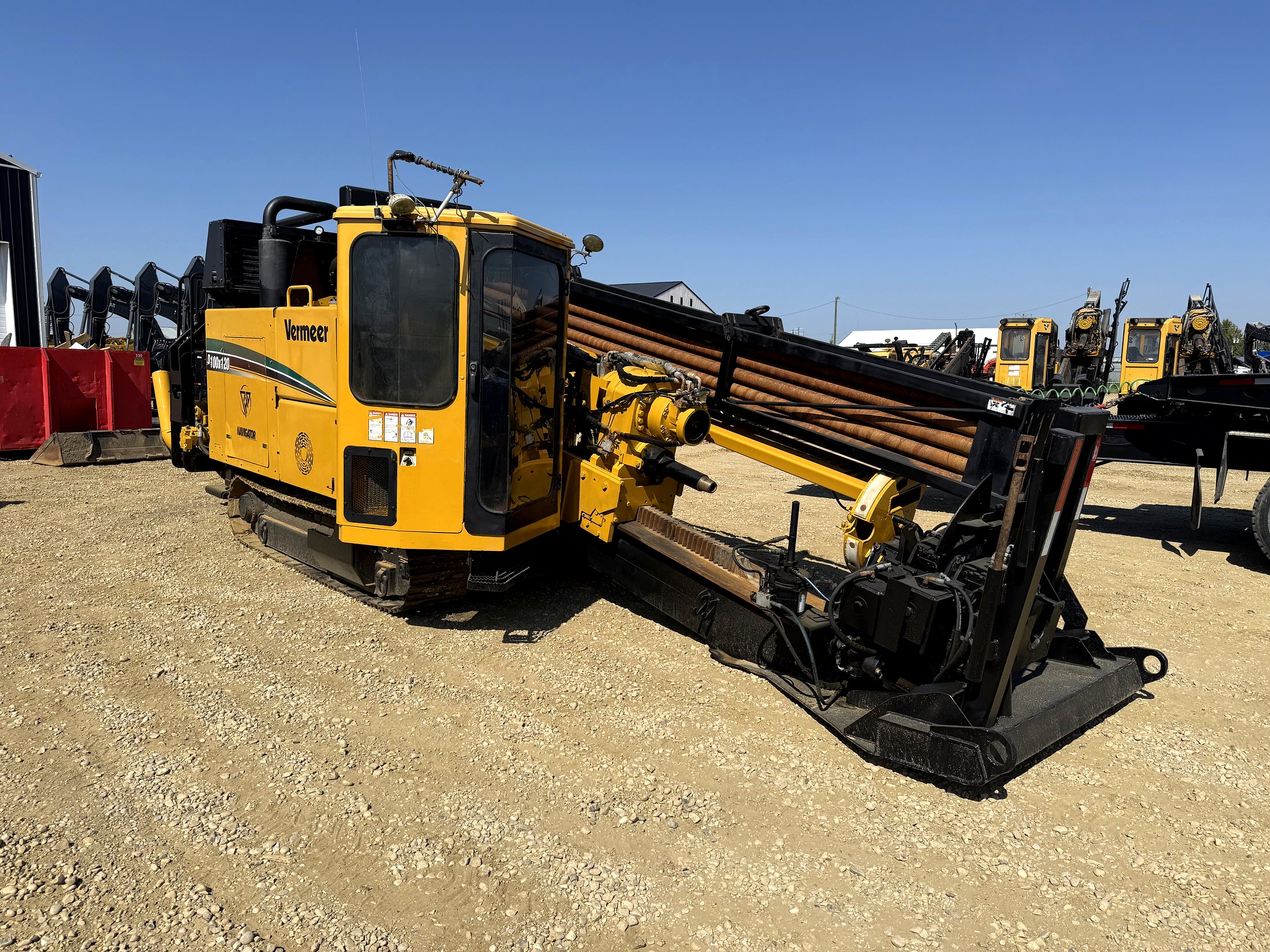
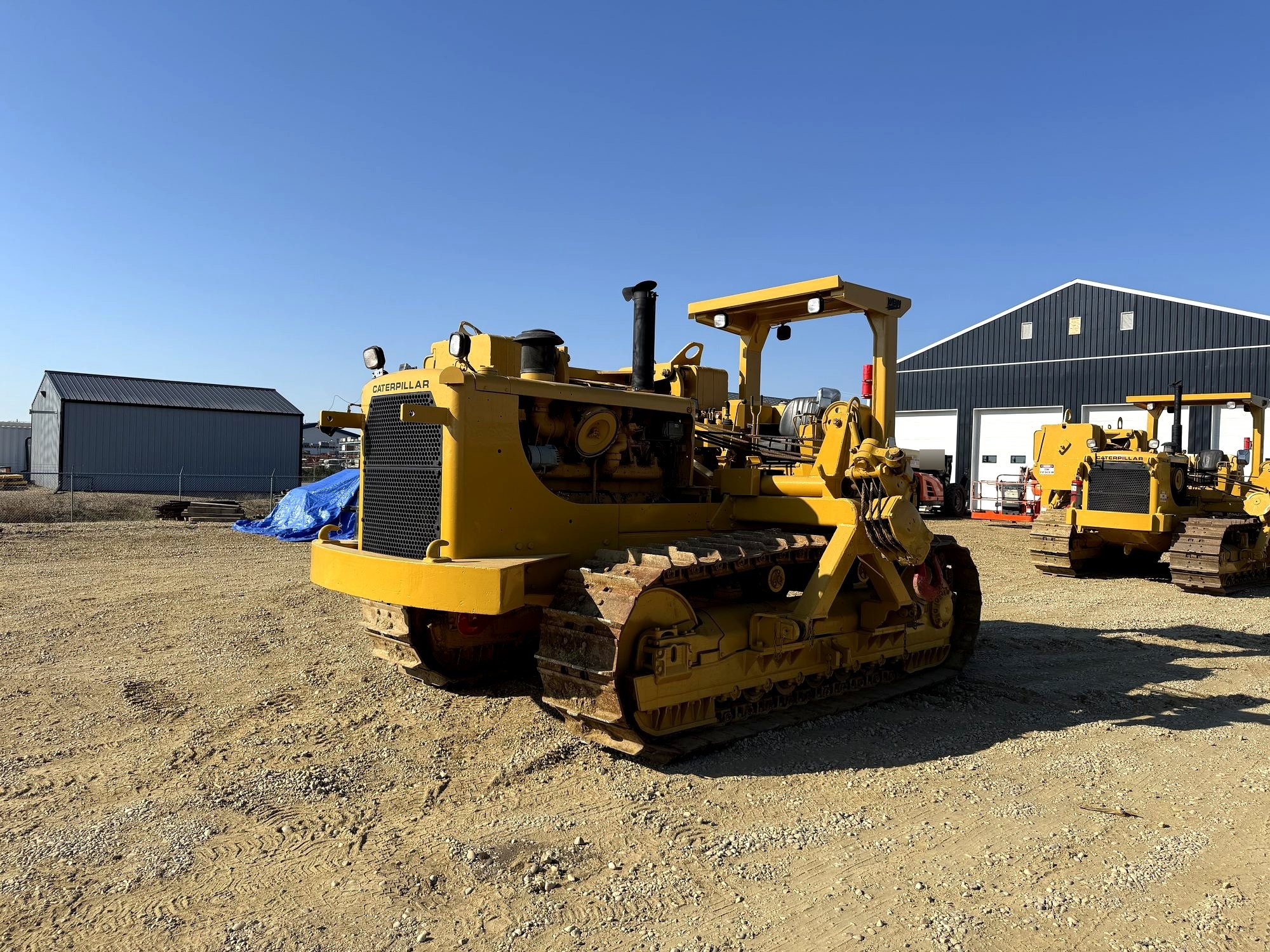
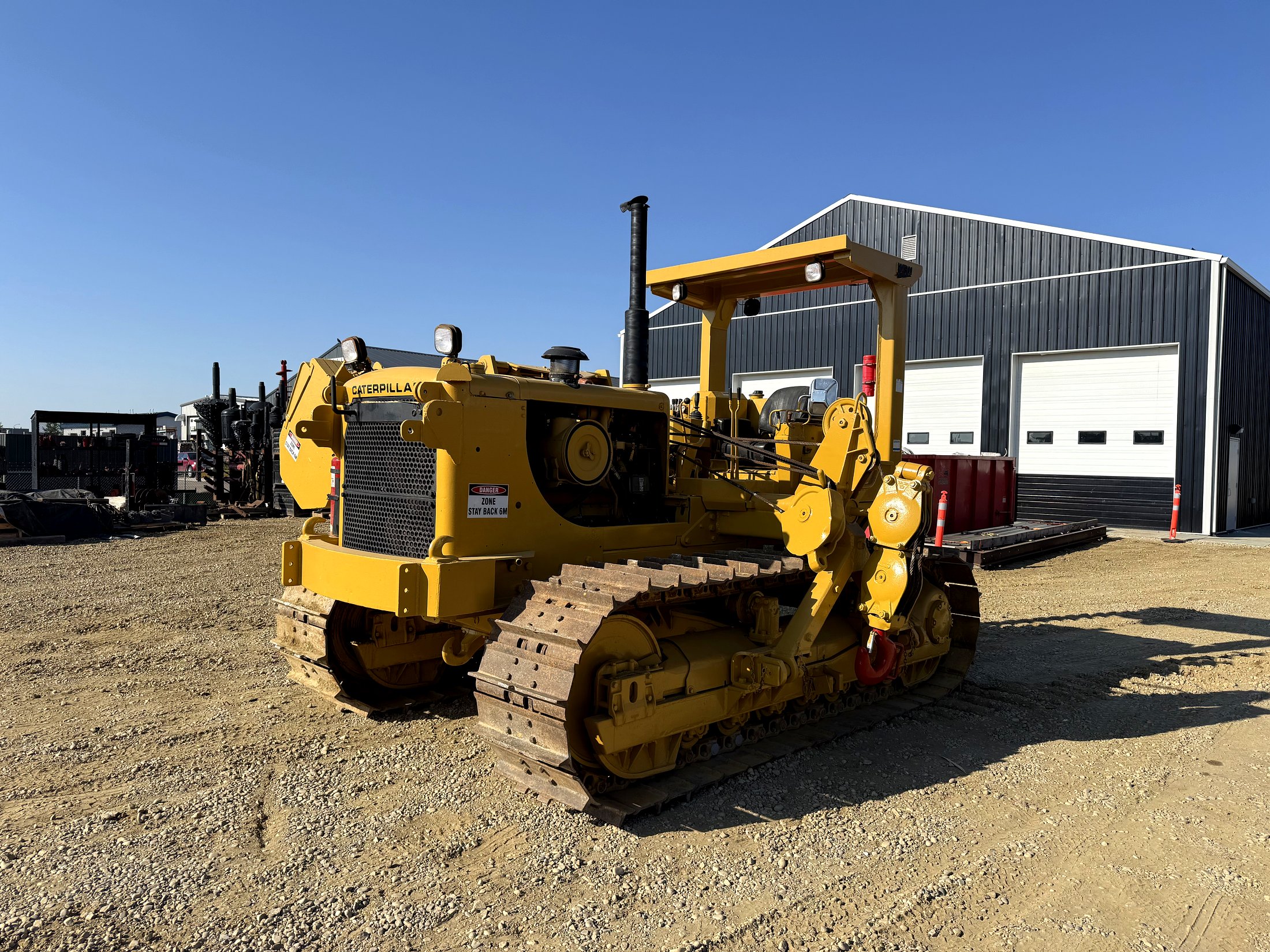
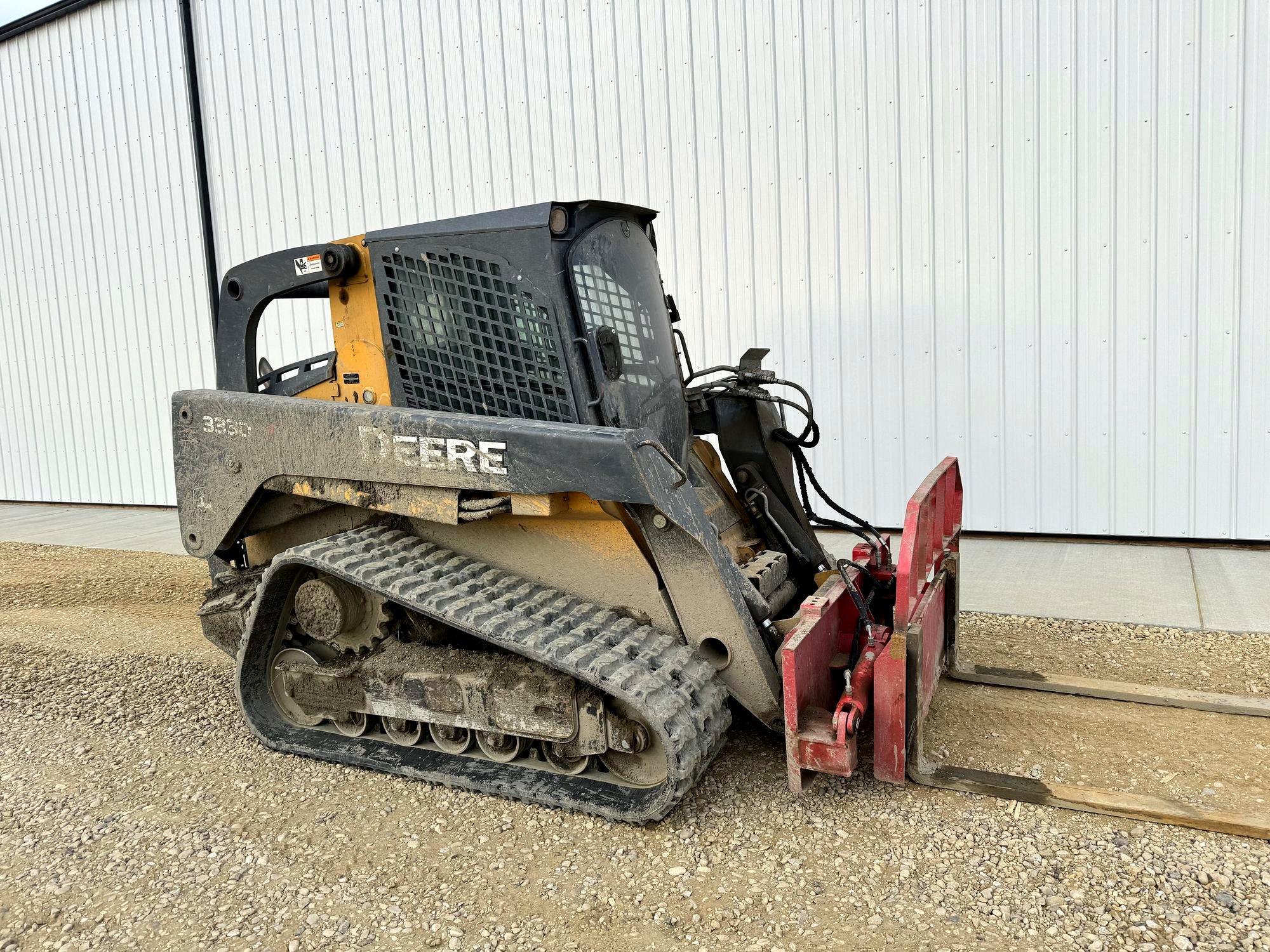
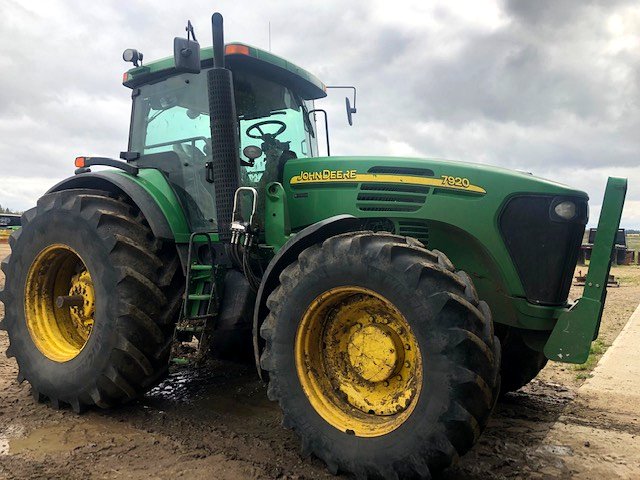
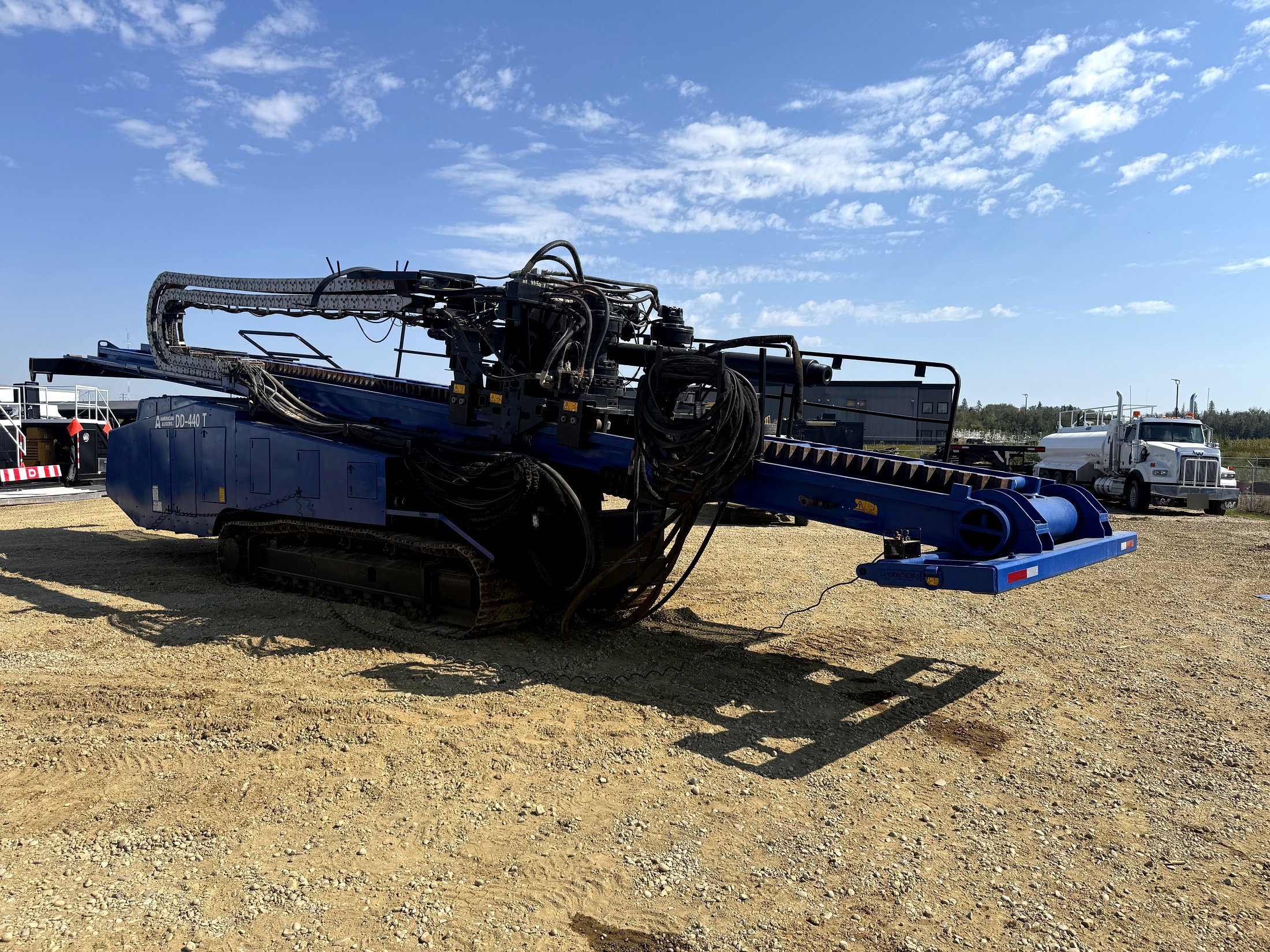
Real fleet, real ground — the environment SE is engineered for, shown as a working-world archive, not an installation record. None of these machines carry SE hardware.
RVF — full manufacturing plant
Steady Eddie's manufacturing home is RVF, a full manufacturing plant inside SIG — Sustainable Infrastructure Group. The plant is shared with Canadian Shield (CDNS), Steady Eddie's sister SIG division, on a site held by HTC, a fellow SIG group company. The two divisions share plant and process capability only — there is no technical dependency between their products. A 60,000 ft² hall, an in-house 5-axis machine shop, and a plasma, press and fabrication line under one roof: the machined-aluminium and fabricated-steel route the module families are built on.
Machined aluminium. Fabricated steel. Nothing exotic.
- Material
- Machined aluminium
- Use
- Precision module components — actuator bodies, plates, carriers and dock interfaces — cut in the in-house 5-axis shop.
- Boundary
- All precision structure in v1.
- Material
- Fabricated steel
- Use
- Brackets, frames, mating hardware and FIT-kit mounting — plasma-cut, pressed, welded and coated in the RVF fab shop.
- Boundary
- All fabricated structure and mounting in v1.
- Material
- rPET & carbon fibre cut from v1
- Use
- Neither ships in v1. Both were cut from the committed baseline, and moulding capex was cut with them — the fab-shop route builds everything v1 needs.
- Boundary
- Not in v1. Any future adoption follows its own test data and review.
Hard rule — no exceptions
No safety-chain component and no fatigue-duty part will ever be made from recycled material — in v1 or any revision after it. v1 ships machined aluminium and fabricated steel throughout. If recyclate ever enters the line, it stays confined to covers, packaging and jigs — never the parts that keep people safe.
Flat-pack out. Stock machine back.
Every Steady Eddie system is designed to ship as a bolt-together flat-pack kit and to come off the machine as cleanly as it went on. Install is modelled on mounting a two-way radio: lightweight mating hardware fastens to the machine and stays there; the valuable controller and actuator unit is a removable that clips into that cradle — and lifts out for 100% return to human control. The connection from the mating position back to the SE CORE is wired, not wireless: deterministic, low-latency, and free of any RF dependency for control.
Reversible-install philosophy
- A human starts the machine, every time — pre-start inspection and clearance are the operator's, on every package, before Eddie ever engages the controls. A mandatory rule, not a configurable option.
- RED MANUAL RELEASE on every actuator — one movement mechanically disconnects Eddie; the machine is instantly manual. No laptop, no reboot.
- Operator controls stay usable — a human in the seat can always work the machine's own controls.
- Full return to stock on removal — no residual modification beyond the radio-style mating bracket.
- No electronic tie-in, ever — install and removal never touch the machine's electronics: no CAN bus, no ECU, no firmware.
What ships, what stays
- Ships: bolt-together flat-pack kits — the standardized module families plus the machine-specific FIT kit.
- Stays on the machine between jobs: only the lightweight mating hardware. The core and actuators travel job to job.
- Wired tether between mating position and core is a hard architecture rule — it pairs with the RED MANUAL RELEASE and the reversible-install rules.
See the engineering the plant builds
Forty-four products — all forty-four with complete GOLD STANDARD engineering packs — define exactly what the module families must do on real OEM machines. One architecture, one plant, one rule.