
Autonomy without rewriting the machine.
Steady Eddie is a physical-autonomy division engineering AI, remote-control and autonomous systems that operate existing equipment the way an operator does — by physically working the machine's own stock controls. No OEM electronic integration, ever.
A standalone division of SIG
Steady Eddie is a standalone division of SIG — Sustainable Infrastructure Group — an established Western Canadian infrastructure group whose operating companies have run heavy equipment on real ground for thirty years. The division carries its own brand, its own engineering stack and its own mandate, backed by the group's plant, fleet experience and operating discipline. Canadian Shield (CDNS) is a sister division, not a parent and not a dependency: two separate brands, connected only by a deliberately narrow technical interface and complementary operations at the group's RVF manufacturing plant.
The heritage move
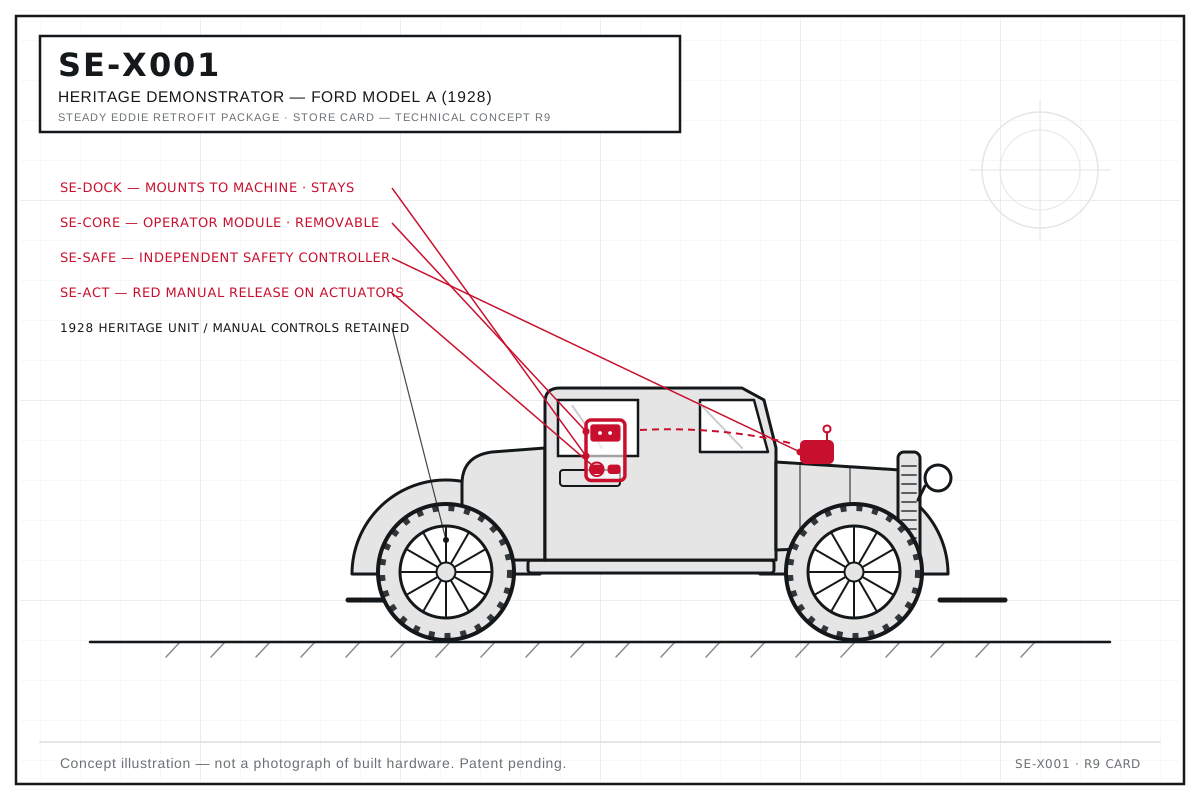
This is not a new idea dressed up — it is the oilpatch trick, done properly. Drilling crews used to put a mud bag on the seat to hold the presence switch down, and a stick on the auto-rig to hold the controls where they needed them. Steady Eddie is the same move — occupy the seat, work the stock controls — except the mud bag and the stick are replaced by an AI with cameras, actuators, and a written rule set.
Same relationship to the machine: the machine never knows the difference between Eddie and an operator. The human-machine interface is already the universal industrial API — humans have been the interoperability layer for a hundred years. Steady Eddie builds on that interface instead of replacing it.
Because it operates the controls a human would, not a proprietary electronic interface, the approach is not locked to one OEM, one machine class, or one control architecture — and it retrofits to machines already in service, including older equipment with no drive-by-wire capability at all.
Control the machine where the operator does.
Eddie physically drives the machine's existing levers, pedals, joysticks and switches — the same inputs a human makes, never a wire harness spliced into the OEM electronics.
Install the dock once. Deploy Eddie when required. Remove Eddie when not.
Three decades of iron
behind the idea.
A row of excavators staged in the yard, blue sky overhead. SIG's operating companies have run real machines on real ground for thirty years; Steady Eddie was chartered out of that working world, not out of a lab.
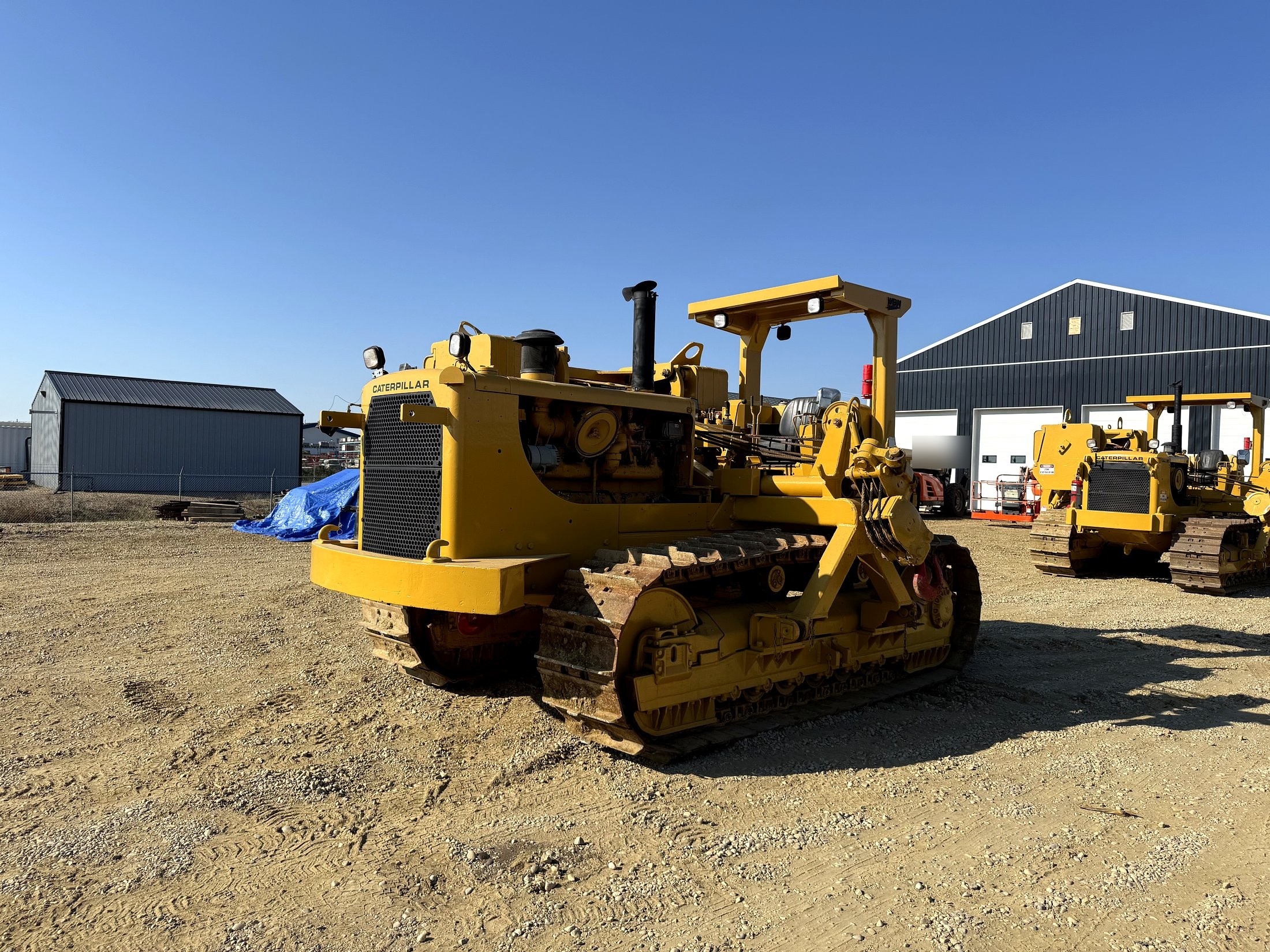
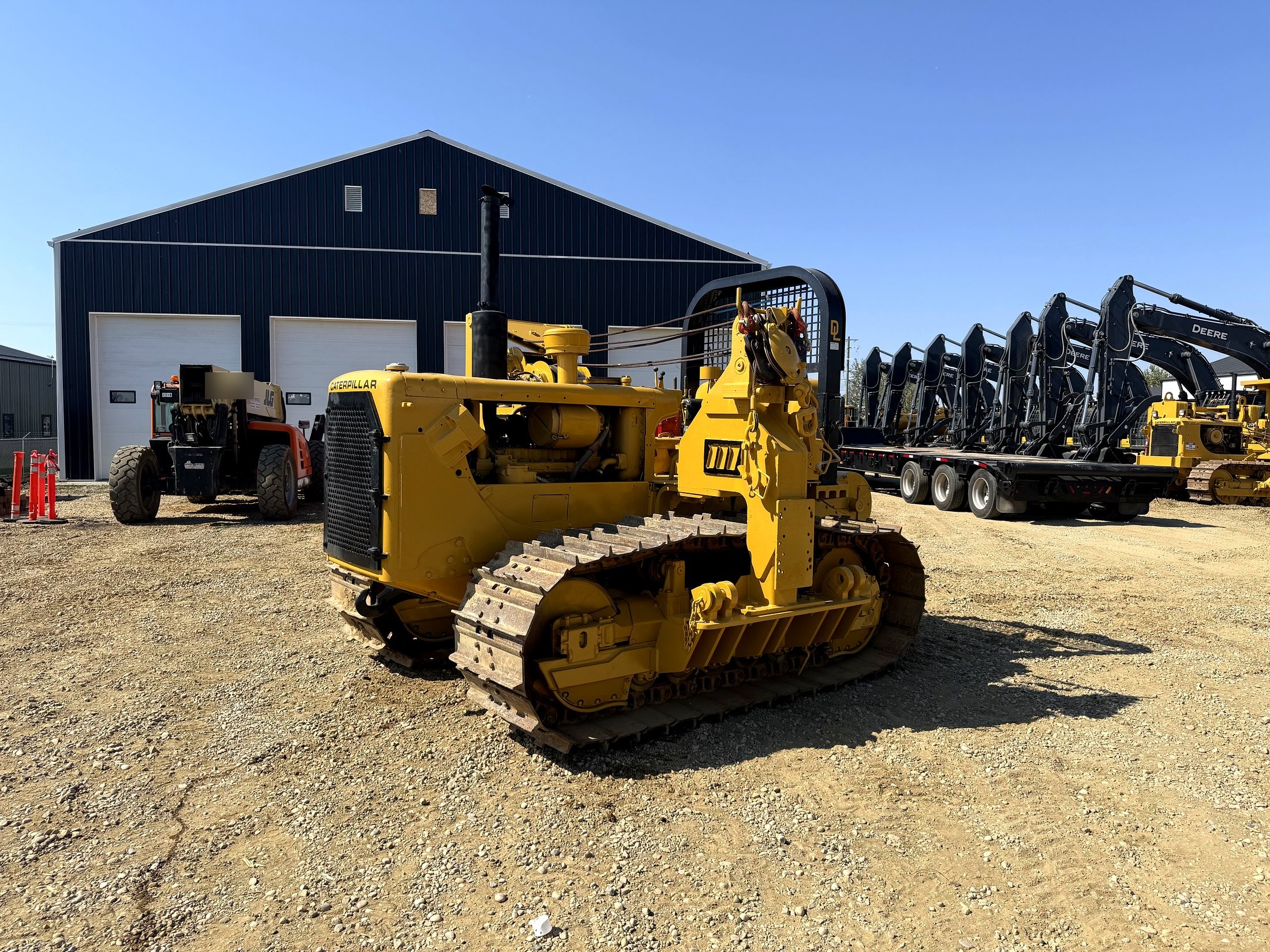
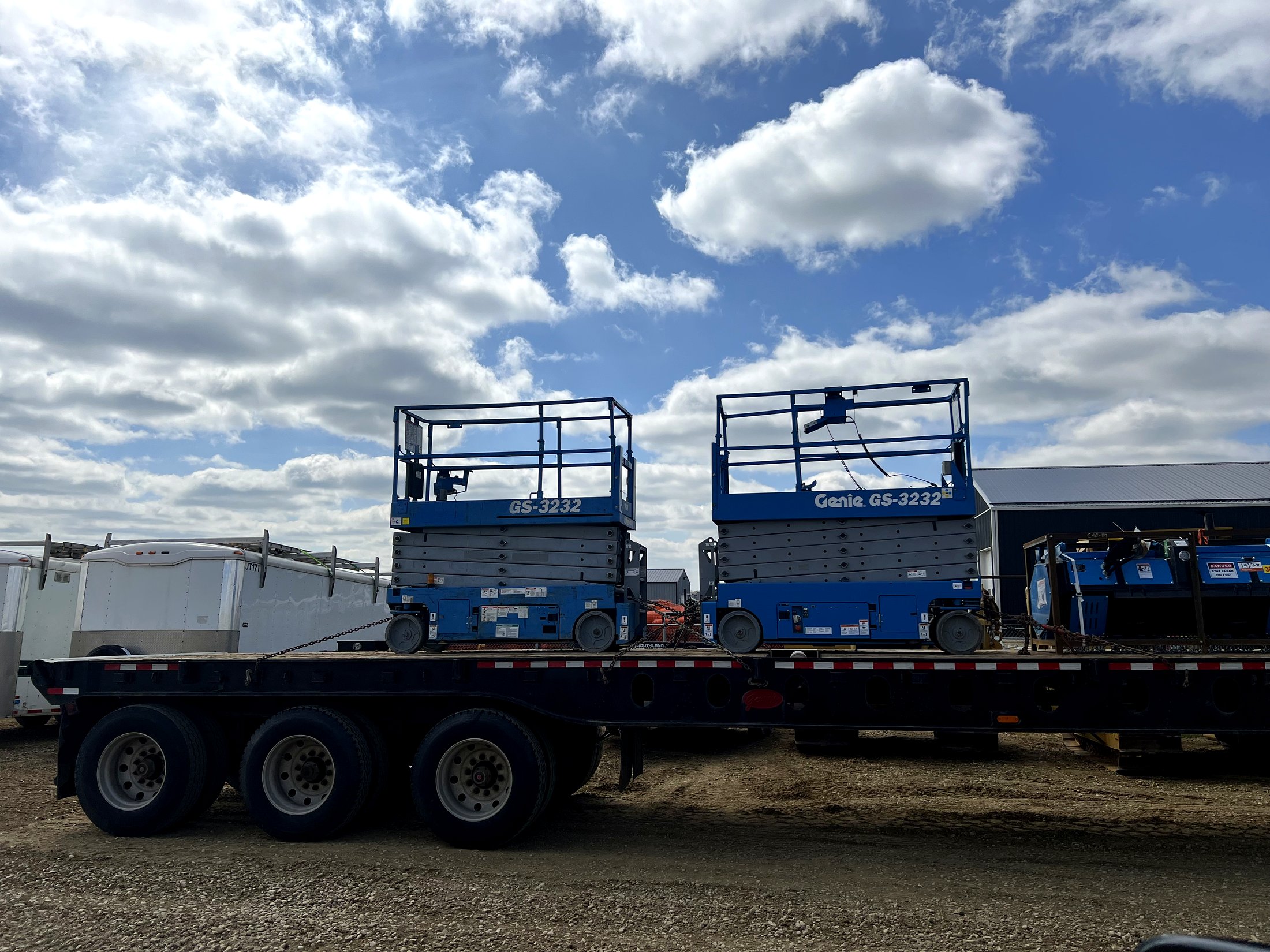
None of these machines carry Steady Eddie hardware; this is the working world the SE family is engineered for.
No OEM Integration. One Absolute Rule.
Eddie actuates the machine's stock human controls only. Zero CAN / ECU / PLC / firmware tie-in. Ever. This is a deliberate design constraint, locked in the division charter — not a limitation to work around later.
Independent Perception
Eddie's own cameras and sensors — nothing read from the machine's electronics.
AI Intent + Deterministic Bounded Control
The AI proposes; a rule-governed controller decides what is allowed, inside written bounds.
Standardized Actuators
Common actuator modules work the machine's own sticks, wheels, pedals and levers.
Independent SE SAFE
A separate safety layer with veto over everything below it — not all on one computer.
CONTROL AUTHORITY — IN ORDER, ALWAYS
- Hardwired SafetyE-stops and machine-level safety, above everything
- Local HumanA person at the machine
- Authorized Remote OperatorTeleoperation under authorization
- Deterministic ControllerBounded, rule-governed control
- AI PlannerLast in line — it proposes, it never overrides
What physical actuation buys you
Physical actuation of the stock controls removes the per-brand, per-model-year electronic dependency. There is no OEM software to license, decode or negotiate access to, and the machine stays as the manufacturer built it. Warranty, product-liability and functional-safety questions are assessed per machine and per jurisdiction — the same discipline, product by product, market by market.
No electronic tie-in, ever
Eddie never connects to the manufacturer's computers or control systems — no CAN bus, no ECU, no firmware. The machine's electronics are simply not involved, on any product, on any machine.
Per machine, per jurisdiction
Warranty, product-liability, functional-safety and certification are worked machine by machine and jurisdiction by jurisdiction — never by blanket claim.
Rules govern the AI
AI plans. Rules govern. Humans authorize. Safety has veto. Control authority runs hardwired safety first and the AI planner last.
Reversible by design
A manual release on every actuator and reversible installation are architecture doctrine — the machine remains a machine an operator can take back.
Steady. Precise. Reliable.
The system runs today on bench and lab hardware at Steady Eddie — all 44 products in the catalogue are built and operating on the bench, all 44 with full engineering documentation complete and released. Field deployment on working fleets is the next step. Enquiries is the front door: tell us what you run, discuss the approach, and register interest in the products you would deploy first.